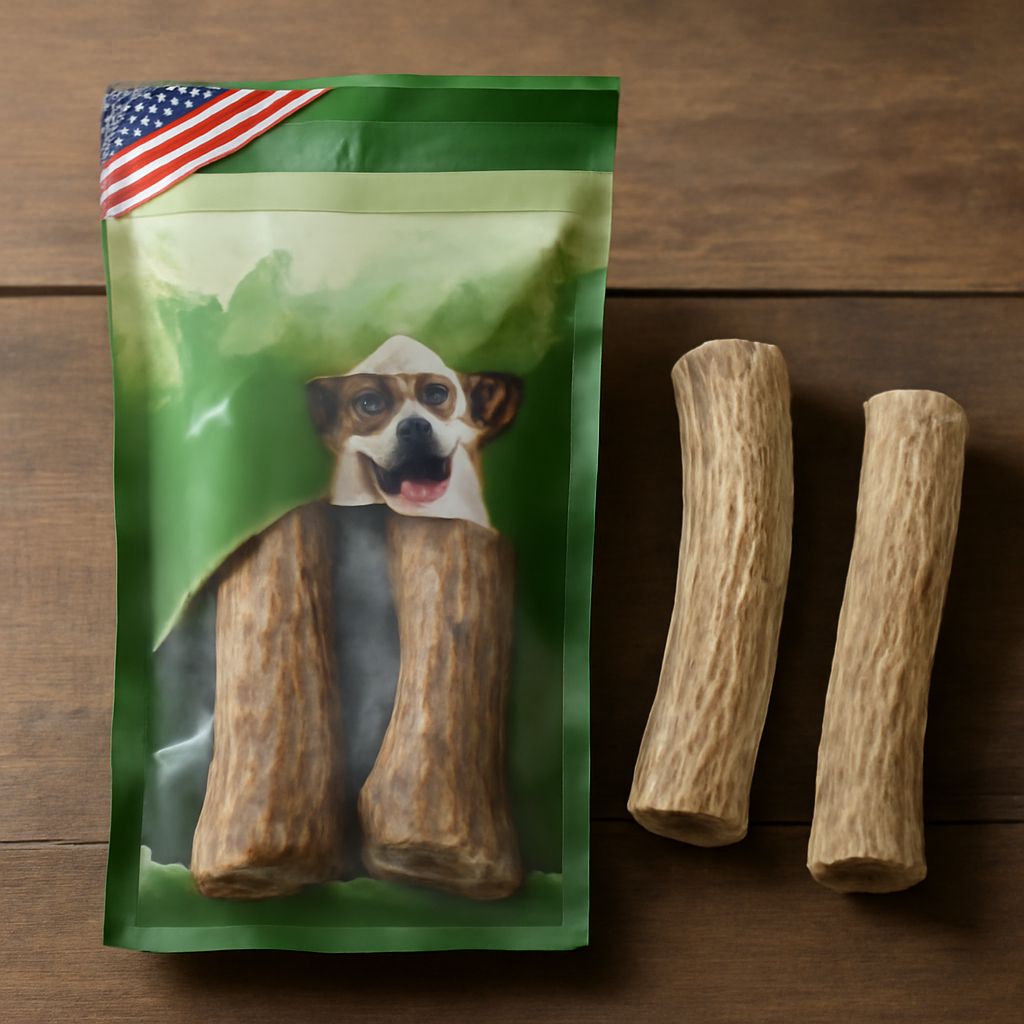
Many pet owners are turning to dog antlers as a preferred chew option for their furry companions. However, there are myths surrounding their benefits and safety. Unlike other chew toys, dog antler chews are natural and durable, making them an appealing choice for dogs who love to gnaw. But what about the concerns related to deer antler dog chews potentially harming your pet’s teeth or health?
Despite some misconceptions, when selected appropriately, dog antler chews are an excellent option for satisfying your pet’s chewing instincts while promoting dental health. Let’s explore the benefits, how to choose the right type, and address concerns, such as the risks of acepromazine dog overdose, often confused with antler safety issues.
What Are Dog Antler Chews and Why Are They Popular?
Benefits of Dog Antler Chews
Dog antler chews provide a long-lasting solution to your pet’s chewing needs. Unlike synthetic toys, antlers are organic and free from harmful chemicals. They help in scraping away plaque from your dog’s teeth, thus contributing to better oral hygiene.
Moreover, these chews are rich in minerals such as calcium and phosphorus, essential for your pet’s overall health. Chewing on antlers can also relieve stress and anxiety in dogs, providing a healthy outlet for their natural behaviors.
Types of Dog Antlers Available
There are several types of antlers available on the market, including deer, elk, and moose antlers. Each type offers different textures and densities. Deer antler dog chews, for instance, are harder and more suitable for aggressive chewers, while elk antlers are softer and better for less intense chewers.
Choosing the right antler type depends on your dog’s chewing habits and size. Always ensure the antler is large enough to prevent swallowing and that it matches your dog’s chewing strength to avoid splintering.
How to Choose the Right Dog Antler Chew
Factors to Consider
When selecting a dog antler, consider your pet’s size, chewing intensity, and preference. It is essential to choose an antler that is larger than your dog’s mouth to prevent choking hazards. Avoid antlers that are too hard, as they might cause dental damage for some dogs.
Observe your dog’s chewing habits. If they are new to antlers, it might be best to start with a softer type, such as elk antlers, and then move to harder options like deer antler chews as they become accustomed.
Safety Tips for Dog Antler Chews
Regularly inspect the antler for sharp edges or splintering and remove the antler once it becomes small enough to pose a swallowing risk. It’s crucial to supervise your pet during chewing sessions to ensure they do not bite off large chunks.
If you’re uncertain about the suitability of antlers for your dog, consult with a veterinarian. They can provide individualized advice, especially for pets with specific dental concerns or medical conditions.
Are There Risks of Acepromazine Dog Overdose?
Understanding Acepromazine
Acepromazine is a sedative commonly used to calm anxious or aggressive dogs. While it is effective, it must be used carefully to avoid overdose, which is not related to antler chews but is a concern for pet owners managing their dog’s anxiety with medication.
Signs of Overdose
Symptoms of acepromazine overdose include sedation, confusion, or loss of balance. In severe cases, it may lead to respiratory issues or cardiovascular problems. If you suspect an overdose, seek veterinary care immediately.
Proper dosing and monitoring of acepromazine are essential. Always follow your veterinarian’s guidance when using any sedative or medication for your pet, and remember that natural solutions like dog antler chews can also help reduce stress without medicinal side effects.