Many believe dogs are resilient and can withstand discomfort with ease. However, this is far from the truth. Dogs, much like humans, experience a wide range of ailments and discomforts. It is critical for dog owners to recognize when their beloved pets are sick or in pain. Identifying signs such as dog panting pain and understanding what actions to take if your dog is suffering is essential for ensuring their well-being.
When your dog is sick, you might be tempted to think it’s just a passing phase. Yet, ignoring these symptoms could be detrimental. Knowing how to detect dog signs of pain and address the situation effectively can make a significant difference in your pet’s life. If you ever find yourself pondering, “My dog is in pain,” it’s crucial to act promptly and consult a veterinarian for guidance.
What Are the Common Signs If a Dog is Sick?
Behavioral Changes in a Sick Dog
When a dog is ill, its behavior often shifts noticeably. You may observe lethargy or a decrease in activity levels. Dogs that are usually energetic might become inactive or withdrawn. Such deviations in behavior can indicate underlying health issues.
Physical Symptoms to Watch For
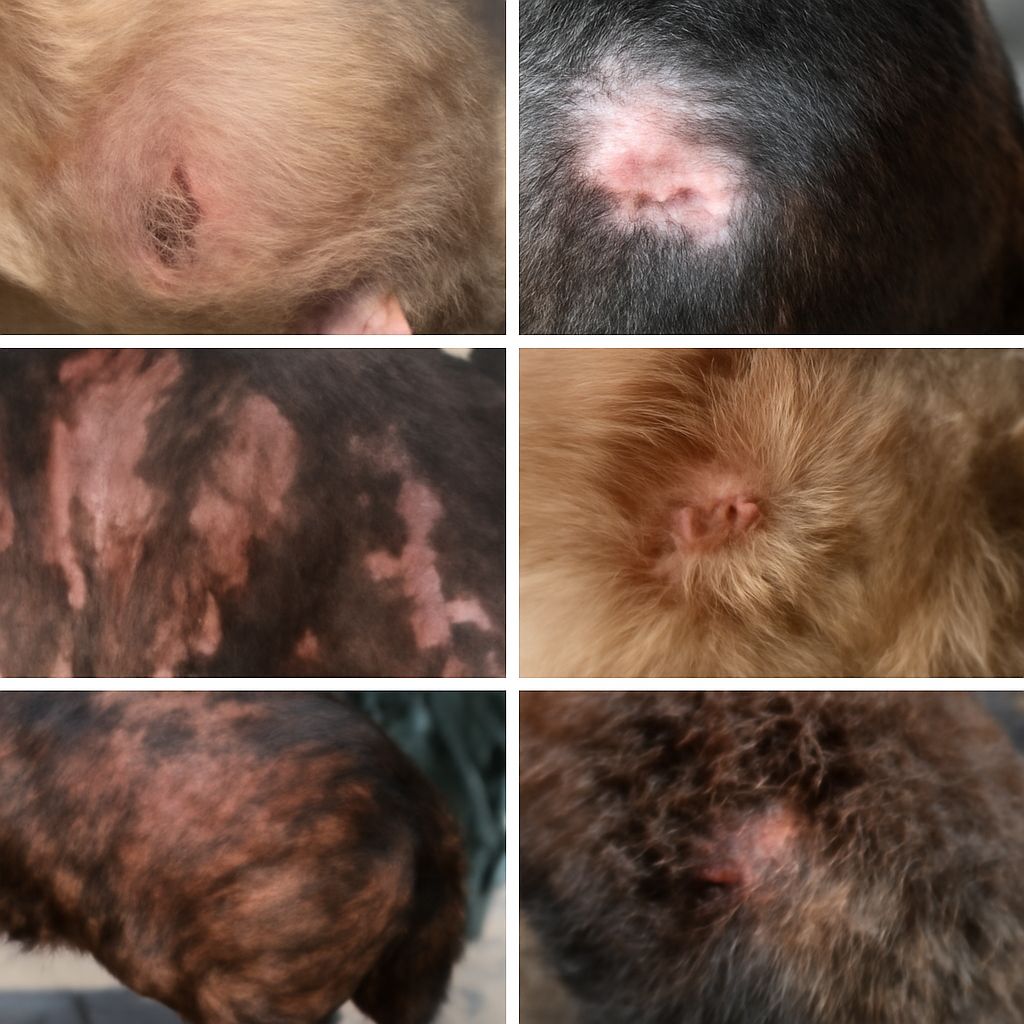
Physical signs are equally important when assessing whether a dog is sick. Vomiting, diarrhea, and loss of appetite are among the most common indicators of illness. Additionally, changes in weight and coat condition can signal health problems. Always monitor these symptoms closely to ensure your dog receives the care it needs.
How to Recognize Dog Signs of Pain?
Identifying Acute and Chronic Pain in Dogs
Pain in dogs can be acute or chronic. Acute pain often manifests suddenly, with dogs showing signs of distress such as whining or excessive licking of a particular area. Chronic pain might be subtler, presenting as persistent limping or reluctance to move. Recognizing these signs early can help prevent further complications.
Understanding Dog Panting Pain
Panting is normal for dogs, especially after physical activity or in warm weather. However, excessive panting can be a sign of pain or distress. If your dog is panting heavily without an obvious reason, it may require a closer examination to rule out issues like heatstroke or respiratory problems.
What Should I Do if My Dog is in Pain?
Immediate Steps to Take
If you notice your dog is in pain, the first step is to ensure they are comfortable and calm. Avoid any actions that could exacerbate the discomfort. Observing your pet for any specific signs or triggers can help pinpoint the issue.
When to Consult a Veterinarian
It is essential to consult a veterinarian if your dog’s pain persists or worsens. While minor aches can occasionally be managed at home, severe or enduring pain requires professional attention. A licensed veterinarian can provide an accurate diagnosis and recommend appropriate treatment options, ensuring your dog’s health and comfort.
Bottom Line
Recognizing when your dog is sick or in pain is crucial for their health. Understanding signs like dog panting pain and knowing when to seek veterinary advice can prevent unnecessary suffering. Always prioritize your dog’s well-being by staying vigilant and proactive in addressing their needs.