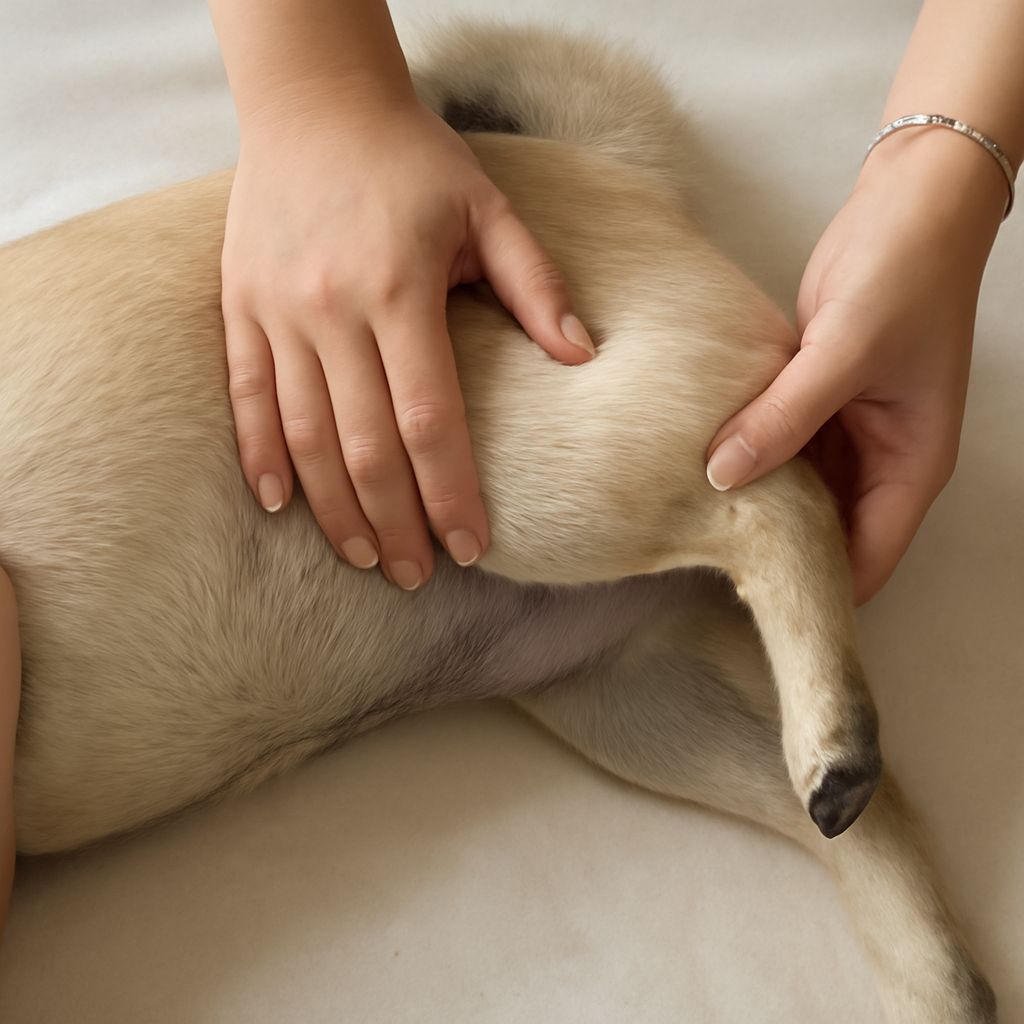
Many pet owners ponder whether neutering a dog calms them down. The idea that altering a dog’s reproductive capabilities can significantly influence its behavior is widespread. This topic often leads to questions like, “Does neutering a dog make it less aggressive?” and “What does neutering do to a dog’s temperament?” Let’s delve into these common beliefs and explore the science behind neutering.
Neutering is frequently recommended to improve a dog’s behavior. However, understanding how long after neutering does behavior change in dogs is crucial. This exploration will outline how neutering might affect your pet’s demeanor, including the pros and cons of fixing a male dog.
How Does Neutering Affect a Dog’s Behavior?
Neutering involves the surgical removal of a male dog’s testicles, which significantly reduces the production of testosterone. This hormone influences many behavior traits, including aggression and roaming. By lowering testosterone levels, neutering may help reduce unwanted behaviors associated with mating instincts.
While neutering can lead to a calmer demeanor, it’s not a guaranteed solution for all behavioral issues. Environmental factors, training, and individual personality traits also play roles in shaping a dog’s behavior. Neutering should be viewed as one component of a comprehensive approach to behavior management.
Does Neutering a Dog Make It Less Aggressive?
The link between neutering and reducing aggression in dogs can vary. Some studies suggest that neutered dogs may show a decrease in certain aggressive behaviors. The reduction in testosterone can lead to less dominance-driven aggression and fewer instances of roaming and marking.
However, aggression in dogs is influenced by multiple factors beyond hormonal changes. Genetics, training, and socialization all contribute to a dog’s tendency to act aggressively. Neutering should not be relied upon as the sole method to address aggression. Consulting a licensed dog behaviorist can provide additional strategies to manage aggressive behaviors.
How Long After Neutering Does Behavior Change in a Dog?
Behavioral changes following neutering do not occur immediately. It may take several weeks to months before noticeable differences appear, as hormone levels gradually decrease. During this period, owners might observe a gradual reduction in certain behaviors like excessive barking, mounting, and aggression.
Patience is key when observing post-neutering behavior changes. Consistent training and reinforcement of desirable behaviors during this time can enhance the benefits of neutering. If behavior issues persist beyond a reasonable adjustment period, consulting a professional trainer is advisable.
What Does Neutering Do to a Dog’s Temperament?
Neutering can have a positive impact on a dog’s temperament by reducing stress and frustration associated with unfulfilled mating urges. A calmer, more relaxed dog is often the result. However, temperament is a complex interplay of genetics, upbringing, and environment, and neutering is a single facet of this dynamic.
While neutering potentially reduces some undesirable behaviors, it does not alter a dog’s fundamental disposition. Dogs with naturally high energy levels or specific breed traits may continue to display these behaviors post-neutering.
Pros and Cons of Fixing a Male Dog
Weighing the pros and cons of neutering is essential for every dog owner. On the positive side, neutering can reduce the risk of certain cancers and decrease the likelihood of unwanted litters. Additionally, it can contribute to a reduction in certain behavioral issues, such as aggression and roaming.
Conversely, there are potential downsides to consider. Neutering can lead to weight gain due to reduced metabolism and may contribute to joint disorders if performed too early. It’s vital to discuss the timing and implications with your veterinarian to make an informed decision about your pet’s health.
Safety Recap: Neutering is a surgical procedure that requires veterinary care. Ensure post-operative care is followed to prevent complications. For behavior adjustments beyond neutering, professional guidance is recommended.