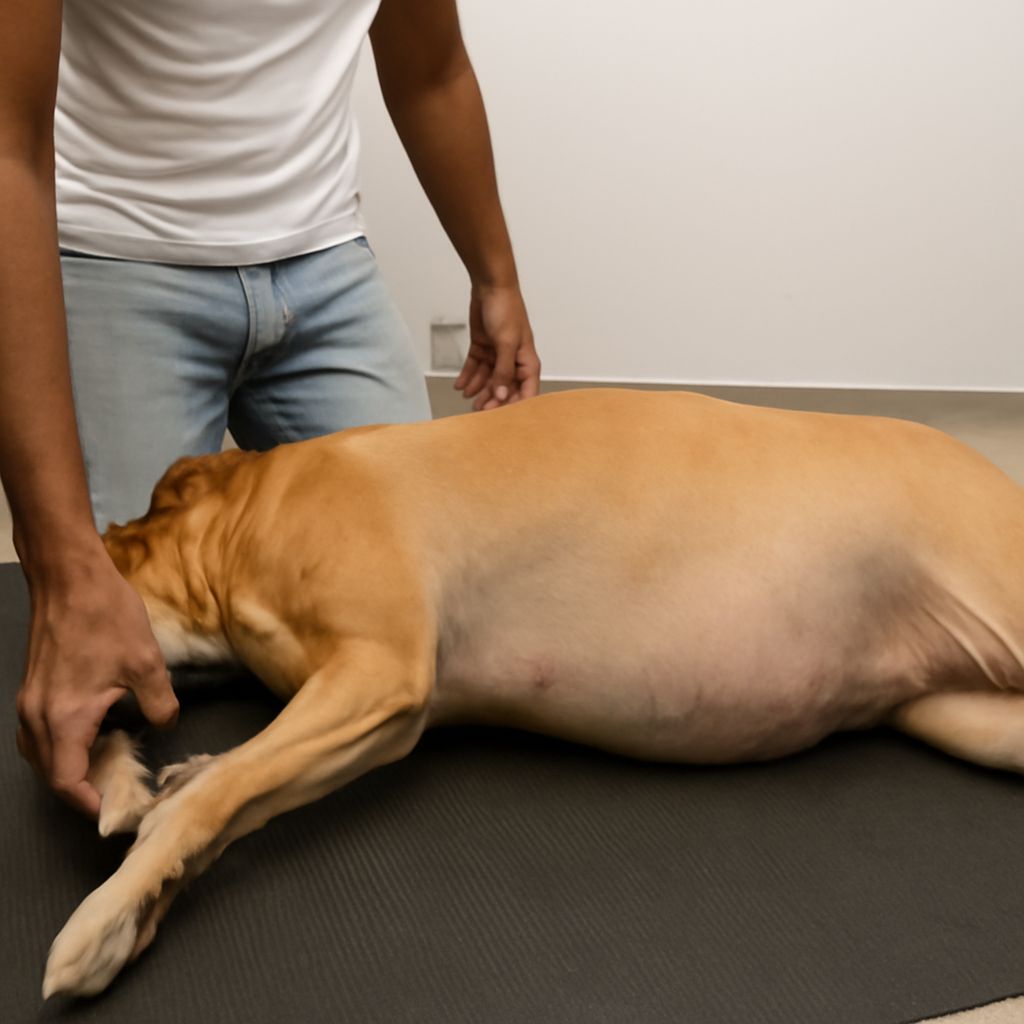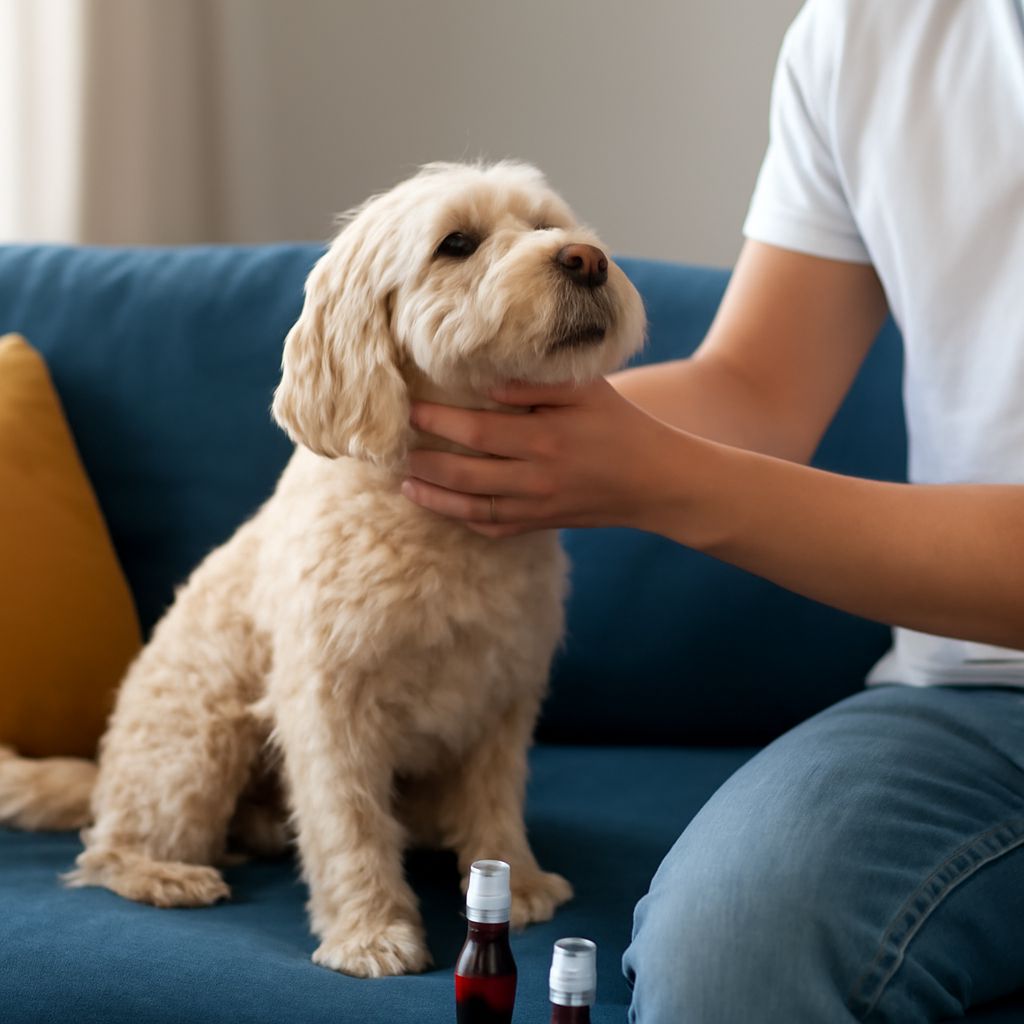
The use of hydrogen peroxide in dogs is often surrounded by misconceptions. Many pet owners believe it’s universally safe and effective for inducing vomiting in dogs, but this isn’t always the case. It’s crucial to understand not only when and how hydrogen peroxide can help but also its potential side effects. Using hydrogen peroxide incorrectly can lead to unintended health issues for your furry friend. Thus, dog hydrogen peroxide use should be considered carefully, especially if your dog doesn’t vomit as expected.
Before reaching for that brown bottle, it’s important to explore all facets of this common household solution. The question is not just about how to make a dog throw up without hydrogen peroxide, but also understanding what steps to take if your dog does not respond to it as anticipated. Let’s delve into the appropriate usage and alternatives to ensure your dog’s health and safety.
Why Use Hydrogen Peroxide for Dogs?
Common Situations Requiring Hydrogen Peroxide
Owners might resort to hydrogen peroxide in cases where a dog has ingested something potentially toxic. The goal is to induce vomiting to prevent the substance from being absorbed into the bloodstream. Common scenarios include the ingestion of chocolate, certain plants, or medications.
How Hydrogen Peroxide Works in Dogs
Hydrogen peroxide works by irritating the dog’s stomach lining, prompting them to vomit. This method can be a lifesaver when executed correctly and under the guidance of a veterinary professional. The key is timing and knowing that not every situation warrants such an intervention.
How to Administer Dog Hydrogen Peroxide Safely
Dosage Guidelines
The appropriate dosage of hydrogen peroxide for dogs is typically 1 teaspoon per 5 pounds of body weight. However, it’s imperative to consult a veterinarian to confirm the correct dose for your specific pet. Overdosing can lead to severe health issues, so precision is critical.
Steps to Follow
To safely administer hydrogen peroxide, use a syringe or a turkey baster to place the liquid in the dog’s mouth. Ensure that your dog remains calm during the process. Following administration, it may take up to 15 minutes for vomiting to occur. If your pet does not vomit, do not administer a second dose without professional advice.
Side Effects of Giving Dog Hydrogen Peroxide
Immediate Reactions
Some dogs may experience immediate side effects such as bloating, drooling, or lethargy. These symptoms can be alarming but are often temporary. Monitor your pet closely and seek veterinary assistance if symptoms persist or worsen.
Long-term Concerns
Frequent use of hydrogen peroxide can damage the esophagus or stomach lining. Chronic exposure may lead to ulceration or other gastrointestinal issues. These potential risks underscore the importance of using this method sparingly and only when absolutely necessary.
Alternatives: How to Make a Dog Throw Up Without Hydrogen Peroxide
In situations where hydrogen peroxide is not ideal, alternative methods can be considered. Veterinary professionals might recommend other means such as veterinary-prescribed emetics or a visit to the clinic for safe induction of vomiting. Avoid using salt or mustard as alternatives, as they can be harmful.
What to Do If I Gave My Dog Hydrogen Peroxide and He Didn’t Vomit
If your dog fails to vomit after being given hydrogen peroxide, it’s crucial to contact a veterinarian immediately. Do not attempt to provide additional doses without professional guidance. The vet may have other recommendations or may need to assess and treat your dog in person to ensure their safety and health.