German dog commands have maintained their popularity in obedience training well beyond German Shepherd circles — the crisp, single-syllable nature of words like “Sitz,” “Platz,” and “Fuss” makes them distinctly audible in noisy training environments. A small dog harness addresses a genuine safety gap that collars leave open for small breeds prone to tracheal collapse, distributing pressure across the chest rather than the throat. Freeze dried dog treats have become the high-value reward of choice for many trainers because the freeze-drying process preserves protein content and palatability without refrigeration. A dog nail file offers a gradual, low-stress alternative to clippers for dogs that react poorly to the snapping sensation of nail trimming. Homemade dog breath freshener recipes fill the gap for owners who prefer to avoid commercial dental products with artificial ingredients or preservatives.
German Dog Commands: Core Vocabulary and Application
Essential Commands and Their Meanings
The most commonly used German obedience commands include Sitz (sit), Platz (down), Bleib (stay), Hier (come), Fuss (heel), and Aus (release). Using German commands creates a clear vocabulary boundary — the dog learns these words exclusively as commands, reducing confusion from casual conversational English that contains similar sounds. Dogs trained with German command vocabulary are not inherently more obedient; the consistency and clarity of the trainer matters more than the language used.
Introducing German Commands Effectively Pair each German command word with the behavior using positive reinforcement — mark the correct behavior with a clicker or verbal marker, then reward with a freeze-dried meat treat that motivates the dog reliably. Introduce one command at a time and practice in low-distraction environments before proofing the behavior in challenging settings. Consistency in pronunciation is critical — the dog learns the specific phonetic pattern, not the meaning, so variations in how the word sounds will slow learning.
Small Dog Harness Selection and Fit
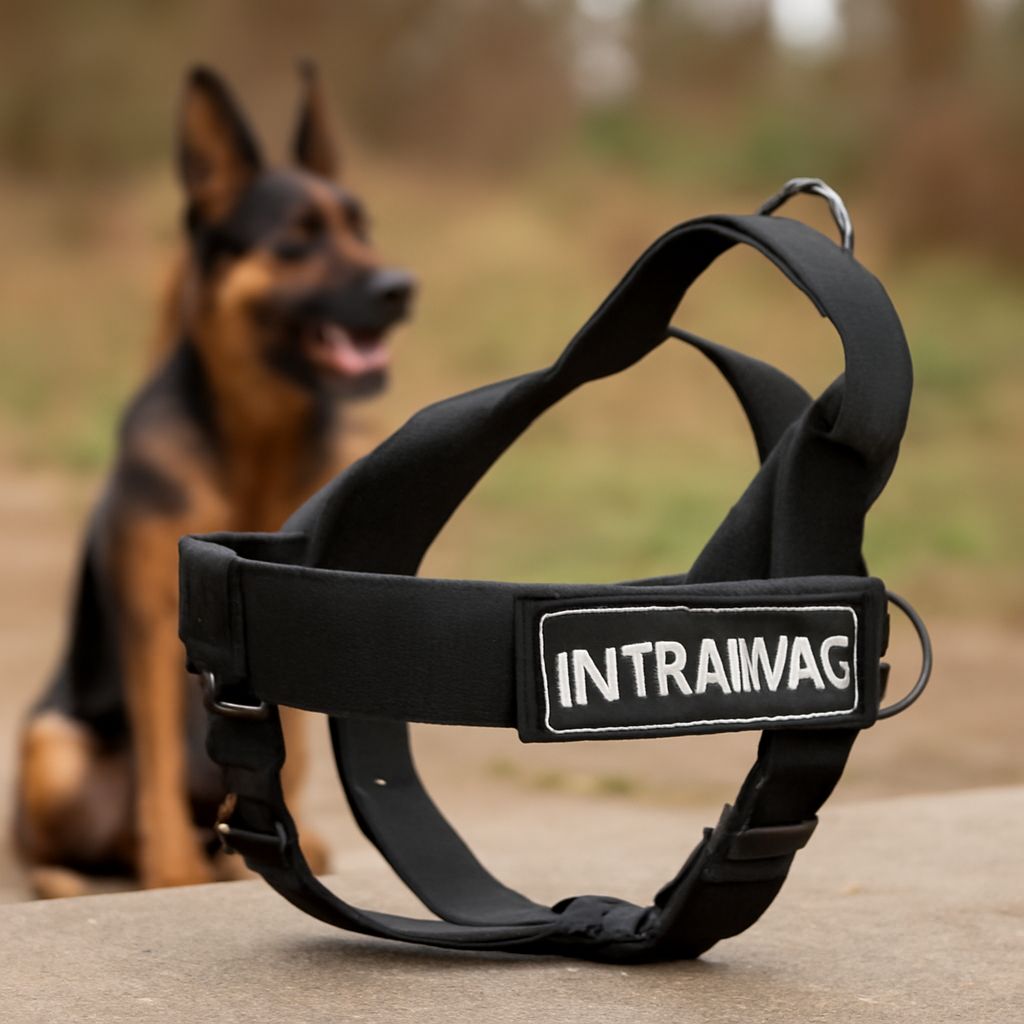
A small dog harness should fit snugly without restricting shoulder movement or chafing the axillary region. The two-finger test applies: you should fit two fingers under any strap at the chest, shoulder, and back. Step-in harness designs suit calmer dogs that tolerate standing still for donning; H-style harnesses offer adjustability that accommodates growing puppies or dogs with unusual proportions. Front-clip harness designs redirect a pulling dog toward the handler without the choking risk of a front-clip collar.
Nail Filing, Freeze-Dried Treats, and Breath Fresheners
A dog nail file — either an emery board, rotating drum, or electric grinder — removes sharp edges after clipping or can serve as the primary nail maintenance tool for dogs with extreme clipper aversion. File in the direction of nail growth, working gradually to avoid the quick. Freeze-dried dog treat products preserve the nutritional profile of raw ingredients while providing a shelf-stable, mess-free training reward. For breath management at home, parsley-infused water, coconut oil applied to the gums, and minced mint mixed into food are the most evidence-supported homemade dog breath freshener approaches.
Key takeaways: German commands create clear training vocabulary when used consistently with positive reinforcement. Small harness fit is critical for safety and comfort in toy and small breeds. Freeze-dried treats, nail files, and simple homemade fresheners complete a well-equipped home grooming and training toolkit.