Many dog owners find themselves bewildered by the prospect of administering insulin shots to their furry companions. Questions like “Is 8 units of insulin a lot for a dog?” often surface, generating concern. While it’s a common belief that giving insulin is complex, understanding the reasons behind insulin needs can alleviate anxiety. Additionally, using Logan dog tags for identification and knowing why picking up after your dog is crucial are integral parts of responsible pet ownership.
These myths can be dispelled with accurate information and proper guidance. This article aims to provide a comprehensive understanding of how to safely administer insulin shots to dogs, the factors influencing dosage, and the broader responsibilities of caring for a diabetic dog. Equipped with this knowledge, pet owners can confidently manage their pet’s health.
Why Insulin Shots Are Important for Dogs
Understanding Canine Diabetes
Canine diabetes is a serious condition that affects a dog’s ability to regulate blood sugar levels. Just as in humans, insulin is essential for managing this disease. Dogs diagnosed with diabetes require daily insulin injections to maintain their health. It’s critical to understand that insulin helps convert glucose into energy, ensuring the dog’s body functions properly.
Benefits of Insulin Treatment
Administering insulin to your dog provides numerous health benefits. It stabilizes blood sugar levels, preventing complications such as vision loss and organ damage. Regular insulin treatment improves a dog’s quality of life, allowing them to lead happy, active lives. Through consistent management, owners can prevent the progression of diabetes-related issues.
How to Give a Dog an Insulin Shot Safely
Preparing for the Shot
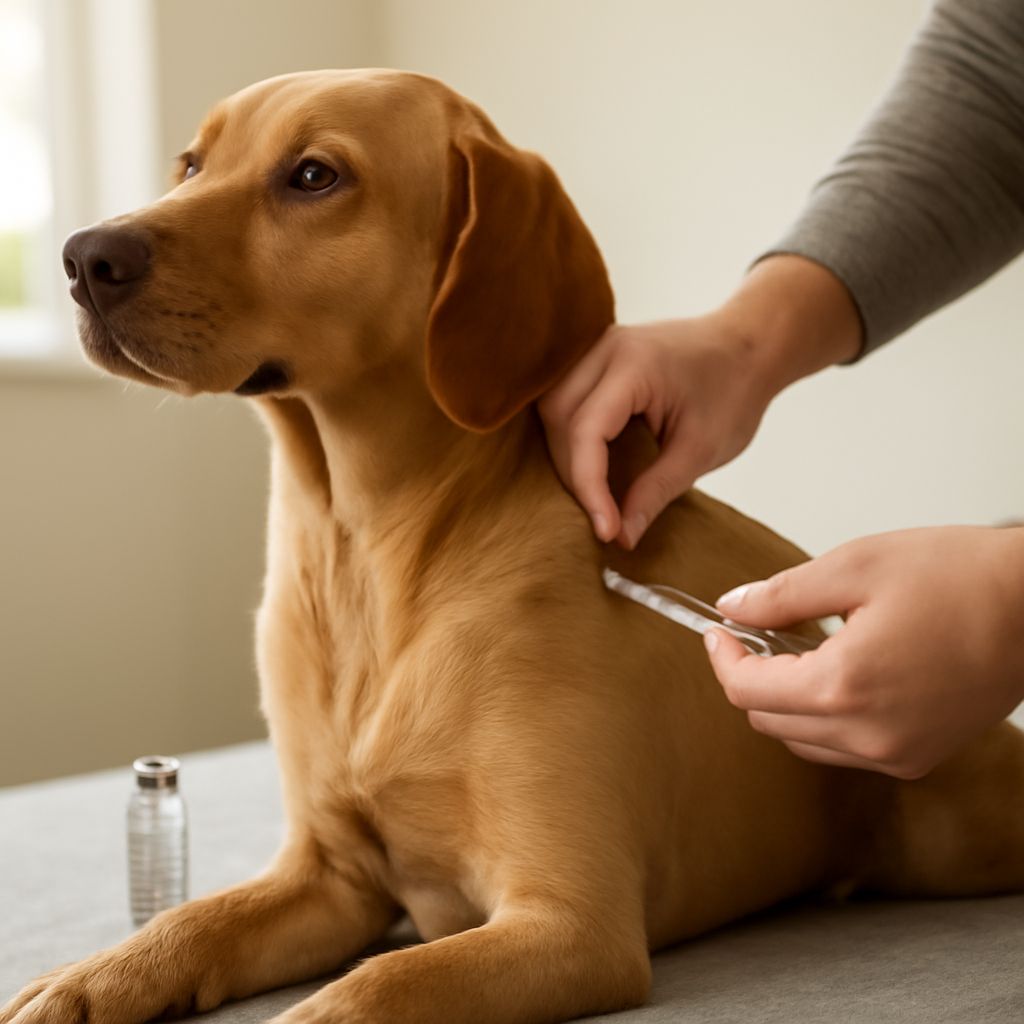
Before administering insulin, ensure the syringe is appropriately filled with the prescribed amount. Keep the insulin refrigerated until use and gently roll the vial between your hands to mix it. Choose a quiet, comfortable spot for your dog to relax and prepare them for the injection. Handling the situation calmly will make the process smoother for both you and your pet.
Administering the Insulin
When you are ready to give the shot, pinch an area of loose skin, typically between the shoulder blades or on the side of the body. Insert the needle quickly and smoothly, then administer the insulin slowly and evenly. Remove the needle and massage the area gently to help distribute the insulin. Always reward your dog with praise or a treat afterward.
Is 8 Units of Insulin a Lot for a Dog?
Factors That Affect Insulin Dosage
The right insulin dosage can vary significantly from one dog to another. Factors such as weight, age, and the dog’s overall health play crucial roles in determining the proper amount. Therefore, what might be a suitable dose for one dog could be excessive or insufficient for another. Monitoring your dog’s response to the insulin is essential for effective management.
Consulting Your Veterinarian
Always consult with your veterinarian to determine the appropriate insulin dosage for your dog. Regular check-ups and blood tests will help to adjust the dosage as necessary, ensuring optimal control over your pet’s diabetes. Your vet is the best resource for tailored advice based on your dog’s specific needs.
The Importance of Picking Up After Your Dog
Environmental Impact
Failing to pick up after your dog can have serious environmental consequences. Dog waste can pollute waterways, harm local wildlife, and contribute to the spread of disease. Responsible pet ownership includes cleaning up to protect the environment and community health.
Health Considerations
Leaving dog waste unattended can pose health risks to other animals and humans. Dog feces can harbor parasites and bacteria that spread diseases. Proper disposal of waste is essential to maintaining a healthy and safe environment for everyone.
Using Logan Dog Tags for Identification
Benefits of Dog Tags
Dog tags are a simple yet effective way to ensure your pet can be identified if they become lost. Logan dog tags provide essential information such as the dog’s name and owner’s contact details, significantly increasing the chances of being reunited if they wander off.
Choosing the Right Tag
When selecting a dog tag, consider durability and readability. Opt for materials that withstand wear, and ensure the text is clear and legible. A quality tag is a valuable tool in keeping your pet safe and easily identifiable.
Bottom line: Managing a diabetic dog involves understanding insulin needs, safe administration practices, and responsible pet care. Always consult your veterinarian for personalized guidance and consider all aspects of pet ownership, including environmental responsibility and proper identification.