A dog run cable system is often misunderstood as a permanent tethering solution, but when properly configured it provides safe, expanded outdoor movement for dogs that cannot be fully off-leash. Dog cable trolley systems consist of a tensioned overhead line between two fixed anchor points, with a pulley and lead that allow the dog to move laterally across the yard. The dislocated hip in dogs — hip luxation — can result from trauma including falls, being struck by vehicles, or sudden twisting during vigorous play, and is distinct from hip dysplasia, which is a developmental condition. Togo, the sled dog whose name lives in mushing history, led the team that covered the longest and most dangerous leg of the 1925 serum run to Nome, Alaska — a distinction often incorrectly attributed to Balto. Dog bone bits refer to the fragments that break off from chew products during active chewing, and their safety profile depends entirely on the material and size.
Dog Run Cable Systems: Setup and Safety
Choosing the Right Cable and Hardware A dog cable trolley system requires galvanized aircraft cable rated to at least three times the dog’s weight. The cable must be tensioned between posts set in concrete — wooden fence posts driven without footings will shift and fail under sustained load. Pulley attachment hardware should be rated for outdoor use with stainless steel or marine-grade components to prevent rust that could compromise the cable over time. Place the line high enough that a jumping or climbing dog cannot reach the anchor points.
Safe Use of Cable Run Systems
Dog run cable setups are not appropriate for 24-hour unsupervised use. Dogs should be checked frequently, and the connection lead should be short enough to prevent the dog from reaching fencing, trees, or structures where tangling is possible. Clip hardware must be inspected monthly — snap hooks can wear and fail, creating escape risks or injury if the dog falls while the lead is engaged. Always use a cable run as a supplement to, not a replacement for, meaningful exercise and human interaction.
Togo and the Legacy of Sled Dogs
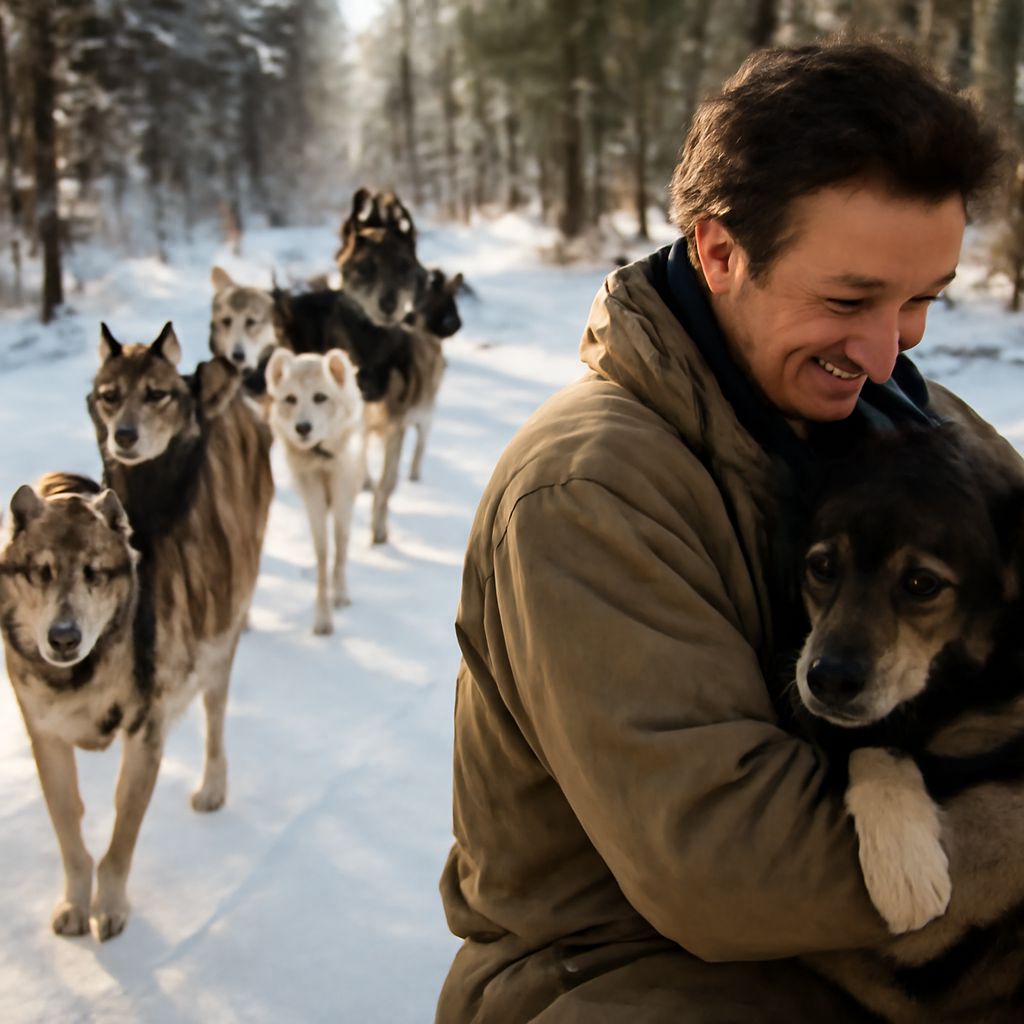
The togo sled dog story is one of endurance and handler partnership that deserves wider recognition. Togo, a Siberian Husky led by musher Leonhard Seppala, covered 261 miles through Arctic conditions — the longest and most treacherous segment of the 1925 diphtheria antitoxin relay. Sled dogs like Togo represent centuries of selective breeding for endurance, cold tolerance, and cooperative team dynamics. Modern working sled dog breeds — including Siberian and Alaskan Huskies and Malamutes — retain these characteristics and require vigorous daily exercise to maintain psychological and physical health.
Dog Bone Bits: Choosing Safe Chews
Bone bit fragments that break off during chewing pose three main risks: choking, intestinal obstruction, and tooth fracture. Raw bones carry lower fracture risk than cooked alternatives, which become brittle and splinter unpredictably. A dog bone chew bit should be large enough that the dog cannot swallow it whole and durable enough that pieces do not break off in sharp, jagged chunks. Veterinary dental organizations recommend against weight-bearing bones — femur and knuckle bones are too hard and cause tooth fractures. Alternatives including bully sticks, yak chews, and rubber chew toys offer safer long-duration chewing options.
Key takeaways: Dog cable run systems require proper engineering and active supervision to be safe. Togo’s legacy reminds us of what dogs achieve through partnership with skilled handlers. Choose dog chew products based on material hardness and size relative to your dog to minimize injury risk.