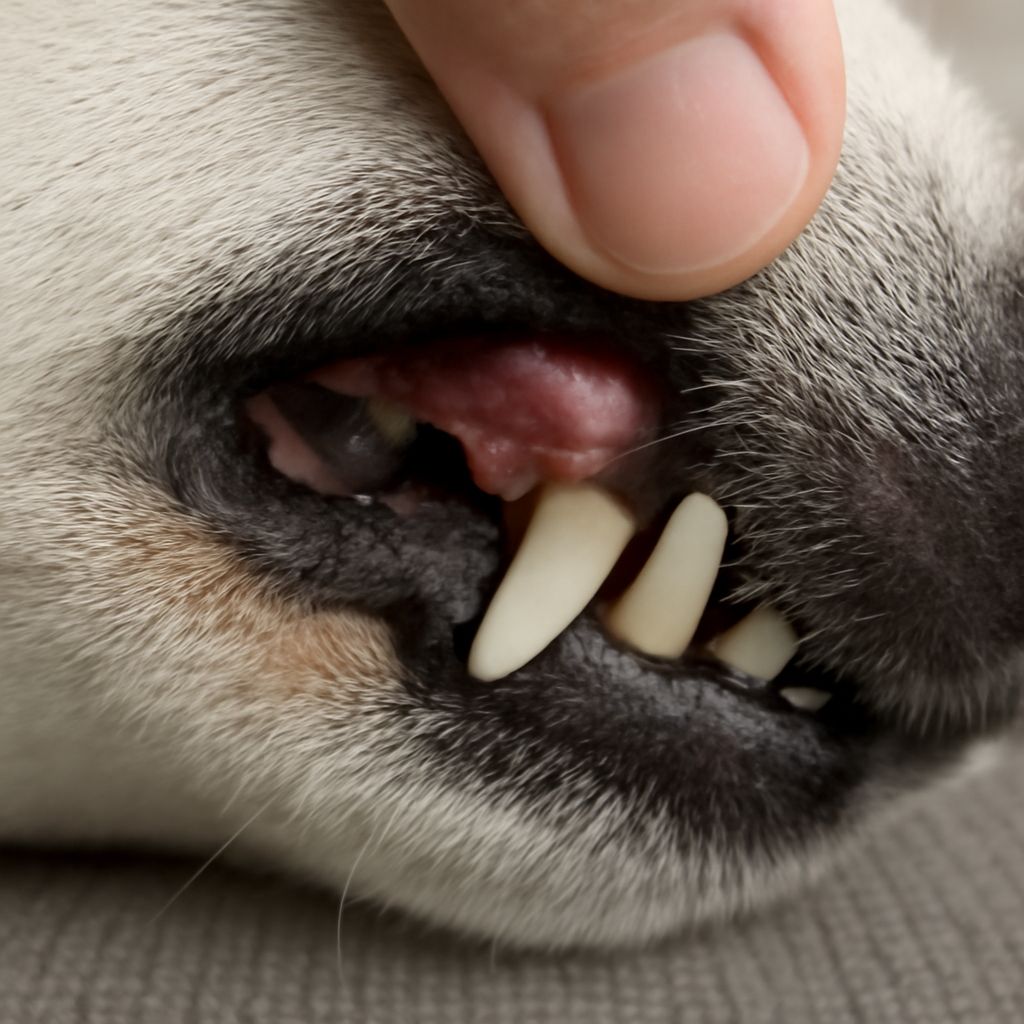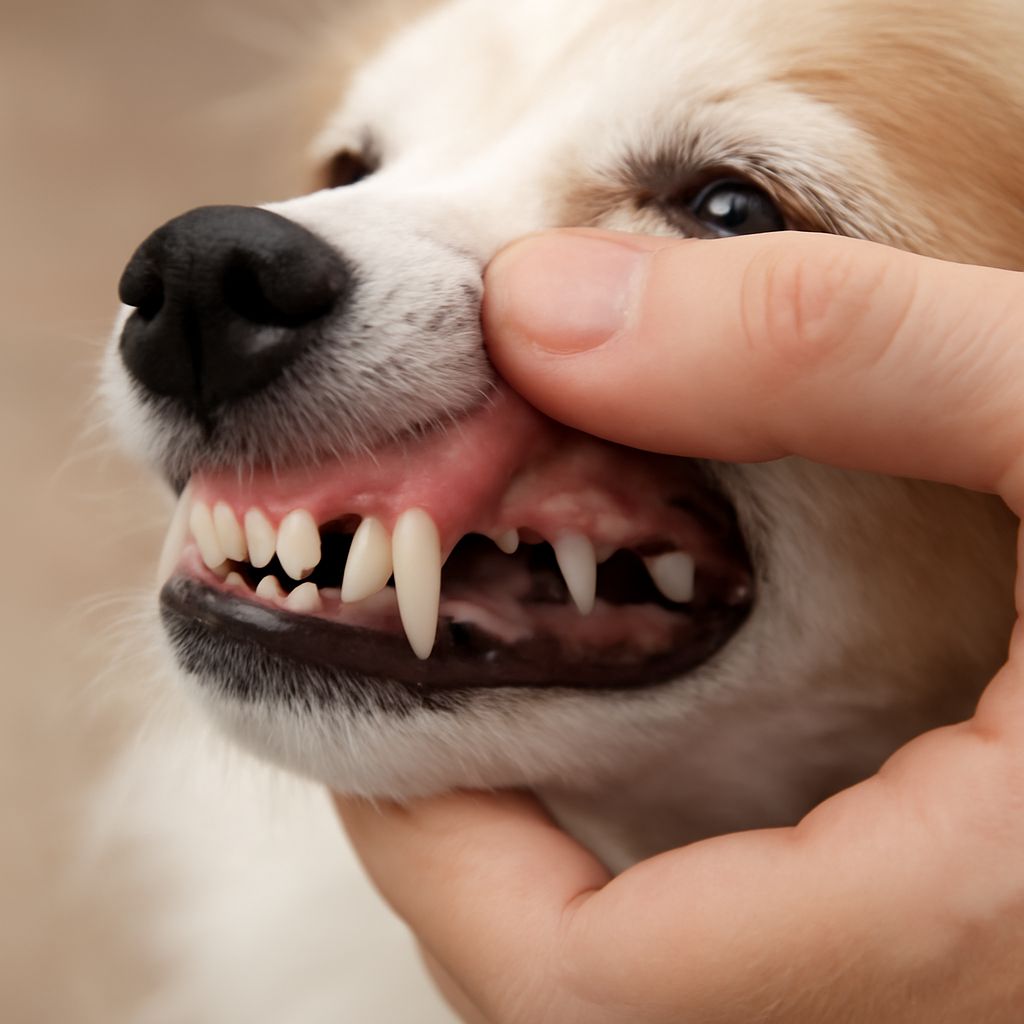
A dog tooth abscess is frequently missed until it causes visible facial swelling, but the infection often begins silently weeks earlier. The tooth root abscess in dogs develops when bacteria penetrate a cracked or fractured tooth and migrate down to the root, triggering an immune response that produces pus. An abscess tooth in dogs can involve any tooth but most commonly affects the upper fourth premolar — the largest cheek tooth — because it bears the greatest chewing load. Dog tooth abscess treatment requires veterinary intervention; antibiotics alone will not resolve the underlying infection without addressing the structural source. Recognizing a dog abscessed tooth early can prevent the infection from spreading to surrounding bone and adjacent teeth.
Recognizing the Signs of a Tooth Root Abscess in Dogs
Visible Symptoms
The most recognizable sign of a tooth abscess in dogs is facial swelling below the eye, which indicates infection of the carnassial tooth root. The swelling may rupture and drain, creating a fistulous tract on the face. Dogs with an abscessed tooth often paw at the face, drop food while eating, or chew exclusively on one side. Reluctance to chew hard items or sudden disinterest in toys that previously received heavy use are early behavioral signals.
Subtle Behavioral Changes
Dogs mask pain instinctively, so a tooth root infection may present only as mild lethargy, reduced appetite, or a slightly flattened demeanor. Halitosis that worsens suddenly can indicate active infection. A dog’s resistance to facial touching or grooming around the muzzle also warrants a closer look at dental health. A veterinarian should examine any dog showing unexplained behavioral changes, as oral pain is a common and underdiagnosed cause.
Treatment Options for Dog Tooth Abscesses
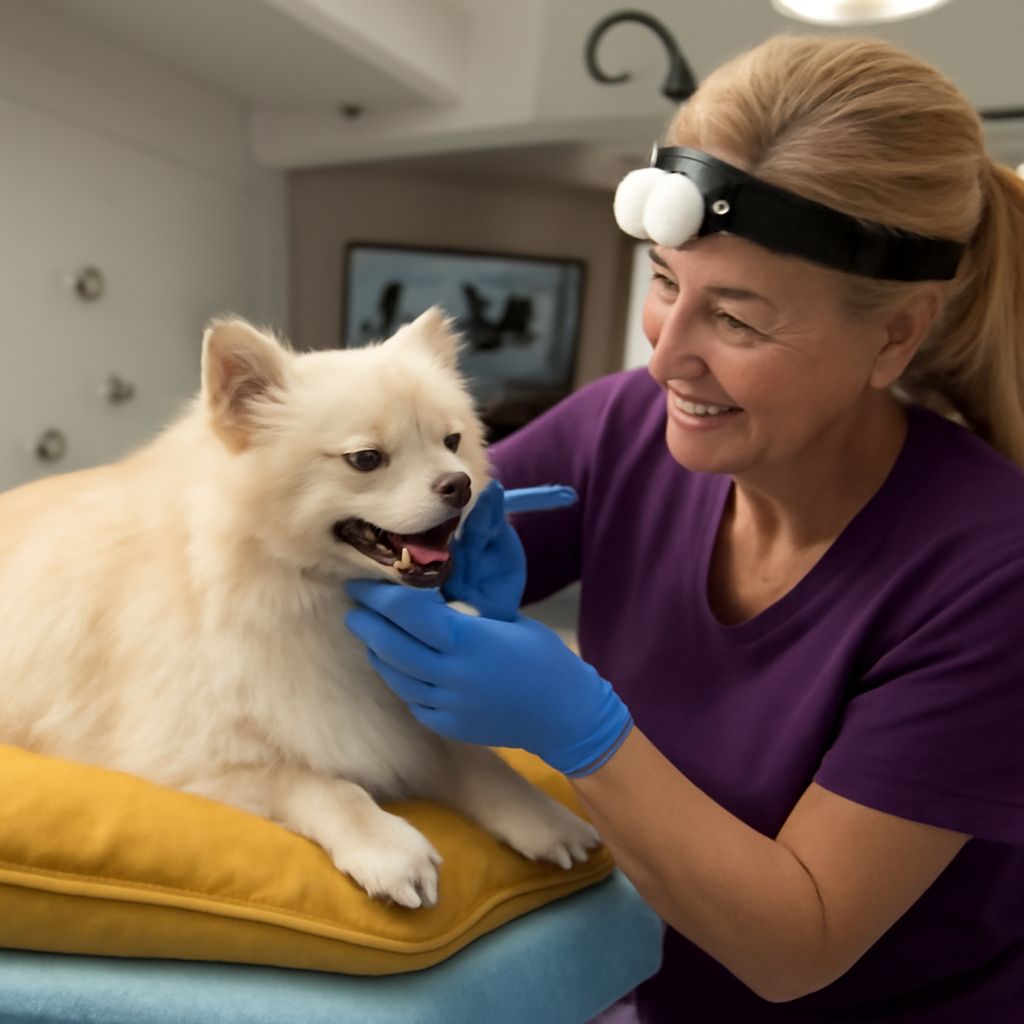
Extraction vs. Root Canal The two primary treatment options for an abscessed dog tooth are extraction and veterinary root canal therapy. Extraction is the most common approach because it eliminates the source of infection definitively and at lower cost. Root canal treatment preserves the tooth structure and is particularly valuable for working or performance dogs where specific teeth are functionally important. A board-certified veterinary dentist is the appropriate specialist for root canal procedures in dogs — a general practitioner can perform extractions but may refer complex cases.
Antibiotics and Pain Management
Antibiotics prescribed before a procedure reduce bacterial load and help manage systemic inflammation, but they do not cure the abscess itself. Pain management is a critical component of treatment — NSAIDs or opioid analgesics are used perioperatively, and owners should monitor post-procedural comfort carefully. Any dog showing ongoing pain or swelling after treatment should return for a follow-up evaluation.
Preventing Dental Abscesses in Dogs
Daily tooth brushing remains the single most effective preventive measure against periodontal disease and secondary tooth infections in dogs. Dental chews and water additives support oral hygiene but do not substitute for mechanical brushing. Avoid giving dogs hard objects that can fracture teeth — ice cubes, antlers, and cow hooves are common culprits behind carnassial tooth fractures that lead to abscess formation. Annual veterinary dental exams with probing and dental radiographs detect early disease before abscesses develop.
Key takeaways: A dog tooth abscess requires professional veterinary treatment — typically extraction or root canal — to resolve fully. Daily brushing and avoiding tooth-fracturing chews are the most reliable prevention strategies. Consult a veterinary dentist for complex or recurring cases.