Many people assume that signs of infection in dogs are always obvious—a runny nose, sneezing, or maybe a limp. However, dog infection symptoms can be subtle, change rapidly, and vary greatly depending on the cause. The notion that every canine infection is easy to spot or that all symptoms are severe from the start is a myth that can put pets at risk. Understanding what to look for helps ensure your dog receives care before minor issues turn serious.
Dogs cannot communicate discomfort the way humans do, making it crucial for owners to recognize even small changes. Learning how to identify infection signs and knowing the most frequent dog infection symptoms gives you the best chance of catching health problems early. This awareness can make all the difference in recovery and quality of life for your pet.
What are the most common signs of infection in dogs?
Infections in dogs manifest in various ways, depending on the part of the body affected. General symptoms often include lethargy, changes in appetite, and unusual behavior. Some dogs may become withdrawn or irritable when feeling unwell. Fever is another tell-tale sign, though it can be difficult to detect without a thermometer.
Visible clues such as redness, swelling, or discharge from the eyes, ears, or other body parts frequently accompany infections. Skin infections might cause persistent scratching, hair loss, or sores. Respiratory infections may lead to coughing, sneezing, or labored breathing. In some cases, urinary tract infections produce increased urination, straining, or accidents indoors.
Digestive system infections are marked by vomiting, diarrhea, or a sudden change in bowel habits. Many infected dogs experience a combination of these symptoms, making it essential to consider the whole picture rather than any single sign. Prompt recognition of these warning signals is critical for your dog’s wellbeing.
How can you spot dog infection symptoms at home?
Careful daily observation is key to detecting infection symptoms in dogs before they escalate. Pay close attention to your dog’s normal habits and demeanor. Noticing shifts, such as decreased activity, reluctance to eat, or rapid changes in weight, can alert owners to potential illness. Inspect your dog’s skin and coat for new lumps, bumps, rashes, or tenderness, as these often accompany bacterial or fungal infections.
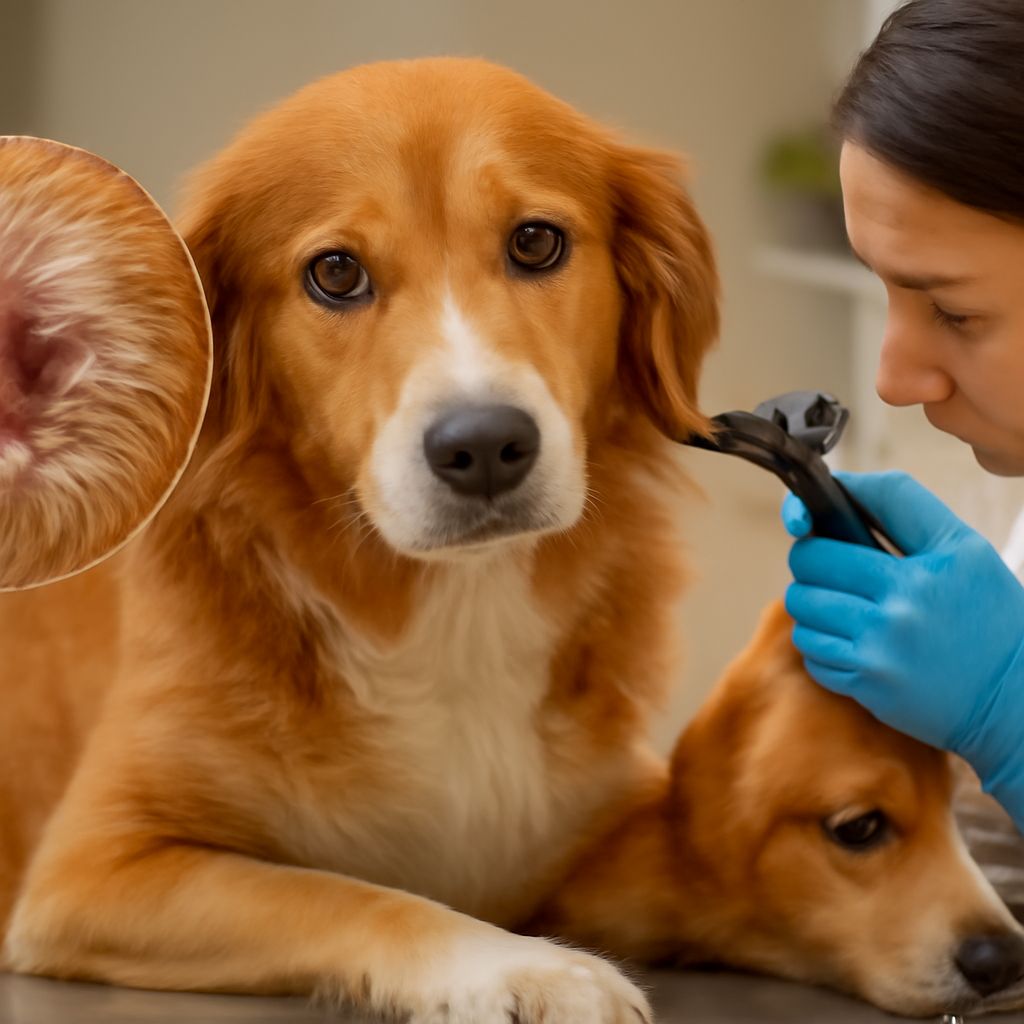
Monitor your dog’s breathing and look for nasal or ocular discharge. Recurrent sneezing, coughing, or noisy breathing may indicate respiratory issues. For ear infections, watch for head shaking, scratching at the ears, or a foul odor coming from the ear canal. With gastrointestinal infections, track stool consistency and watch for blood, mucus, or changes in frequency.
Keep an eye on your dog’s hydration and urination. If your pet appears to drink much more or less than usual, or if urination patterns shift, this can signal a urinary infection or other internal problem. Early detection through consistent monitoring improves outcomes and helps avoid complications.
When should you see a vet for dog infection symptoms?
While mild symptoms like a single day of appetite loss may resolve on their own, persistent or worsening infection signs require professional attention. If your dog exhibits a high fever, severe lethargy, vomiting or diarrhea lasting more than a day, or difficulty breathing, immediate veterinary evaluation is warranted. Blood in urine, stool, or vomit also signals the need for urgent care.
Some infections can advance quickly and lead to serious complications if untreated. Signs such as non-healing wounds, swelling that worsens rapidly, or neurological changes like confusion or seizures demand emergency intervention. Licensed veterinarians can run diagnostic tests, prescribe appropriate medications, and guide further treatment.
Never attempt to treat severe or recurring infections at home without veterinary input. Professional assessment is essential for accurate diagnosis and targeted management, especially if your dog has underlying health issues or is a senior pet.
How can you help prevent infections in your dog?
Preventative care is one of the most effective ways to reduce the risk of infections in dogs. Regular vaccinations protect against many common canine diseases, while parasite control helps guard against tick-borne and flea-related infections. Maintain a consistent schedule of veterinary check-ups to catch early changes before they develop into significant health problems.
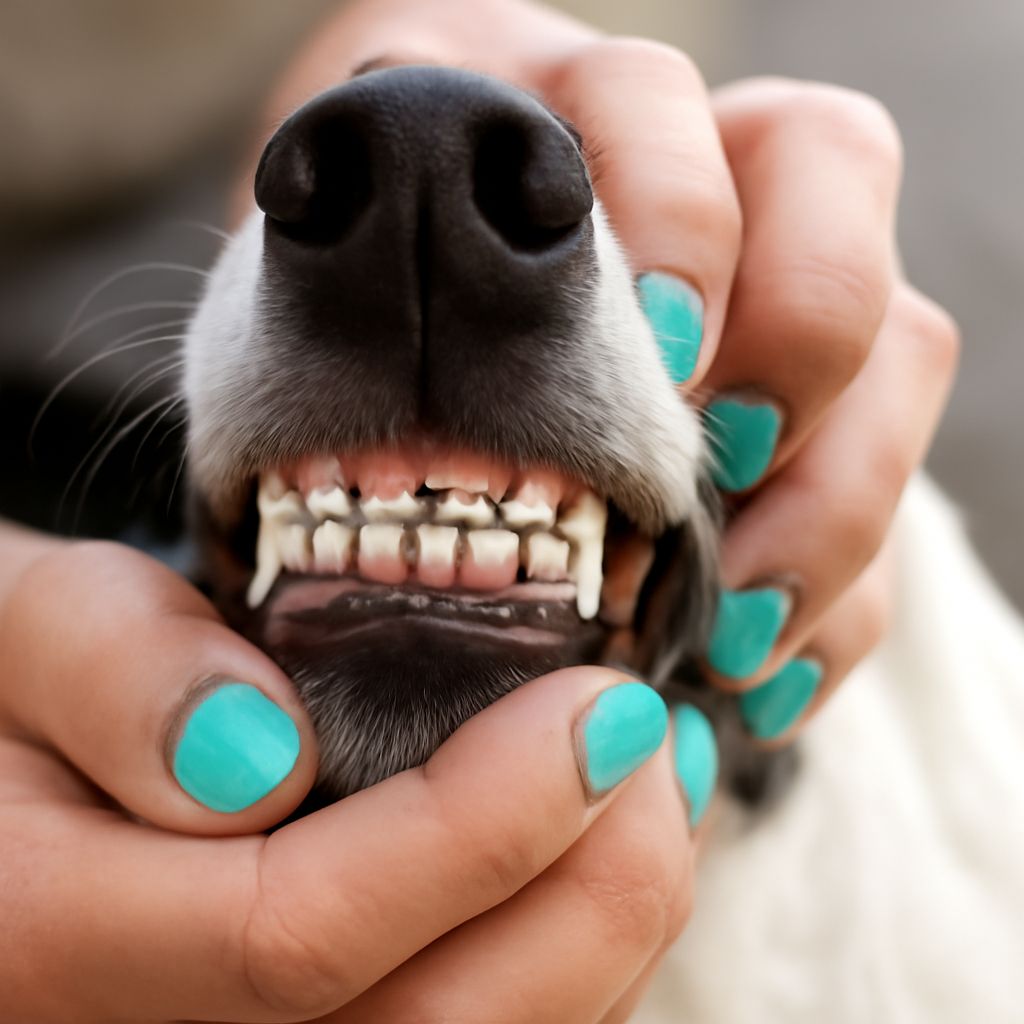
Routine grooming and dental care minimize the buildup of bacteria and other pathogens. Cleaning your dog’s bedding, food and water bowls, and living spaces further decreases exposure to infectious agents. If your pet sustains a wound or scratch, cleaning the area promptly and monitoring for redness or discharge can stop problems before they start.
Good hygiene, a healthy diet, and minimizing contact with sick animals all contribute to your dog’s overall resistance to infection. Implementing these habits supports your pet’s immune system and extends their healthy years.
Bottom line: Recognizing infection signs in dogs early can mean the difference between swift recovery and serious illness. When in doubt, consult your veterinarian to ensure your dog receives the most effective treatment and preventative care.