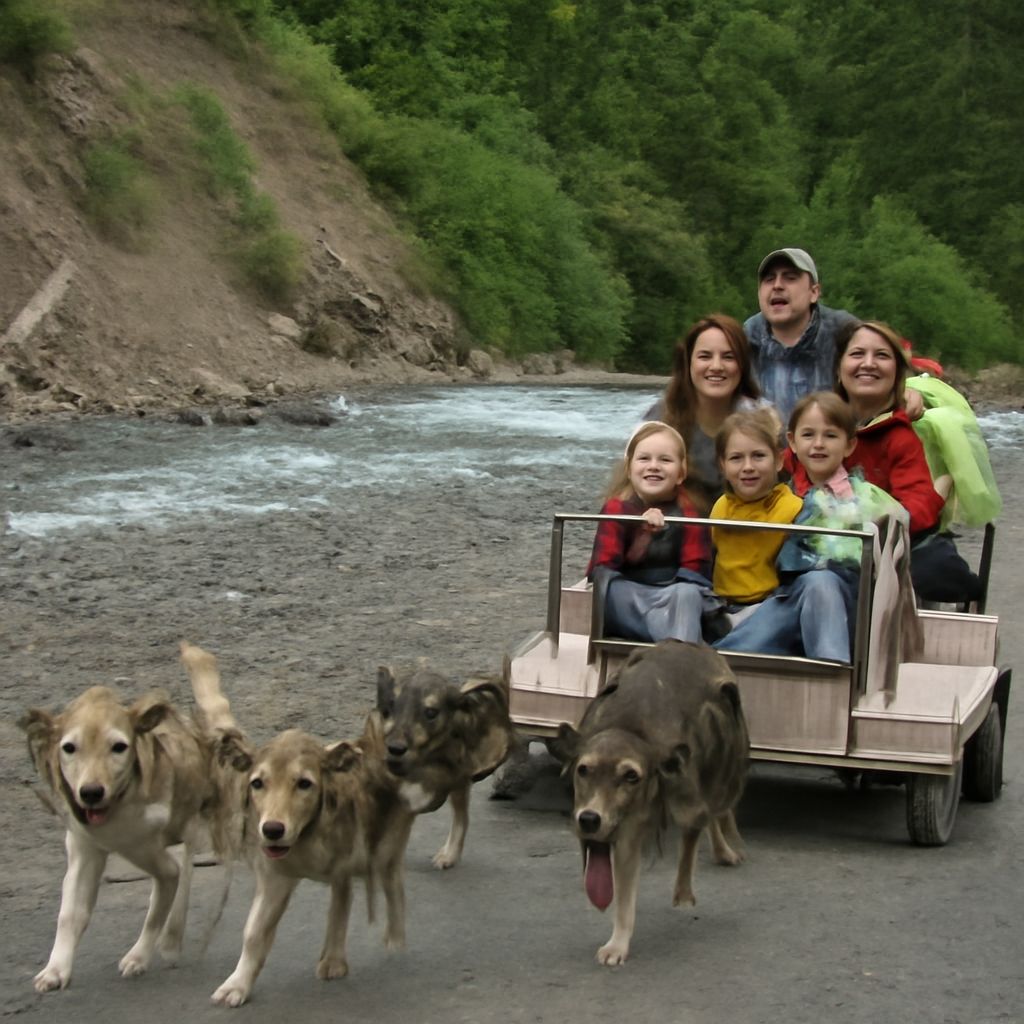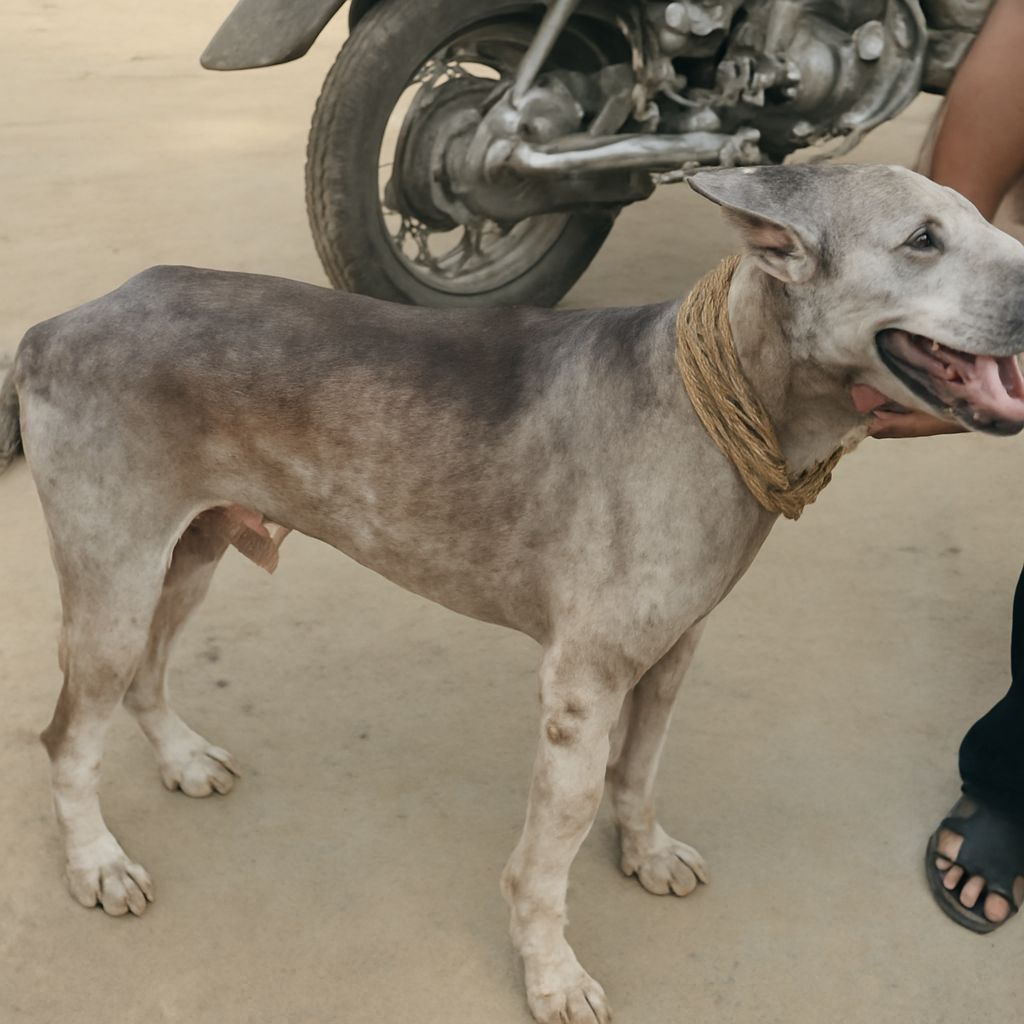
Misconceptions about the pariah dog abound, often rooted in outdated assumptions that this breed is simply a stray or lacks value. In truth, the indian pariah dog stands proudly as one of the world’s oldest and most resilient canine companions, blending intelligence, adaptability, and loyalty. For indian dog enthusiasts, these native dogs symbolize a living link to the subcontinent’s ancient heritage and biodiversity.
Many city-dwellers and new pet owners overlook the desi dog for imported breeds, believing that only pedigreed animals make ideal house pets. This myth does a disservice to K3, which is renowned for its robust health, unique traits, and deep devotion to families who welcome them. Understanding the true nature and history of the pariah dog helps dispel these myths and highlights the breed’s remarkable suitability for modern living.
What is the history and origin of the pariah dog?
The pariah dog is not a recent arrival or accidental crossbreed but a landrace with a lineage that traces back thousands of years. These dogs evolved naturally across the Indian subcontinent, shaped by both human settlements and the region’s diverse climates. Archaeological evidence, including ancient carvings and skeletal remains, points to the presence of pariah-type dogs in South Asia as early as the Neolithic era.
Unlike standardized breeds, the indian pariah dog developed through a process of natural selection, resulting in a highly adaptive and robust population. Their connection to local communities runs deep; for centuries, these dogs protected villages, accompanied hunters, and acted as loyal sentinels. Their role in rural life has provided a template for the traits now celebrated by dog lovers across the country.
Internationally, this native breed has gained attention as a model for canine resilience. Genetic studies reveal that desi dogs share ancestry with primitive Asian dog populations, highlighting their significance in the broader story of dog domestication. By honoring their origins, we support both cultural heritage and ongoing biodiversity.
What are the key traits and temperament of the indian dog?
Indian pariah dogs are known for their keen intelligence and problem-solving abilities. Whether in urban or rural settings, these animals quickly learn routines, boundaries, and house rules. Their intuitive nature makes them responsive to training and deeply attuned to their guardian’s emotions, distinguishing the breed from less adaptive canines.
The temperament of this dog is marked by alertness, even temperament, and loyalty. Pariah dogs are typically gentle with children and bond closely with their human families, making them trustworthy as both watchdogs and companions. While they may initially appear reserved with strangers, proper socialization fosters confidence and friendliness.
Physically, the indian dogs display a medium-sized, athletic frame, expressive eyes, and short, weather-resistant coats. These features contribute to their stamina, agility, and overall hardiness. Because of their naturally developed traits, owners can expect fewer inherited health conditions compared to some highly bred pedigrees.
How do you care for an indian pariah dog?
Caring for a desi dog generally proves straightforward, as these animals are accustomed to the local climate and diet. A balanced, species-appropriate menu of high-quality proteins, grains, and fresh vegetables supports their energy and coat health. Like all dogs, access to clean water and regular mealtimes are essential for their wellbeing.
Pariah dogs have moderate exercise needs. Daily walks, playtime, and occasional hikes keep them physically fit and mentally engaged. Due to their intelligence and curiosity, activities that challenge their minds, such as scent games or basic agility tasks, are highly recommended.
Routine veterinary care—including vaccinations, deworming, and annual check-ups—ensures that your indian pariah remains in peak health. While the breed is generally robust, consult a licensed professional for any signs of severe illness or complex behavioral concerns. Regular grooming is minimal, thanks to their low-maintenance coats, but a weekly brush and periodic bathing help minimize shedding and keep skin healthy.
Why should you consider adopting a desi dog?
Choosing a desi dog offers both practical and ethical advantages. These canines adjust seamlessly to Indian environments and lifestyles, frequently displaying greater resistance to local parasites and diseases than imported breeds. Their loyalty and affection are well-known among families who have embraced them as pets.
Adoption of an indian pariah supports local animal welfare efforts and helps reduce the population of street dogs in a humane way. Many organizations facilitate the rehoming of these resilient companions, offering them a chance to thrive in loving homes rather than surviving on the streets.
Ultimately, sharing your life with a pariah dog means welcoming a devoted, intelligent friend whose history is intimately woven into India’s cultural fabric. This ancient, beloved breed continues to prove that true canine companionship is not defined by pedigree, but by mutual trust and understanding.