Many owners worry that crate training a dog is somehow cruel or unnatural, but this myth overlooks how dogs instinctively seek out safe, den-like spaces. When introduced thoughtfully, a crate or kennel becomes a secure retreat and powerful house-training tool. Learning how to crate train a dog is less about confinement and more about fostering confidence, trust, and healthy routines.
Whether you call it kennel training a dog or setting up a cozy crate, the core principles remain the same: create a positive association, select the right gear, and proceed at your pet’s pace. The following guide debunks common misunderstandings and offers straightforward, expert-backed advice for making kennel training a dog an enjoyable and stress-free experience for both of you.
What Is Crate and Kennel Training for Dogs?
Crate and kennel training refers to acclimating your dog to spend time comfortably inside an enclosed space, such as a wire crate, plastic travel kennel, or soft-sided carrier. For puppies and adult dogs alike, these tools offer a predictable environment where they can relax, sleep, and feel safe. Contrary to outdated beliefs, modern crate training methods rely on positive reinforcement and gradual introductions, not force or punishment.
Dogs are den animals by nature. Crates and kennels replicate the security of a natural den, making them valuable for everything from housebreaking to managing anxiety. When a canine understands that their crate is a personal haven rather than a place of isolation, they develop a healthy relationship with their space and routine. Properly used, kennel training a dog minimizes destructive behaviors and aids in establishing boundaries during travel or vet visits.
How Do You Choose the Right Crate or Kennel?
Selecting the appropriate crate or kennel is the foundation of successful crate training. The enclosure should be large enough for your pet to stand up, turn around, and lie down comfortably, but not so spacious that accidents are likely. Materials vary: wire crates offer ventilation and visibility, plastic kennels may feel cozier to nervous pups, and soft-sided models work well for calm, travel-ready dogs.
Measure your dog’s length and height before purchasing, and account for anticipated growth if training a puppy. Some crates include removable dividers, allowing the space to “grow” with your animal. Prioritize sturdy construction, secure latches, and easy-to-clean designs. Add a soft mat, blanket, or favorite chew toy to encourage positive associations with the new environment. Proper crate selection supports kennel training a dog by ensuring their physical comfort and emotional security.
How to Crate Train a Dog: Step-by-Step Guide
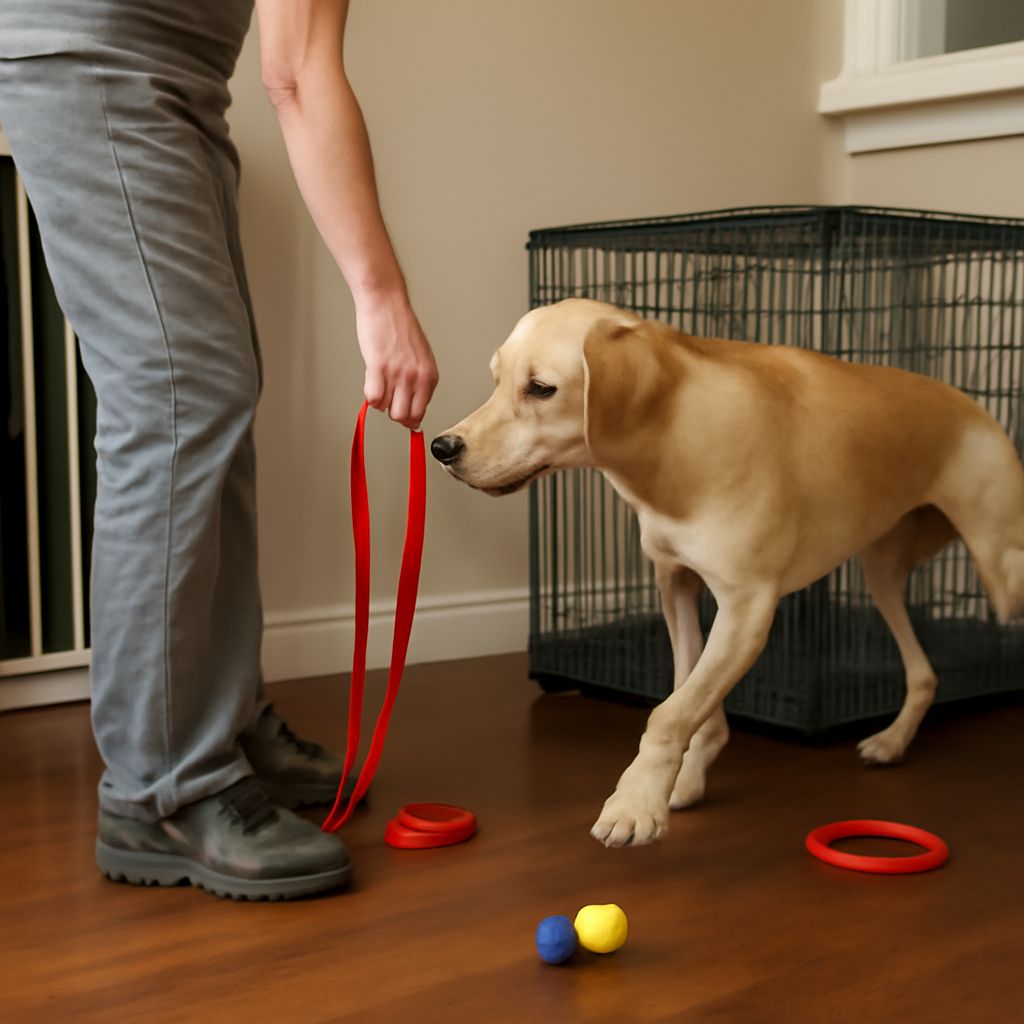
Begin kennel training a dog by introducing the crate in a familiar environment. Leave the door open and encourage your companion to investigate freely. Toss treats inside, feed meals in the crate, and offer praise for calm behavior. Gradually increase the duration your pet spends inside, closing the door for short intervals while you remain nearby. If your dog exhibits anxiety or resistance, take a step back and slow the process.
Once your dog is comfortable, start leaving the room for brief periods while they are crated. Return before any signs of distress appear, so that the experience remains positive. Avoid using the crate for punishment, as this undermines trust in the space. Consistency is key; maintain a predictable routine for crate time, particularly for overnight sleep and when you leave the house. Over time, most dogs look forward to kennel time, viewing it as their private sanctuary.
How Can You Make Kennel Training a Dog Positive and Stress-Free?
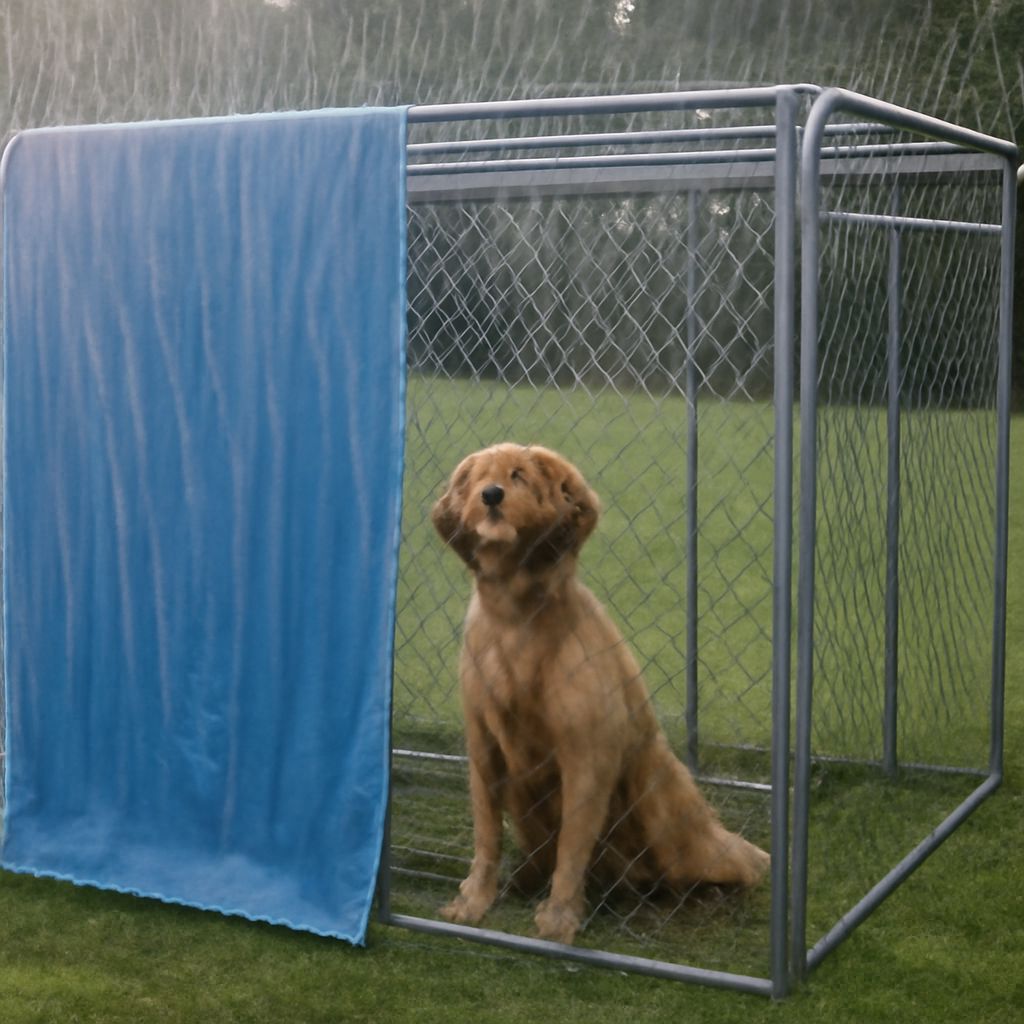
Make crate time rewarding by associating it with positive events—meals, special treats, or favorite toys reserved only for the crate. Use gentle encouragement and never force your pet inside. Consider draping a blanket over part of a wire crate to increase coziness, especially for anxious dogs. Play calming music or use a pheromone diffuser nearby during initial sessions to reduce stress levels.
Respond promptly to whining or barking by waiting for a moment of quiet before opening the door; this prevents reinforcing vocal protests. For dogs with separation anxiety or a history of aversion to confinement, progress may be slower and should be tailored to individual needs. In severe cases of fear or persistent distress, consult a professional dog trainer or behaviorist for customized support.
What Common Problems Occur During Kennel Training and How Do You Solve Them?
Some typical hurdles include whining, chewing on crate bars, or eliminating inside the crate. These issues often indicate that the process is moving too quickly or the crate size is incorrect. If accidents occur, review your pet’s bathroom schedule and consider reducing crate time between breaks. Chewing may signal boredom or stress; increasing exercise and rotating safe toys can help.
Persistent vocalization may improve by rewarding silence and building up alone time incrementally. Never scold a dog for distress in the crate, as this often exacerbates anxiety. Seek advice from a certified trainer if you encounter setbacks that do not resolve with adjustments to your approach.
When Should You Avoid or Modify Crate Training Methods?
Not every dog is suited for traditional crate training. Dogs with severe separation anxiety, traumatic histories, or certain health conditions may require alternative approaches. If your pet panics or self-harms when confined, discontinue use and consult a veterinarian or certified canine behaviorist to develop a gentle, individualized plan.
Dogs recovering from surgery or with orthopedic issues may need special accommodations, such as larger enclosures with orthopedic bedding. Always monitor your dog’s physical and emotional state; if kennel training a dog leads to persistent distress or injury, professional intervention is essential. Tailoring the method to each animal’s temperament and history ensures a safe, humane crate experience that enhances their well-being.