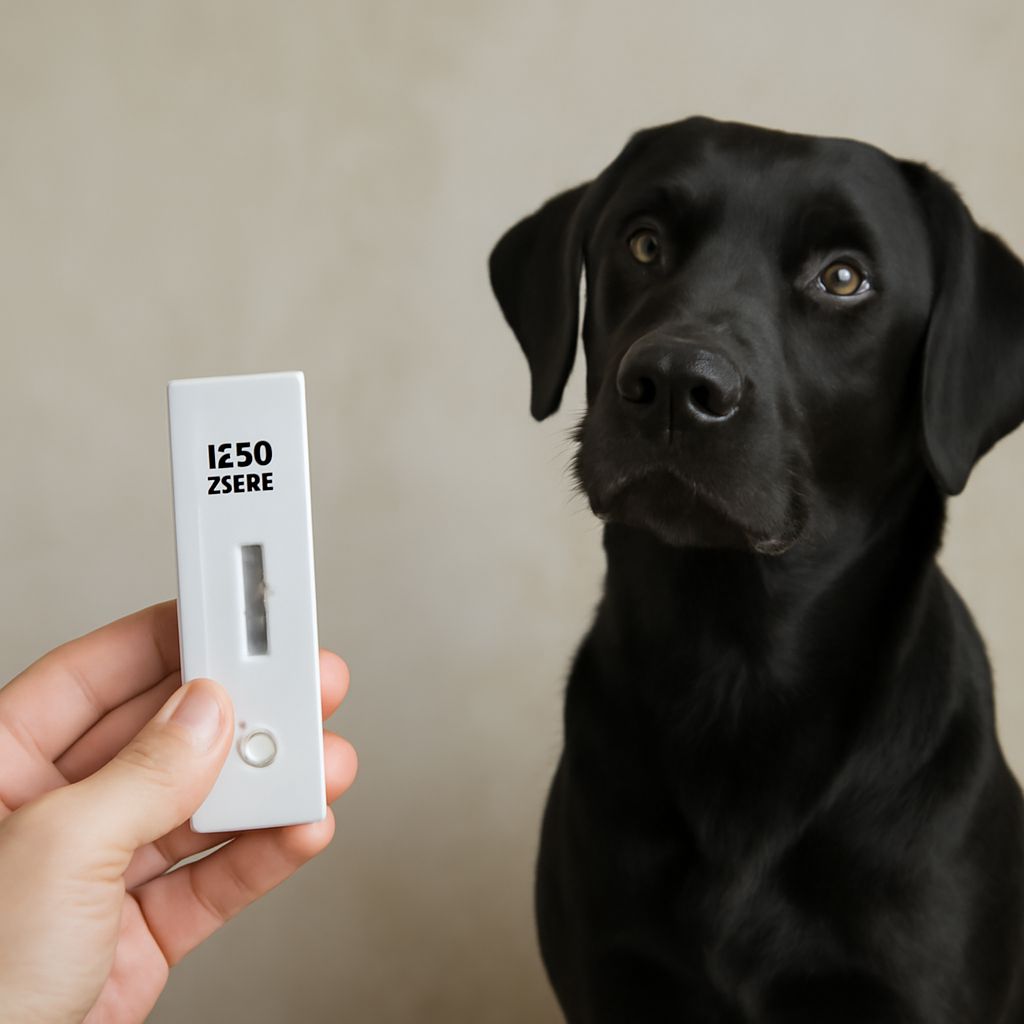
In recent years, dog DNA tests have gained popularity among pet owners eager to uncover their furry friend’s deepest secrets. While these tests promise insights into a dog’s breed, ancestry, and potential health risks, doubts linger about their accuracy. Are dog DNA tests accurate enough to rely on for important decisions about your pet’s care?
Dog DNA test accuracy is crucial for understanding your pet’s unique traits and potential health issues. However, with a burgeoning market filled with various options, it becomes vital to discern how reliable these tests truly are and what factors may influence their precision.
What Determines Dog DNA Test Accuracy?
The accuracy of dog DNA tests hinges on several factors. First, the size and diversity of the company’s reference database play a crucial role. A comprehensive database, rich in different breeds and genetic markers, enhances the test’s ability to identify your dog’s ancestry with precision.
Additionally, the technology and methodology used in analyzing the DNA samples impact the test’s reliability. Advanced techniques such as genotyping and sequencing offer more detailed results compared to basic testing methods. The expertise of the professionals conducting the analyses can further influence outcomes, making it important to choose a reputable provider.
Sample quality is another pivotal component. Ensuring the DNA sample is uncontaminated and collected correctly can significantly affect the results. Following the provided instructions meticulously is essential for achieving accurate readings.
How Reliable Are the Results?
The reliability of dog DNA tests can vary widely among different companies. Generally, tests tend to be more accurate in identifying common breeds, while rarer breeds might pose challenges due to limited representation in the reference databases. This variance can sometimes lead to partial or less precise results.
Moreover, while genetic tests can provide insights into potential health risks, they are not definitive diagnoses. Consulting a licensed veterinarian for complex or severe health concerns remains indispensable, as they can interpret the genetic findings within the broader context of your dog’s health history and current condition.
False positives or misleading results are rare but possible, particularly with breed identification. It’s crucial to use DNA test results as one piece of the puzzle rather than the sole determinant of your dog’s care plans.
Can You Trust Dog DNA Tests for Breed Identification?
For many pet owners, breed identification is a primary reason for using dog DNA tests. These tests can often successfully identify the dominant breeds in a mixed-breed dog’s lineage, offering insights into their behavioral traits and potential health predispositions.
However, it’s important to remember that while dog DNA tests offer breed identification, they should not replace professional evaluation. For an accurate understanding of your dog’s behavior and needs, combining DNA test insights with observations and consultations with canine experts is advisable.
The trustworthiness of dog DNA tests for breed identification largely depends on the richness of the company’s breed database and the precision of their testing methods. By selecting a reputable provider and interpreting the results cautiously, pet owners can gain valuable insights into their canine companions.
Safety Recap: Always follow proper procedures when collecting DNA samples to ensure accurate results. Consult with a licensed veterinarian for any complex health issues identified through DNA testing to ensure appropriate care for your pet.