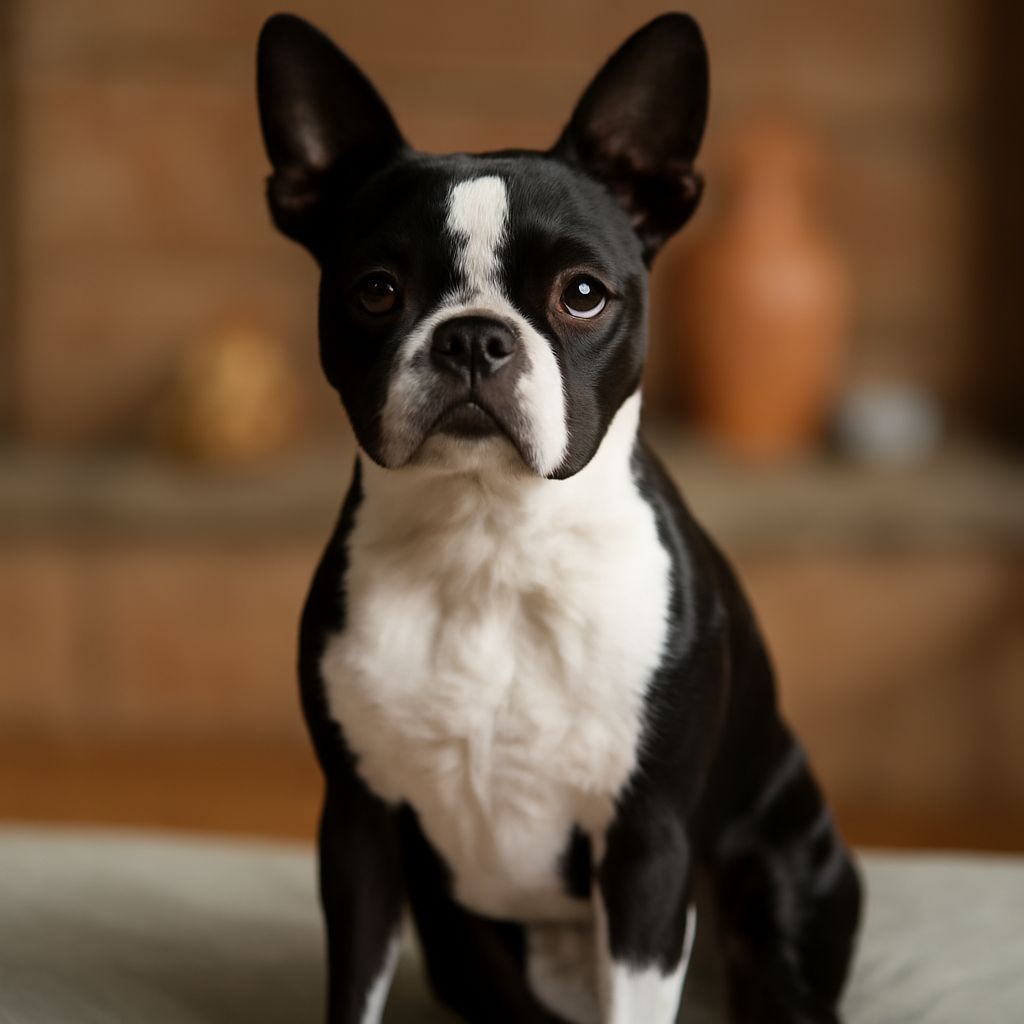
Begin with the breed club and a realistic look at your routine. A Swedish Vallhund pup can be a lively, observant companion, and finding a Swedish Vallhund to buy may take patience. Ask about health records, early experiences, and the individual puppy before committing to a source.
Swedish Vallhund for Sale: Start With Breed-Specific Questions
The Swedish Vallhund is a compact herding dog, originally developed to work around cattle. Short legs do not mean a dog who only wants to decorate the sofa. The American Kennel Club emphasizes the breed’s herding background; individuals vary in energy, sociability, and how readily they settle. Meeting adult dogs and speaking with owners can help you picture the day-to-day experience.
The Swedish Vallhund Club of America is a place to start learning about the breed and making contacts. A club referral or registration is a lead to investigate, not a substitute for asking questions. A breed event can also let you observe adult dogs with their handlers and ask what surprised owners about living with them.
When considering Swedish Vallhund puppies for sale, ask what the breeder hopes to achieve with the litter, what the parents are like at home, and how puppies are matched to families. A useful answer contains specific observations: for example, how a parent responds to visitors or how a puppy recovers after a new sound. Ask about difficult moments as well as favorite qualities.
A Swedish Vallhund for sale may be some distance away. When buying a Swedish Vallhund, a wait or a trip can be part of the search; include travel and possible return visits in your planning. If the first conversation is by video, ask to see the puppy with its mother and the place where it lives. Arrange an in-person visit when practical, and clarify transport and payment terms before agreeing to anything.
Ask for the actual health results
The AKC’s herding-group health page lists a hip evaluation, an ophthalmologist evaluation, and a Swedish Vallhund retinopathy DNA test as national breed club recommendations. Ask for the results for both parents, the dates, and enough identifying information to verify the records where available. Take copies to your veterinarian if you need help interpreting them.
An eye examination and a DNA test answer different questions. Ask the breeder what each result means for this pairing, including any carrier result, and how the puppy’s expected status was determined. The breed club’s health and genetics page provides background on retinopathy research. A clear answer explains the evidence and its limits; “the parents look healthy” does not provide the test results.
Also ask whether the breeder knows of close relatives with hip or eye problems and how that information influenced the pairing. Health screening reduces uncertainty, but no set of results promises a puppy will never need veterinary care. Discuss the puppy’s own examination, vaccination and parasite-treatment records, and any concern observed before it comes home.
Look closely at how the litter is raised
A clean, safe environment should give puppies access to their mother, appropriate rest, and space to move and explore. Ask what surfaces, sounds, people, and gentle handling they have experienced. A good answer might describe brief, positive exposure to a vacuum at a distance or handling paws for a future nail trim, rather than claiming that puppies have been exposed to everything.
Notice how the puppy interacts and recovers from ordinary activity without demanding a performance. A quiet puppy may be sleepy; an outgoing one may have just woken up. Ask the breeder for observations across several days and how those observations fit your household. The person raising the litter should be interested in your schedule, other animals, children, and experience with active dogs.
A young Swedish Vallhund being offered for purchase should come with a written agreement. Read the health terms, what the fee includes, the expected collection date, and the deposit or refund conditions. Ask whom to contact after pickup and what happens if you can no longer keep the dog. Avoid pressure to pay immediately when the seller will not answer questions or share records.
Prepare for a clever herding companion
Make room in your schedule for walks, play, short reward-based training sessions, and quiet rest. A Vallhund may notice fast-moving feet or toys; teach children to stop moving if a puppy becomes too excited and redirect the puppy to an appropriate toy. Supervise interactions and give everyone a break before play becomes overwhelming.
Practice a name response, coming when called, and settling on a mat in a quiet room. Reward the behavior you want and gradually introduce distractions. If barking or chasing becomes hard to manage, ask a veterinarian or qualified reward-based trainer for help early. These tendencies vary, so build your plan around the individual rather than expecting a fixed personality.
Secure gates and fencing, put cords and small objects away, and arrange a comfortable sleeping area. Buy a properly fitted harness, leash, bowls, grooming tools, and a safe chew toy. Ask the breeder what food and routine the puppy knows, then discuss any changes with your veterinarian. Plan a first appointment and bring the records you received.
A Swedish Vallhund puppy available from a rescue may have less documented background. Ask what the organization has observed, what medical care is included, and how it supports the transition. If the dog is a suspected mix, treat its breed identification and adult traits as estimates and choose based on the individual you meet.
Your take-home checklist
- Meet the breed: observe adults and consider whether your household can provide daily activity, training, and rest.
- Check the source: ask how the litter is raised, how the puppy is matched, and what support follows placement.
- Review health: obtain both parents’ hip, eye, and retinopathy DNA results and discuss questions with your veterinarian.
- Read the agreement: understand fees, deposits, timing, transport, and return arrangements before paying.
- Prepare home and schedule: secure the space, arrange a veterinary visit, and make time for a gradual start.