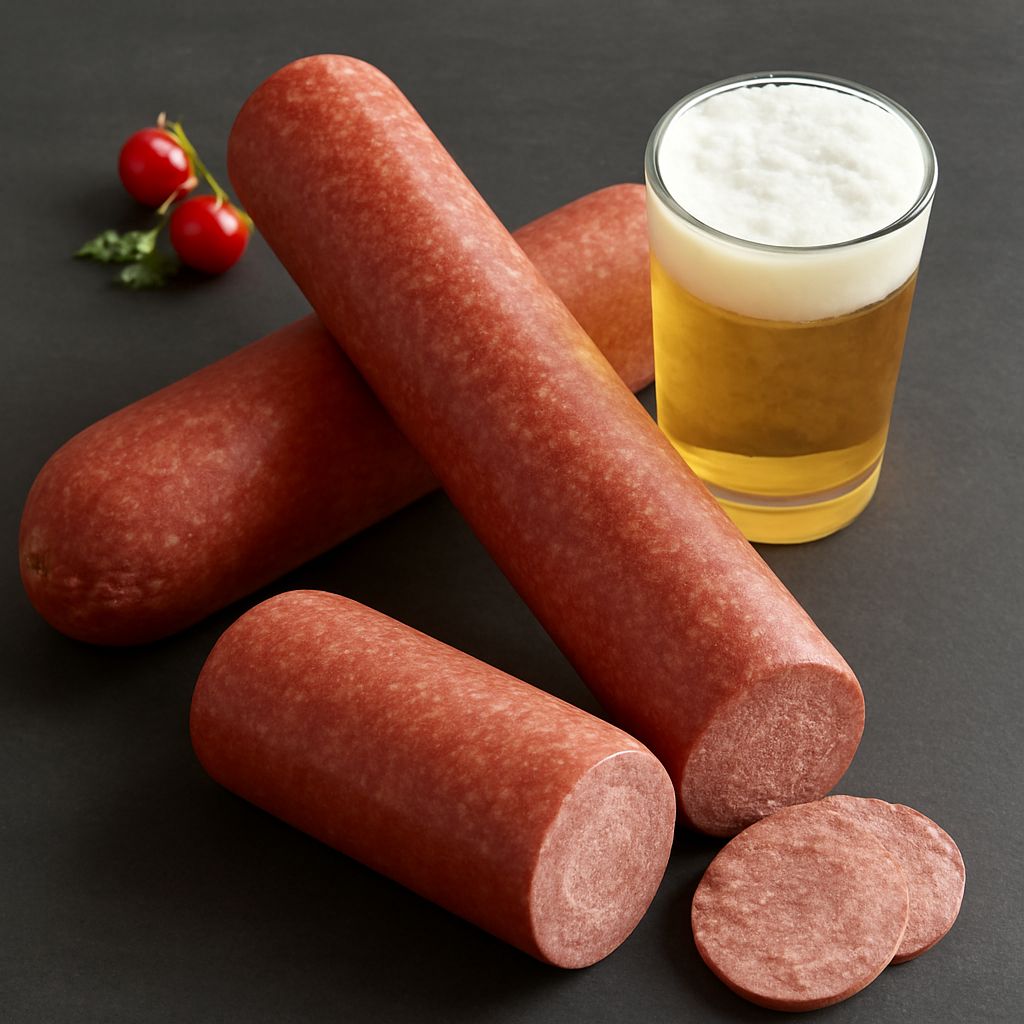
Many pet owners wonder whether their furry friends can enjoy some of their favorite foods, like sausage. The short answer is that not all human foods are safe for dogs. While sausage might seem like a tasty treat, it’s essential to consider the ingredients and potential effects on your dog’s health. One common question is, can dogs eat summer sausage? Let’s explore the safety and implications of feeding sausage to dogs.
Is It Safe for Dogs to Eat Sausage?
Sausage contains various spices and seasonings that may not be suitable for canine consumption. While a small bite might not cause immediate harm, regularly feeding sausage to your dog can lead to health issues. The high-fat content and sodium levels in sausages can contribute to obesity and salt poisoning, posing risks to your dog’s well-being.
When considering a snack for your pet, always check ingredient labels. Sausages often contain onions, garlic, and other toxic ingredients for dogs. A single exposure might not be deadly, but repeated ingestion can lead to severe health consequences.
Can Dogs Eat Summer Sausage?
Summer sausage, a popular variety, raises similar concerns. Can dogs eat summer sausage? While it might not contain the same level of spices as other sausages, it is still laden with preservatives and sodium. The curing process often involves additives that are unsuitable for dogs, making it an unwise choice for regular consumption.
Even though summer sausage may seem like a milder option, its ingredients can still be harmful. Always prioritize foods that align with your dog’s dietary needs and avoid those that might upset their digestive system.
Potential Risks of Feeding Sausage to Dogs
Feeding sausage to dogs carries several potential risks. The high-fat content can lead to pancreatitis, a painful and potentially severe condition. Dogs are also at risk of obesity when consuming high-calorie foods without adequate exercise.
Sodium toxicity is another concern, as excessive salt can lead to dehydration, increased blood pressure, and even kidney damage. Sausage seasonings like onion and garlic powders are toxic to dogs, potentially causing anemia and gastrointestinal distress.
Regular consumption of processed meats can contribute to long-term health problems, including heart disease and diabetes. Always be vigilant about what your pet ingests to prevent these issues.
Healthier Alternatives to Sausage for Dogs
If you’re seeking safe treats for your dog, consider healthier alternatives. Lean meats such as chicken or turkey, without added seasonings, can be excellent protein sources. These meats are less likely to upset your dog’s stomach or contribute to weight gain.
Vegetables like carrots or green beans can also make nutritious snacks. They are low in calories, high in fiber, and beneficial for your dog’s overall health. Always introduce new foods gradually and monitor your dog’s reaction.
Commercial dog treats specifically formulated for canine nutrition are also a safe choice. They are designed to provide essential nutrients without harmful additives. Consult a veterinarian for recommendations tailored to your dog’s specific dietary needs.
Bottom line: While sharing human food with your dog can be tempting, it’s crucial to prioritize their health and safety. Sausage, including summer sausage, can pose various risks due to its high-fat and sodium content. Opt for healthier alternatives and consult a professional for guidance if you’re uncertain about your pet’s diet.