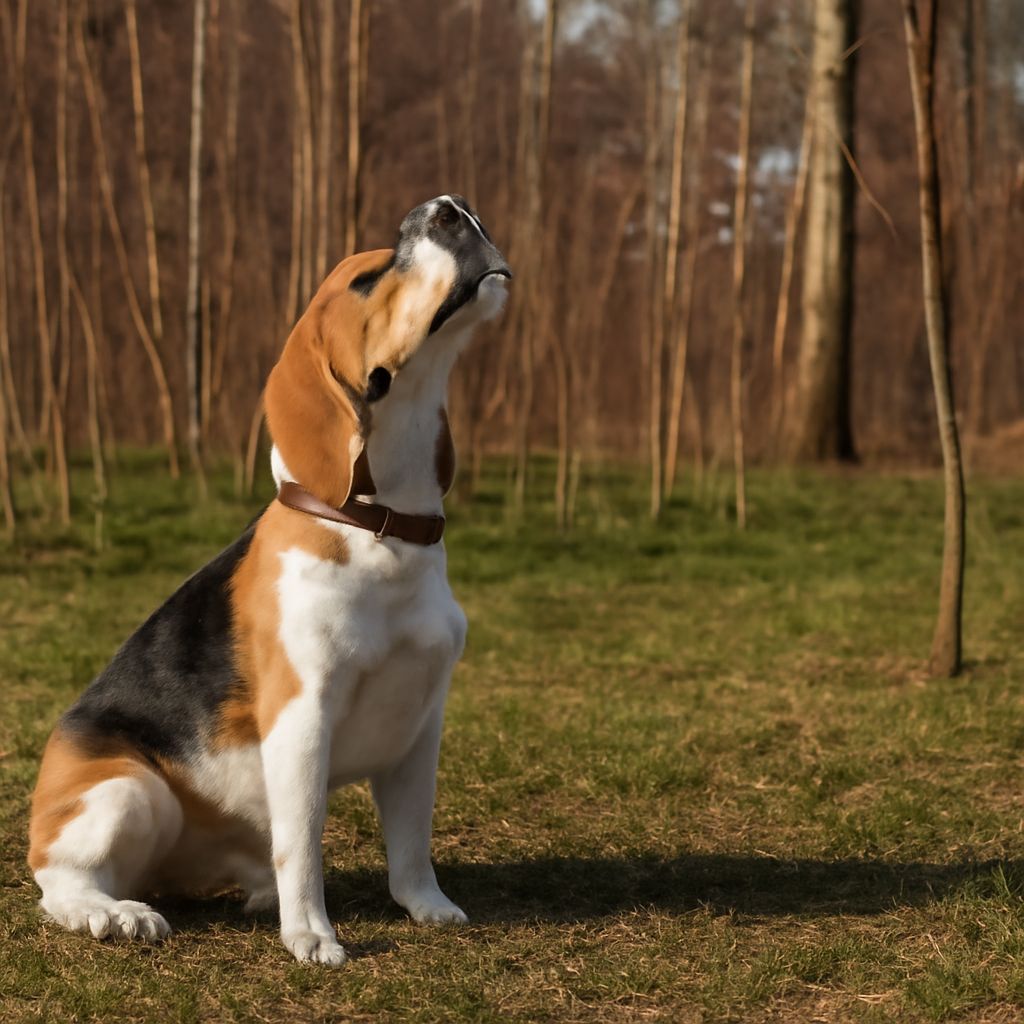
Imagine a quiet evening at home, when suddenly, the sharp bark of a neighbor’s dog pierces the silence. Yet, your own dog, sitting calmly by your side, remains silent. This scenario might seem unusual, but not all dogs are vocal creatures. Many factors contribute to why some dogs don’t bark, including genetics, upbringing, or even personal temperament. For those curious about canine communication, understanding when and why dogs choose silence can be enlightening.
In the world of dog training, a common query is: can you teach a dog to not bark? The answer is multifaceted and depends on various methodologies and behavioral insights. While dog bark mp3 files can help analyze and understand barking patterns, it’s vital to explore effective strategies that encourage desired behaviors. Raising the perfect dog often involves a blend of patience, tailored training techniques, and an understanding of your dog’s unique needs.
Why Do Some Dogs Not Bark?
Dogs, much like humans, have distinct personalities and temperaments. Some breeds are naturally less vocal due to their genetic lineage. For instance, Basenjis are famously known as “barkless” dogs, though they may still vocalize in other ways. Environment and upbringing also play crucial roles. Dogs raised in quieter settings, like those living in rural areas, might not feel the need to bark as often.
Additionally, health issues can influence a dog’s barking behavior. A dog might be silent due to a medical condition affecting its vocal cords or throat. Observing changes in your dog’s behavior and consulting a veterinarian can help pinpoint any underlying health concerns. Overall, understanding these factors provides a deeper insight into why some dogs choose silence over barking.
Can You Train a Dog Not to Bark?
Training a dog to control its barking is possible, though it requires consistency and patience. Start by identifying the triggers that cause your dog to bark. These could range from passing cars to the doorbell ringing. Once identified, gradual exposure and positive reinforcement can help your dog learn to remain calm in these situations.
Utilizing dog bark mp3 files can also be beneficial. By playing these recordings at controlled volumes, you can desensitize your dog to these sounds, reducing their urge to bark over time. Furthermore, incorporating commands like “quiet” or “enough” during training sessions can reinforce desired behaviors. Remember, it is always beneficial to consult a professional dog trainer for personalized advice, particularly if your dog displays extreme or persistent barking.
Moreover, avoid using harsh methods or punishment to curb barking. This approach can lead to anxiety and does not address the root cause of the behavior. Instead, focus on rewarding silence and calmness, creating a positive association for your dog.
How to Raise the Perfect Dog Without Excessive Barking
Raising a well-behaved dog involves more than just teaching commands or tricks. It requires a holistic approach that considers the dog’s physical, mental, and emotional needs. Regular exercise, mental stimulation, and socialization are key components. A well-exercised dog is less likely to bark out of boredom or frustration.
Socializing your dog with different environments, people, and other animals can reduce fear-based barking. Early exposure helps them become comfortable with diverse stimuli, minimizing the need for vocal alerts. Moreover, maintaining a consistent routine can provide your dog with a sense of security, further reducing anxiety-induced barking.
Training techniques should evolve as your dog matures. The methods used to teach a puppy might need adjustment as they grow. Always tailor your approach to suit your dog’s changing needs, preferences, and personality. By doing so, you nurture an environment conducive to raising a well-adjusted, amicable canine companion.