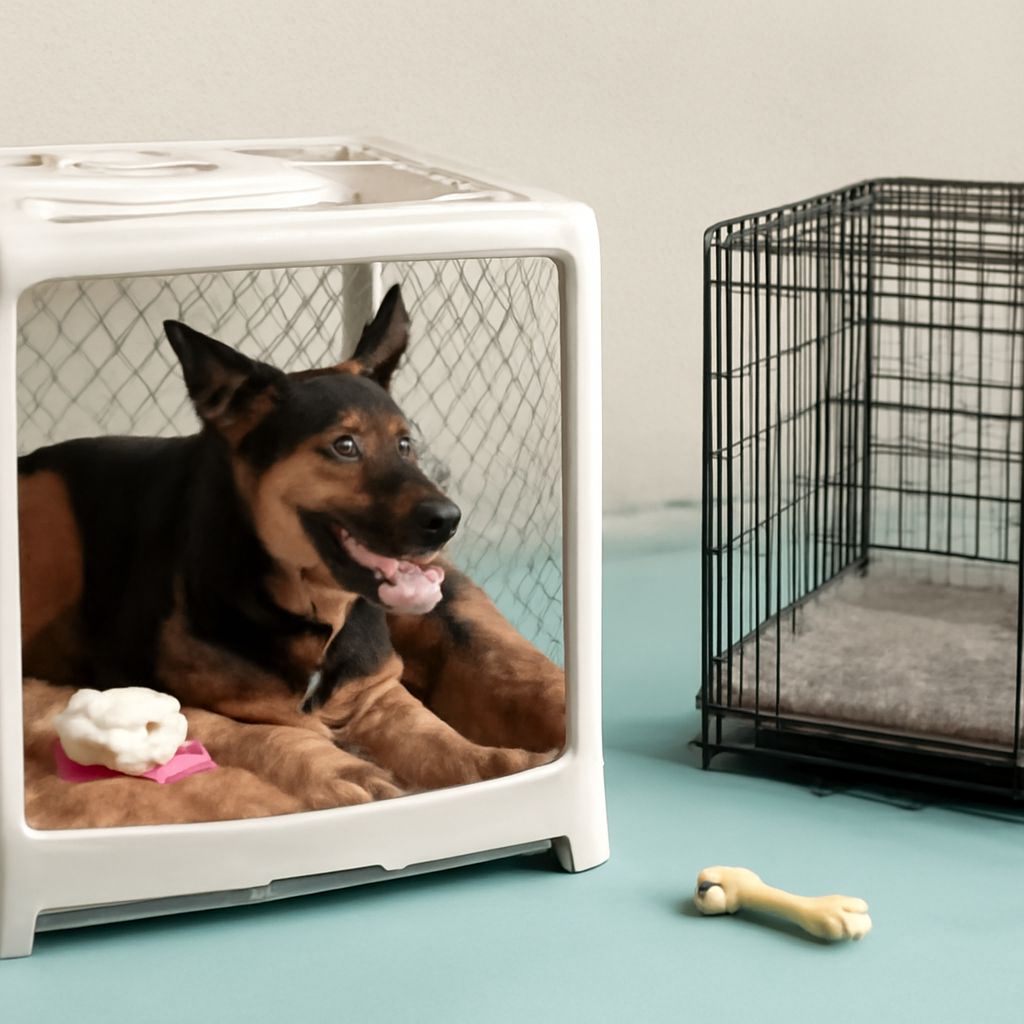
Flu season often brings with it a wave of sniffles, sneezes, and the dreaded question: “Can my dog get the flu from me?” While it’s common to worry about our furry friends when we aren’t feeling our best, the reality is more reassuring than you might expect. Despite the similarities between human flu and canine influenza, the viruses responsible are distinct, making it unlikely for our pets to catch the flu from us.
Many pet owners mistakenly equate their flu with the canine version, but understanding the specifics of canine influenza clears up this confusion. Dogs can catch their own flu, but not from a human source. However, this doesn’t mean precautions aren’t necessary. It’s essential to recognize the signs of the flu in dogs and take steps to protect them from possible infection.
Can My Dog Get the Flu from Me?
The concern over whether dogs can catch the flu from humans is prevalent but largely unfounded. The flu viruses that infect humans differ genetically from those affecting dogs. Studies have shown that cross-species transmission of these viruses is rare. Your dog is therefore unlikely to catch the flu directly from you.
However, taking basic hygiene measures when you or a family member is sick can help maintain a healthy household. This includes washing your hands regularly and limiting close contact with your pet if you’re not feeling well.
Understanding Canine Influenza
Canine influenza is a contagious respiratory disease in dogs caused by specific strains of the influenza virus. Unlike human flu, which is seasonal, canine flu can occur at any time of year. The symptoms in dogs are similar to those in humans, including coughing, sneezing, and nasal discharge.
It’s important to note that canine influenza is not transmitted from humans to dogs but can spread rapidly among dogs, especially in places where they congregate, such as dog parks or kennels. Recognizing these symptoms early can help in seeking timely veterinary care.
Precautions to Protect Your Dog from the Flu
While you can’t give your dog the flu, there are still measures to protect them from the canine version. Vaccination is a key preventive step, especially for dogs who are frequently in contact with other dogs. Consult with your veterinarian to determine if a flu vaccine is appropriate for your pet.
Maintaining a clean environment also plays a crucial role in preventing the spread of viruses. Regularly disinfect items your dog frequently uses, such as bowls, toys, and bedding. Reducing your dog’s exposure to sick dogs can also minimize the risk of infection.
What to Do If Your Dog Shows Flu Symptoms
If your dog displays symptoms of the flu, it’s important to consult your veterinarian for a proper diagnosis and treatment plan. While most cases of canine flu are mild, some can develop into more serious conditions like pneumonia.
Ensure your dog has a comfortable space to rest and plenty of fluids to stay hydrated. Your vet may recommend additional supportive care, and in severe cases, hospitalization could be necessary. Always follow the advice of a licensed veterinarian when it comes to managing your dog’s health.
Understanding the nature of canine influenza and taking appropriate precautions will help keep your dog healthy during flu season and beyond. Remember that while you can’t transmit the flu to your dog, ensuring their environment is safe and clean plays a critical role in their overall well-being.