There’s a surprising amount of debate about the capitalization of dog breeds. Some argue it’s a matter of personal style, while others assert that it’s a grammatical necessity. Beyond just the aesthetic appeal of capital letters, proper capitalization is crucial for clear communication, especially when distinguishing between specific breeds and general categories. This is akin to understanding the nuances of dog play fighting, where what’s perceived as aggressive behavior might simply be a playful interaction.
Similarly, complications from dog anesthesia are often misunderstood. Many pet owners might fear these procedures due to perceived risks, but with proper understanding and veterinary guidance, anesthesia can be safely administered. Knowing when and how to capitalize dog breeds—or any breed names—is akin to ensuring your dog receives the best pre-surgical care: it’s all about knowledge and attention to detail.
Why Should Dog Breeds Be Capitalized?
Capitalizing dog breeds is not just a matter of following grammar rules; it’s about precision in communication. A breed name like “French Bulldog” conveys specific information distinct from a general descriptor like “bulldog”. This precision helps in veterinary contexts, legal paperwork, and breeding certifications, where specific identification is crucial. Furthermore, capitalizing breeds reflects respect for their status as recognized entities, much like capitalizing proper nouns.
In literature and formal writing, the standard is to capitalize breed names to maintain consistency and clarity. This practice aids in avoiding misunderstandings, particularly in multi-breed contexts where similar names might otherwise create confusion.
Understanding Dog Play Fighting
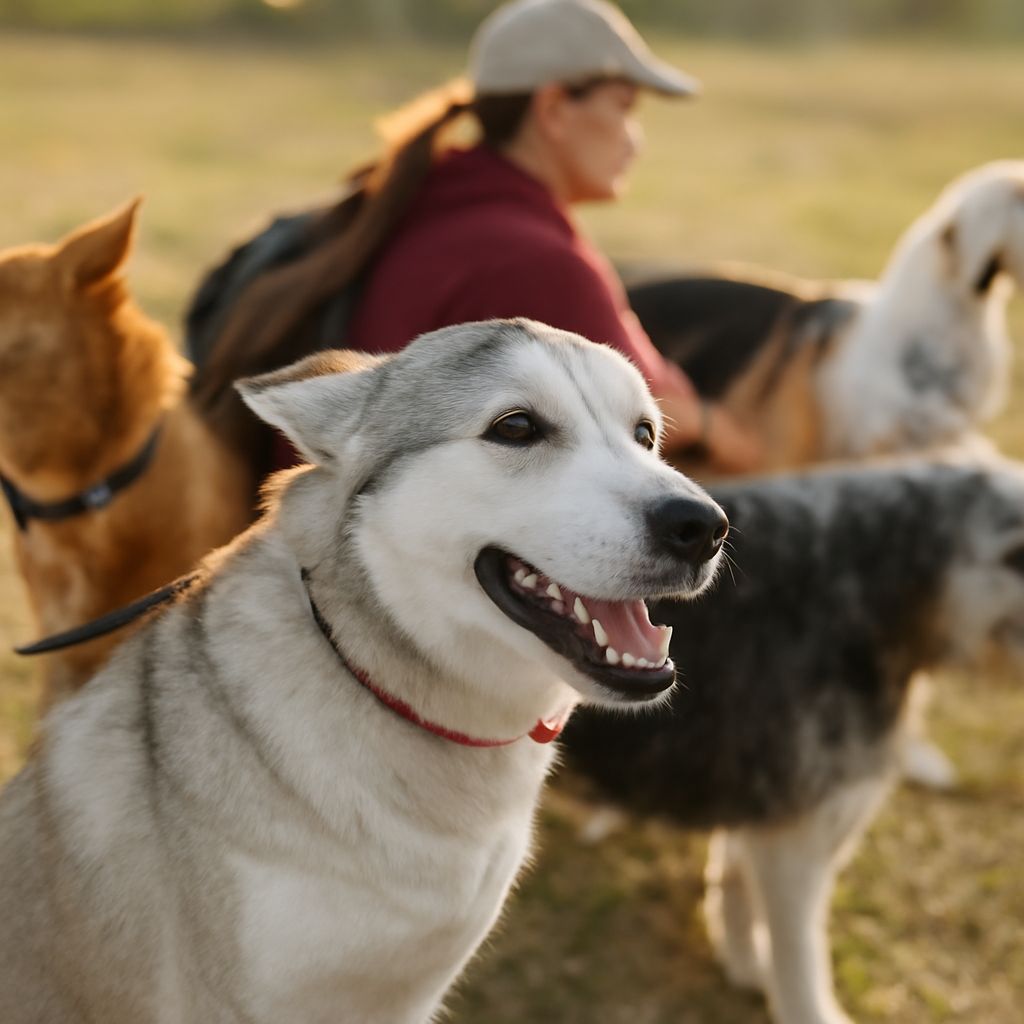
Dog play fighting is an essential part of canine socialization. Although it can appear rough, play fighting allows dogs to exercise and develop their social skills. It’s typically characterized by exaggerated movements, bouncy behavior, and a “play bow” stance. Recognizing these signs is vital for dog owners to distinguish between actual aggression and playful interactions.
Through play, dogs learn bite inhibition and develop their physical strength. These playful bouts also help establish social hierarchies and reinforce bonds between dogs. It’s important for owners to supervise these interactions, ensuring they remain safe and healthy.
Complications from Dog Anesthesia: What to Know
While dog anesthesia complications can occur, they are generally rare when administered by a licensed veterinarian. Understanding the risks and preparing accordingly can significantly reduce potential issues. Pre-anesthetic testing and a thorough health evaluation are essential steps to ensure your dog’s safety during surgery.
Common concerns include adverse reactions, prolonged recovery times, and rare cases of anesthesia failure. However, modern advancements in veterinary medicine have drastically improved the safety and effectiveness of anesthetic procedures. In cases requiring complex interventions, always consult with your veterinarian about the best approach for your pet.
How to Properly Capitalize Dog Breeds
Capitalizing dog breed names follows a straightforward rule: treat them as proper nouns. This means capitalizing the names of specific breeds, such as “Golden Retriever” or “Siberian Husky”. Generic terms that don’t identify specific breeds, such as “terrier” or “hound”, should remain in lowercase unless they start a sentence.
To ensure accuracy, refer to breed registries or officially recognized lists like those from the American Kennel Club or the Fédération Cynologique Internationale. These resources can confirm the correct capitalization and spelling of breed names, helping maintain consistency in written communication.
In summary, capitalizing dog breed names is a simple yet crucial aspect of proper grammar, much like understanding the dynamics of dog play or preparing for anesthesia. Proper application ensures clear communication and reflects a respect for these beloved animals.
Key takeaways: Proper capitalization of dog breeds ensures clarity and precision in communication. Understanding dog play fighting and anesthesia complications enhances pet care. For accurate breed capitalization, refer to reputable sources or consult experts when necessary.