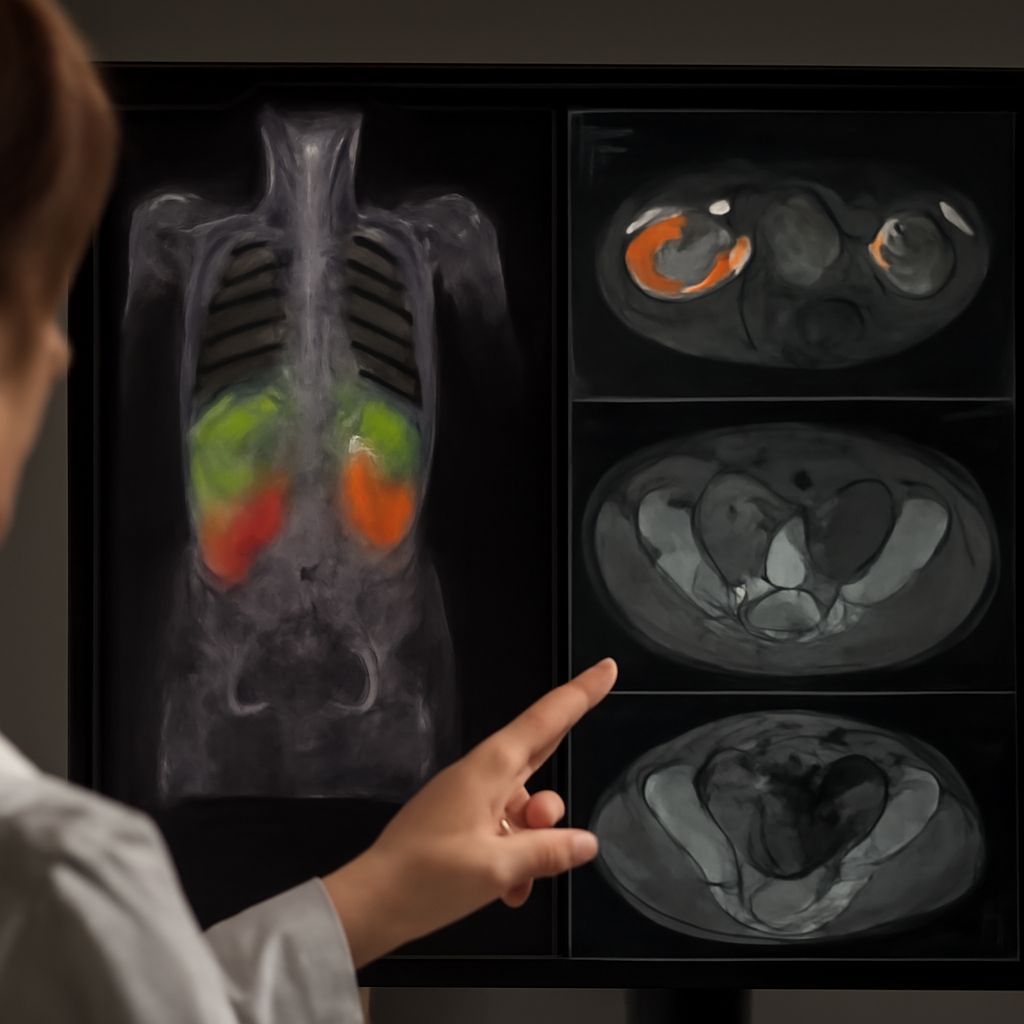
In the realm of prostate cancer diagnosis, misunderstandings often abound about the tools and techniques used to detect this condition. A common myth is that all imaging technologies are created equal, but this is far from the truth. The PSMA PET scan is a specialized imaging technique that stands out for its precision and efficacy. Unlike traditional scans, the PSMA PET scan targets a specific protein expressed in prostate cancer cells, offering a clearer and more accurate picture of the disease.
Another misconception involves the PET scan CPT code. Many think it remains static across different procedures, when in reality, it varies based on the complexity and purpose of the scan. Understanding these variations is crucial for healthcare providers and patients alike, ensuring proper billing and avoiding unnecessary expenses.
What Is a PSMA PET Scan?
The PSMA PET scan is a breakthrough in prostate cancer imaging. It utilizes a radioactive tracer that binds specifically to the Prostate-Specific Membrane Antigen (PSMA) on cancer cells. This enables the identification of even small metastases, which might be missed by conventional imaging methods.
For those dealing with prostate cancer, the development of the PSMA PET scan has been a game-changer. It not only aids in the initial diagnosis but also plays a pivotal role in staging the disease and monitoring treatment response. The precision of this scan reduces the likelihood of overtreatment or undertreatment, enhancing overall patient care.
How Does a PET Scan for Prostate Cancer Work?
A PET scan for prostate cancer involves injecting a radioactive substance that illuminates areas of high chemical activity, typical in cancer cells. This is particularly effective in detecting prostate cancer due to its metabolic characteristics. The high-resolution images produced allow specialists to pinpoint the exact location and extent of the disease.
This technique surpasses traditional imaging by offering a more detailed view of the cancerous regions. As a result, oncologists can tailor treatment plans more accurately, improving outcomes for patients. Regular updates in the field, such as enhancements in tracer technology, continue to refine the sensitivity and specificity of these scans.
What Is the PET Scan CPT Code?
The PET scan CPT code is a critical element for both billing and insurance claims. Each procedure has a specific code, reflecting its complexity and the resources involved. For prostate cancer, the CPT code for a PSMA scan is distinct due to its specialized nature.
Medical professionals must stay informed about these codes to ensure accurate documentation and reimbursement. Misunderstandings about the PET scan CPT code can lead to billing errors and potential financial losses for healthcare facilities. Patients should always consult with their healthcare provider or billing department to understand the charges associated with their specific scans.
Are There Any Synonyms for PET?
In medical parlance, synonyms for PET scans are rarely used, but the term “positron emission tomography” might appear in technical discussions or documentation. This term precisely describes the process of using positrons to create detailed images for medical analysis.
While synonyms for PET are uncommon, understanding the terminology is important for patients navigating their healthcare journey. Familiarity with these terms can facilitate clearer communication with medical professionals and better comprehension of diagnostic reports.
Safety recap: When considering a PSMA PET scan or any advanced imaging for prostate cancer, consult with a licensed medical professional, especially for complex cases. Accurate diagnosis and treatment planning are paramount, and expert guidance ensures the best outcomes.