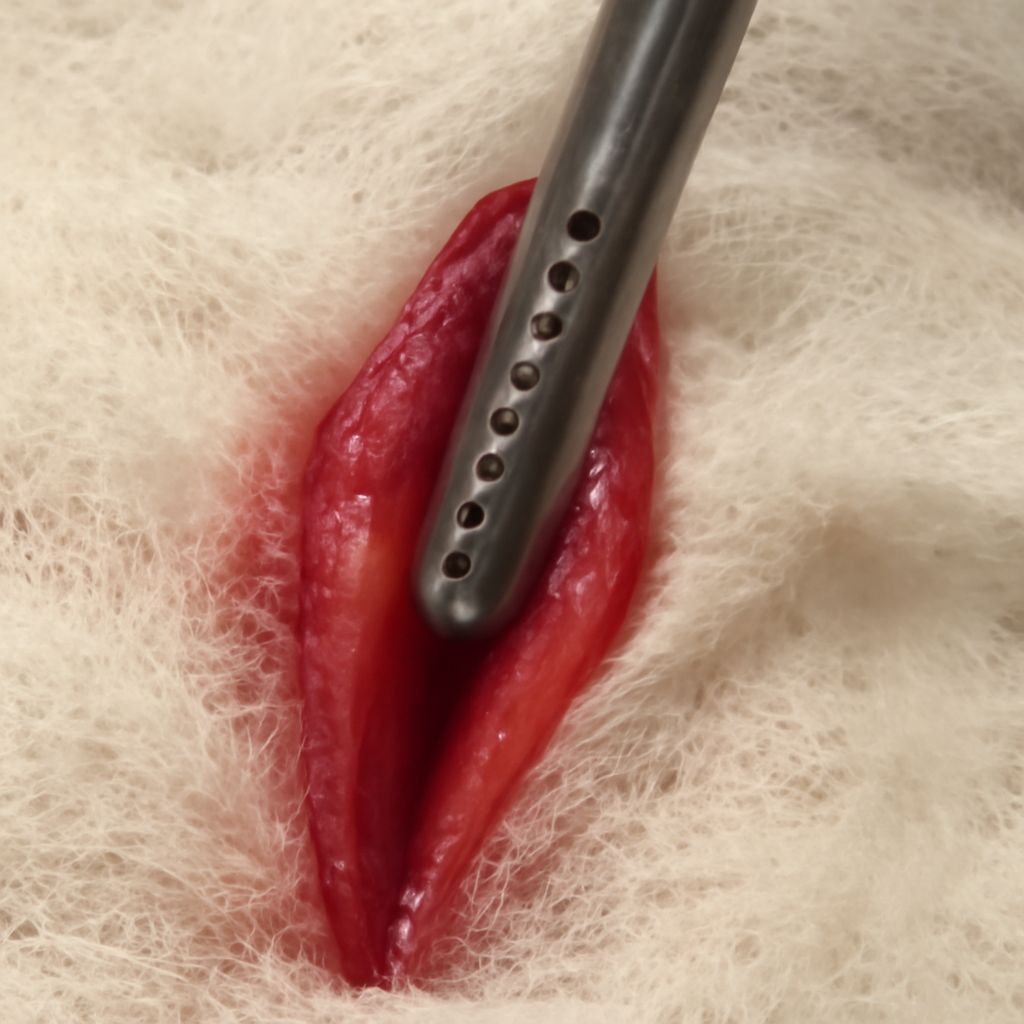
Many pet owners panic when they observe a dog spay incision lump, fearing it to be a sign of something seriously wrong. However, understanding that this lump can be a normal part of the healing process may alleviate some concerns. While it is essential to keep an eye on any changes, most post-surgical lumps are benign and resolve on their own. That said, maintaining a clean environment for both kids and pets is crucial to ensure their safety and well-being, especially after surgery.
In addition to post-surgery care, ensuring that your home and garden are safe environments is vital. This includes using a kids and pets cleaner that does not pose any risk to their health and decorating your outdoor spaces with pet-friendly plants. By creating a safe space for your furry companions, you can help prevent complications and promote a quicker recovery.
What is a Dog Spay Incision Lump?
After a dog is spayed, it’s not uncommon to notice a small lump forming near the incision site. This is often due to a buildup of scar tissue, which is a natural part of the healing process. It’s important to monitor this area for any changes, such as increased size, redness, or discharge, which might indicate infection or other complications. If the lump persists or you notice any concerning symptoms, consulting a veterinarian is advisable.
How to Use a Kids and Pets Cleaner Safely
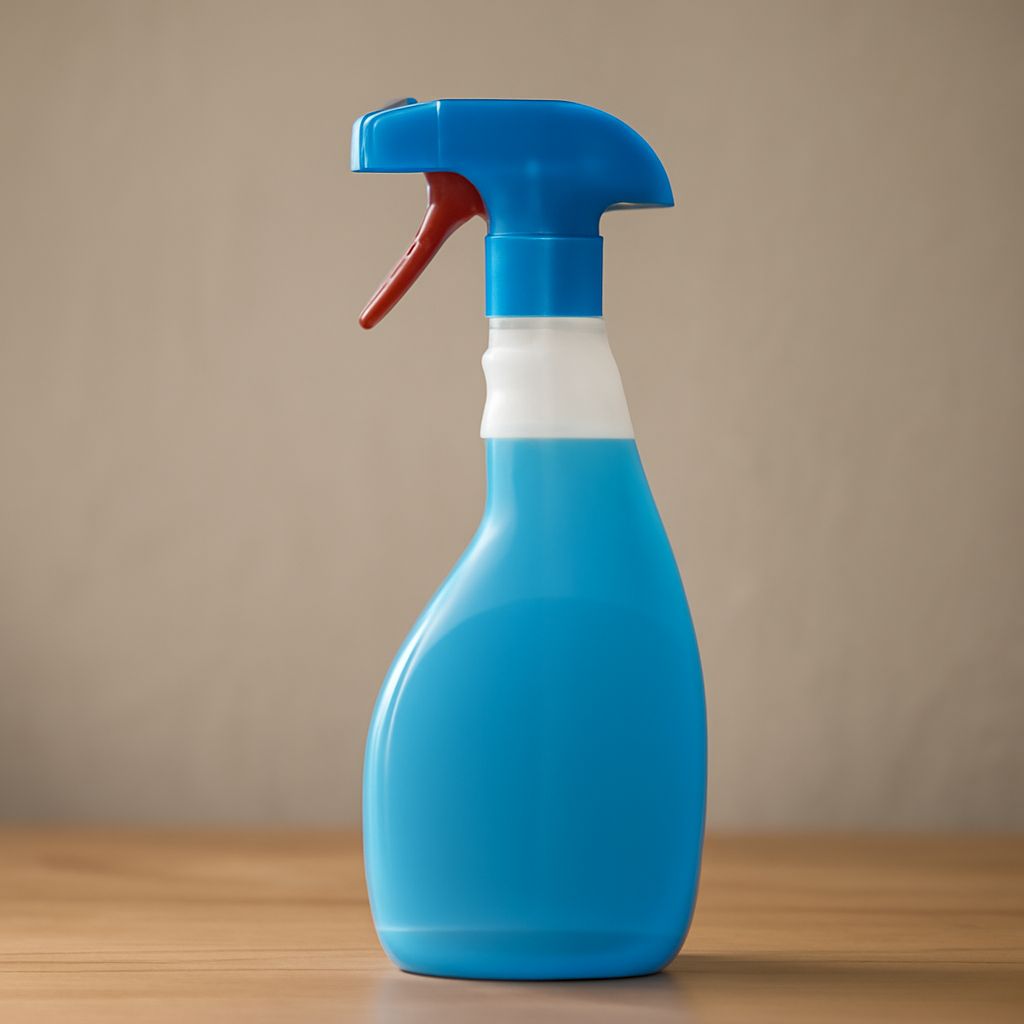
Choosing a cleaner that is safe for both kids and pets is paramount in maintaining a healthy environment. These specially formulated cleaners are designed to minimize harmful residues that could be hazardous if ingested or touched. It’s important to follow the instructions on these products carefully. Ensure that the cleaning areas are thoroughly dried before allowing pets or children to enter the space again. This helps prevent any accidental exposure to chemicals.
Regular cleaning of common areas is essential to reduce the risk of infection, especially when a dog has just undergone surgery. Using a cleaner that is friendly to both kids and pets ensures that you are not compromising their health for the sake of cleanliness.
What Are the Best Pet Friendly Outdoor Plants?
Creating a pet-safe outdoor environment involves selecting plants that are non-toxic to dogs. Some of the best options include marigolds, lavender, and snapdragons. These plants are not only beautiful but also safe should your pet decide to nibble on them. Avoid using plants like lilies and azaleas, which are known to be toxic to pets.
Incorporating pet-friendly plants into your garden helps avoid the risk of accidental poisoning and creates a safe space for your pets to play and explore. Always research new plants before introducing them to your garden to ensure they are safe for all your household members.
Why It’s Important to Monitor Post-Surgery
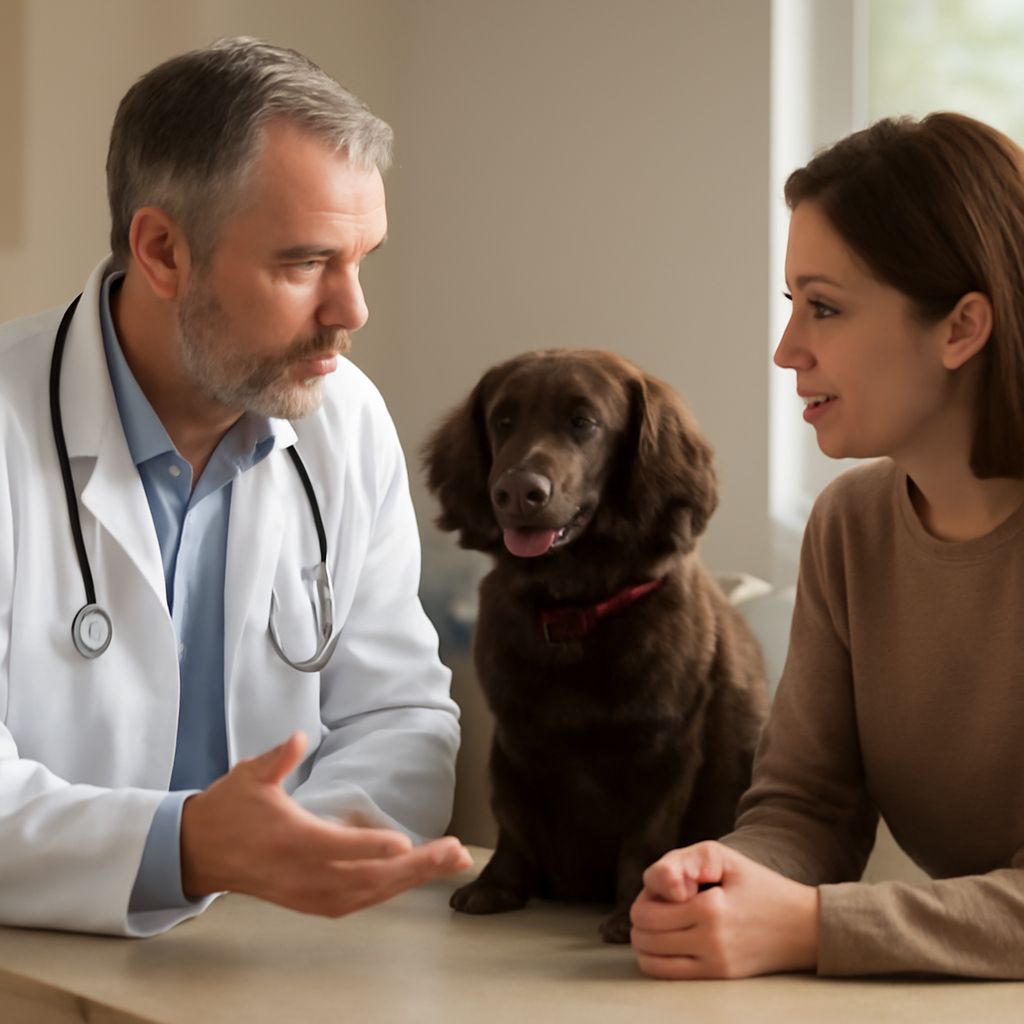
Monitoring your dog post-surgery is crucial to ensure a successful recovery. Observing their behavior and physical changes can help identify potential issues early on. A dog spay incision lump often requires nothing more than regular observation, but any changes should be reported to a veterinarian promptly.
Post-operative care doesn’t just stop at physical monitoring; it also includes providing a stress-free environment and ensuring that your pet has a comfortable, clean space to rest. This includes using kid and pet-safe cleaners and maintaining a hazard-free yard with safe plants.
By being vigilant and proactive, you can help your pet recover from surgery with minimal complications, ensuring both the safety and happiness of your children and pets.