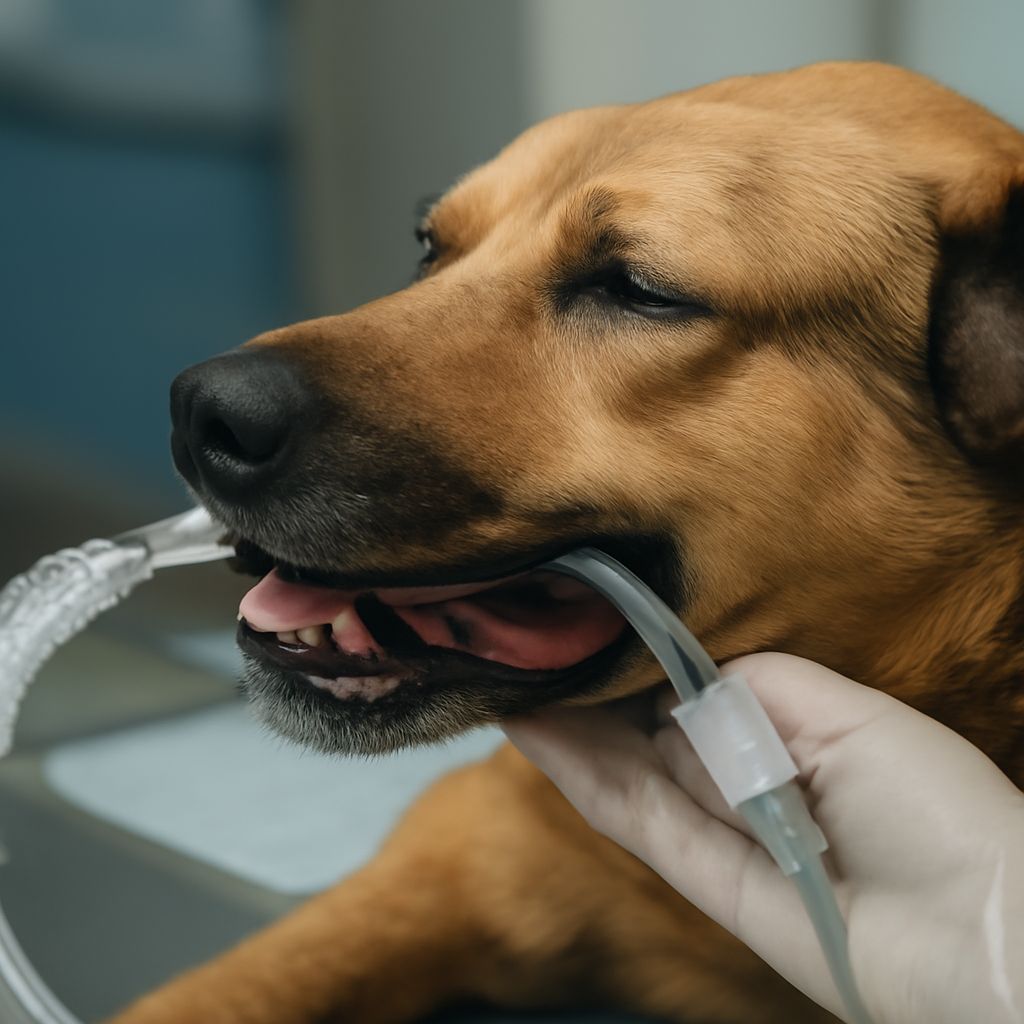
Many dog owners believe that collecting a urine sample from their pet is a complex and daunting task. However, gathering this sample is essential and can actually be quite straightforward with the right approach. Understanding the significance of this process not only aids in ensuring your dog’s health but also facilitates early detection of potential issues. Moreover, using a pet recovery collar, especially after surgery, plays a crucial role in safeguarding your dog’s recovery and overall well-being.
In this guide, we will delve into why collecting a urine sample is vital, how to do it effectively, and the role of tools like a dog medical collar in your pet’s post-surgery recovery journey. These insights aim to demystify the process and empower you with the knowledge to care for your canine companion.
Why Collecting a Urine Sample is Important
Collecting a urine sample from your dog provides a window into their health. Veterinarians analyze urine samples to detect urinary tract infections, kidney disease, diabetes, and other health conditions. Regular urine checks are an integral part of preventive care, allowing for the early diagnosis of potential ailments.
Moreover, urine samples can reveal dietary imbalances, dehydration, and even issues related to your dog’s medication. By understanding the importance of these samples, pet owners can proactively manage their dog’s health, ensuring a longer, happier life for their furry friends.
Step-by-Step Guide to Collecting a Urine Sample
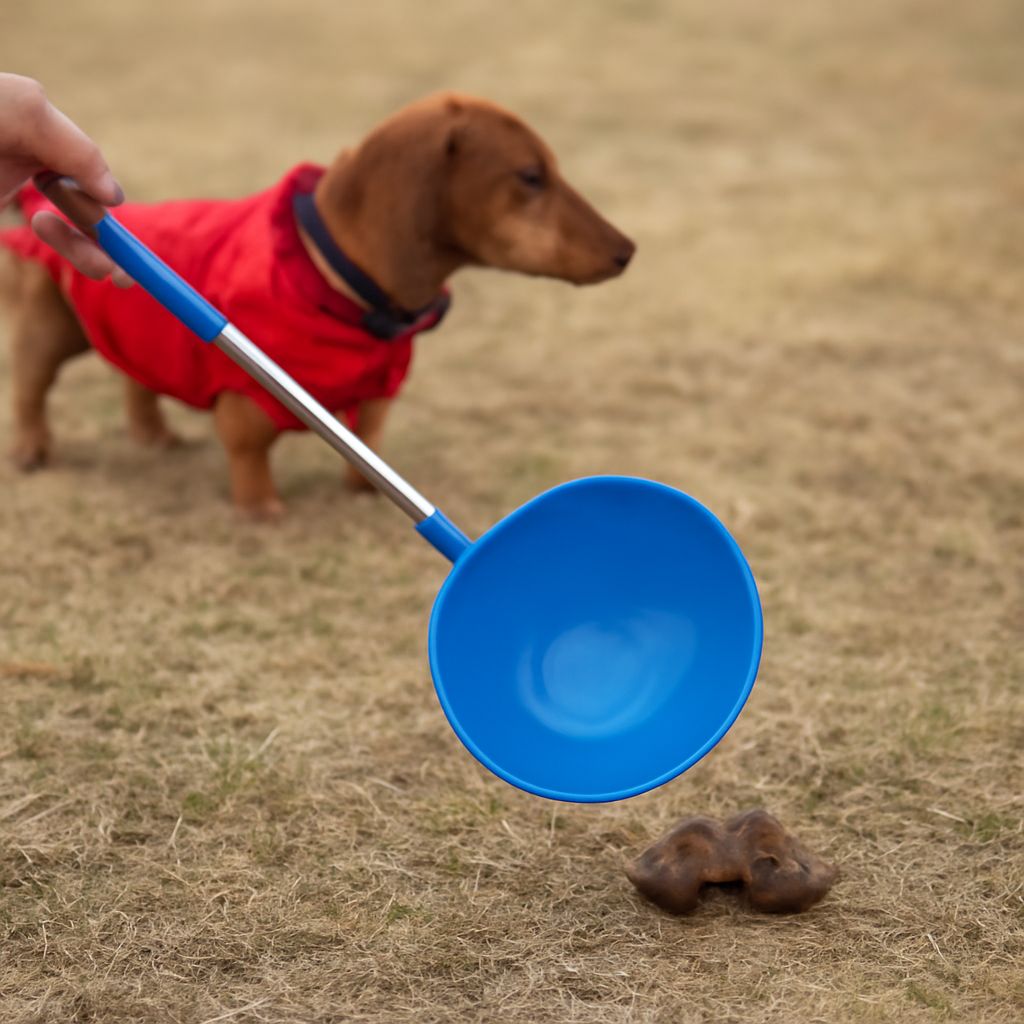
To effectively collect a urine sample from a dog, wait for a time when your dog usually urinates. Arm yourself with a clean, dry container like a shallow cup or a ladle for easier access. When your dog begins to urinate, carefully slide the container under the stream, ensuring you collect a midstream sample for optimal results.
It’s crucial to label the sample with your dog’s name, the date, and the time of collection. This information assists veterinarians in providing an accurate assessment. If you’re unsure about any step, consult your veterinarian for guidance on proper collection techniques or alternative methods.
Using a Dog Medical Collar After Surgery
What is a Dog Medical Collar?
A dog medical collar, commonly known as an e-collar or Elizabethan collar, is a protective device worn around a dog’s neck. It prevents dogs from biting or licking surgery sites, wounds, or other sensitive areas, thus promoting healing and reducing the risk of infection.
Benefits of Using a Pet Recovery Collar
Employing a pet recovery collar post-surgery is one of the most effective ways to ensure a smooth recovery for your dog. These collars provide a physical barrier that deters your pet from disrupting the healing process. Additionally, they can help alleviate stress for both the pet and owner by reducing the likelihood of complications.
For dogs that show discomfort with traditional collars, alternative options such as inflatable collars or soft recovery collars can offer a more comfortable fit without compromising protection.
Tips for Making the Process Easier
Approaching the urine collection process with calm and patience can significantly ease the task. Familiarize your dog with the collection container beforehand to reduce apprehension. Offering a treat or verbal praise can also create positive associations with the process.
Using a leash during collection helps you maintain control, ensuring your dog stays steady while you retrieve the sample. Early morning collections are often more successful as dogs are usually ready to relieve themselves after a night’s rest.
Bottom line: Understanding how to collect a urine sample from a dog and the significance of using a medical collar post-surgery are crucial components of responsible pet ownership. These practices not only enhance your pet’s health but also contribute to their comfort and well-being. Always consult with a veterinarian or a trained canine health professional for personalized advice and assistance.