It’s a common myth that only highly active or older dogs suffer from ACL injuries. In reality, torn ACL in dogs can occur in pets of any age or activity level. Often, unsuspecting dog owners find themselves facing the challenge of managing a cruciate ligament dog injury. The torn ACL is one of the most prevalent injuries among canines and understanding it is crucial for effective treatment and recovery.
Contrary to popular belief, the recovery process for a torn ACL in dogs is not always straightforward. While some might assume a quick fix is available, treatment options for torn ACL in dogs vary significantly based on severity and individual health conditions. By learning about the anatomy, symptoms, and prevention strategies, pet owners can better navigate the complexities of these injuries.
What is a Dog’s ACL and Its Function?
Anatomy of the Cruciate Ligament in Dogs
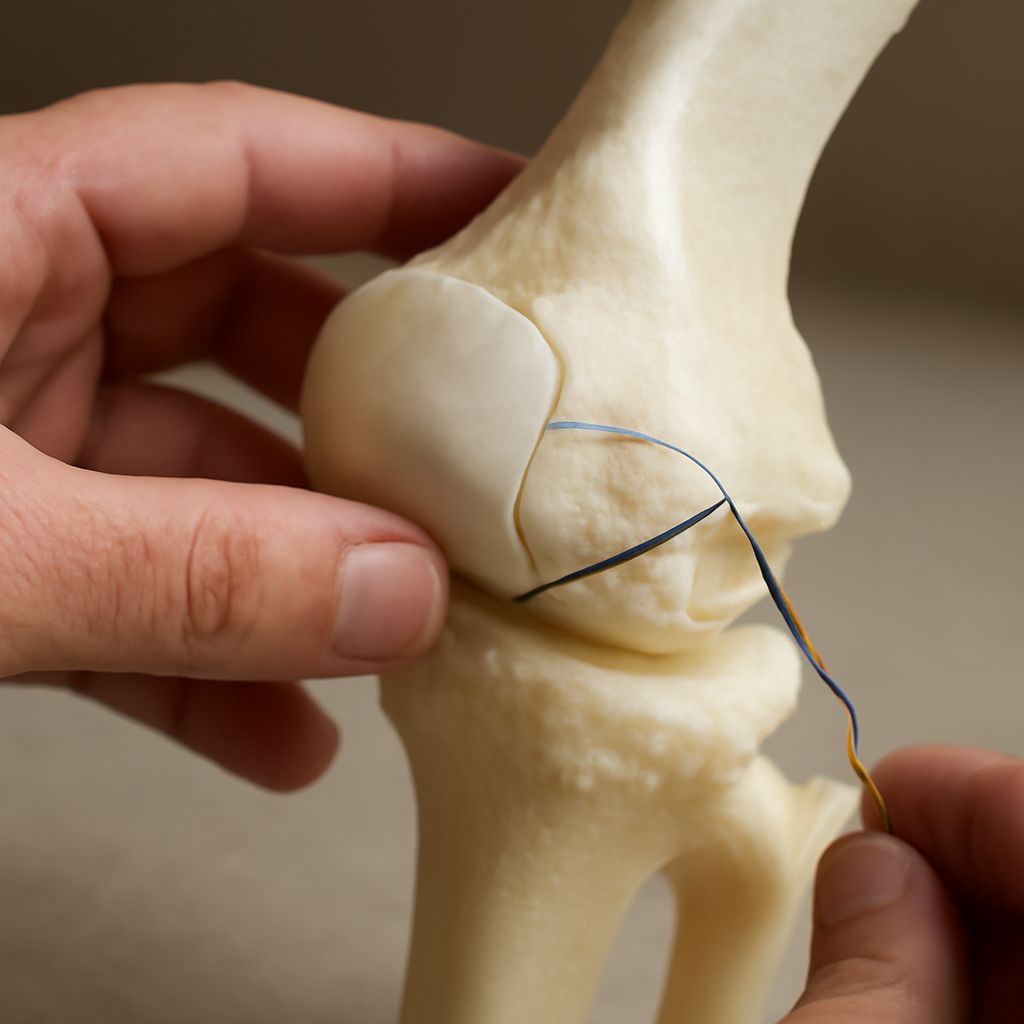
The canine ACL, or anterior cruciate ligament, is a vital part of your dog’s knee joint. This ligament connects the femur to the tibia, providing stability and allowing for smooth motion. In substantial cases, a torn ACL can severely impair a dog’s mobility, causing significant discomfort.
Importance of ACL in Dog Mobility
The ACL helps maintain the dynamic stability of your dog’s knee, which is essential for running, jumping, and general activities. An injured ACL can lead to chronic instability, affecting the dog’s ability to enjoy daily activities and potentially leading to arthritis.
Signs and Symptoms of a Torn ACL in Dogs
Common Symptoms of Torn ACL in Dogs
Typical signs of a torn ACL in your dog include limping, difficulty rising, and an apparent decrease in activity levels. Often, these symptoms can be mistaken for minor injuries or aging, making diagnosis critical.
How to Diagnose an ACL Injury in Dogs
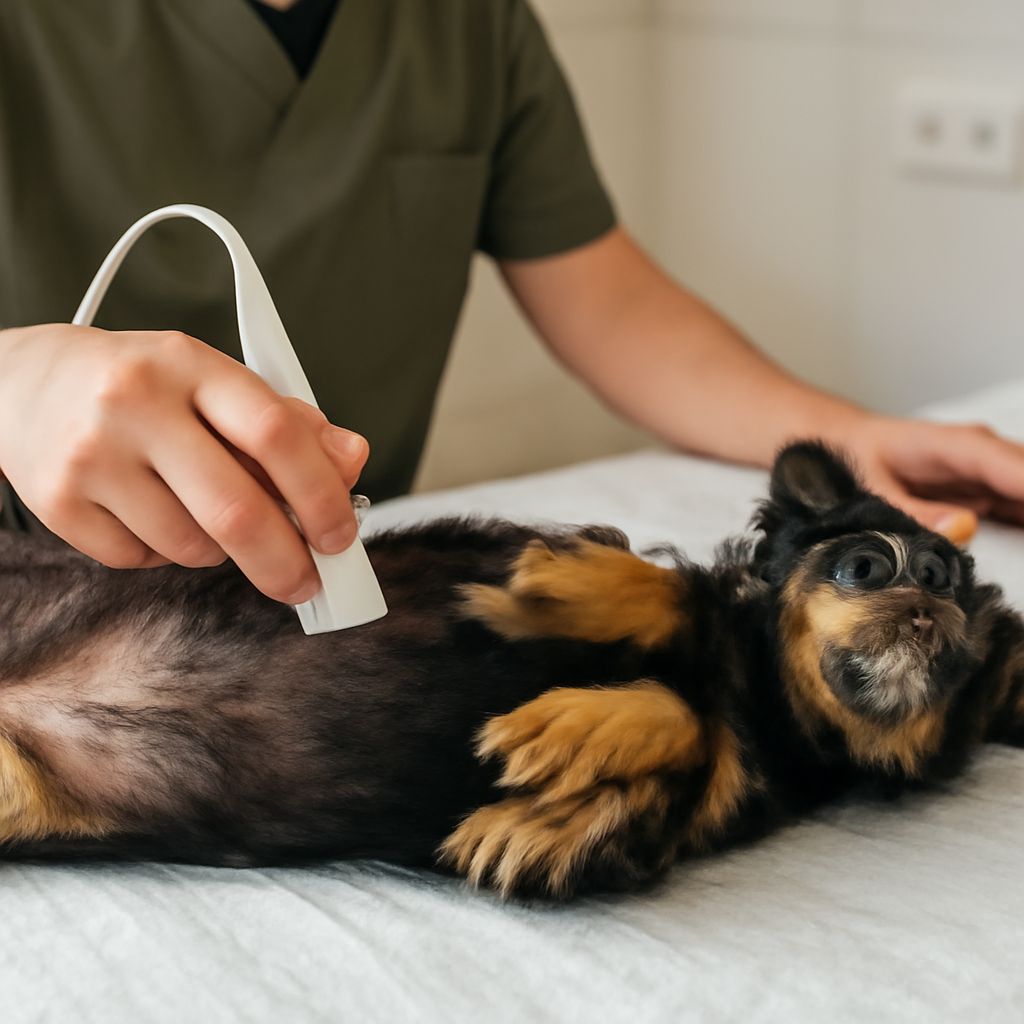
A veterinarian will typically perform physical examinations and may use imaging tests to confirm an ACL injury. Understanding the extent of the injury is crucial for deciding on the appropriate treatment.
Treatment Options for Torn ACL in Dogs
Surgical Treatments for ACL Dog Injuries
Surgery is often the go-to treatment for severe ACL injuries in dogs. Procedures like the Tibial Plateau Leveling Osteotomy (TPLO) or the Tibial Tuberosity Advancement (TTA) are common surgical interventions that can restore stability to the knee joint.
Non-surgical Alternatives for Cruciate Ligament Dog Injuries
In some cases, non-surgical treatments such as physical therapy and weight management may be beneficial. These methods focus on strengthening the surrounding muscles to support the injured knee.
Recovery Process After ACL Surgery in Dogs
Post-surgery, dogs require a carefully monitored recovery regime, including restricted activity and rehabilitation exercises. Correct adherence to the recovery plan is vital for successful outcomes.
Preventing ACL Injuries in Dogs
Tips for Strengthening Your Dog’s ACL
Maintaining a healthy weight and regular exercise are fundamental in preventing ACL injuries. Balanced nutrition also supports joint health and resilience.
Exercises to Prevent Torn ACL in Dogs
Incorporating low-impact activities like swimming or controlled walking can help enhance your dog’s joint strength and flexibility, reducing the risk of ACL injuries.
Safety recap: If your dog shows signs of a torn ACL, consult a licensed veterinarian for an accurate diagnosis and appropriate treatment plan. Proper care and adherence to post-treatment guidelines are essential for your dog’s health and mobility.