There’s a common myth that training a guard dog is merely about teaching aggression. This misconception couldn’t be further from the truth. Just like how a dog playing soccer can be delightful yet strategic, training an attack dog requires a blend of skill, patience, and an understanding of canine behavior. It’s not just about defense but ensuring the dog knows when and how to act appropriately.
Similarly, while owning exotic pets like a ring-tailed lemur might seem appealing, the reality can be quite challenging. Such ventures require a deep commitment and understanding of the animal’s needs, which is essential to provide the right environment for both lemurs and dogs alike.
What Are the Basics of Training a Guard Dog?
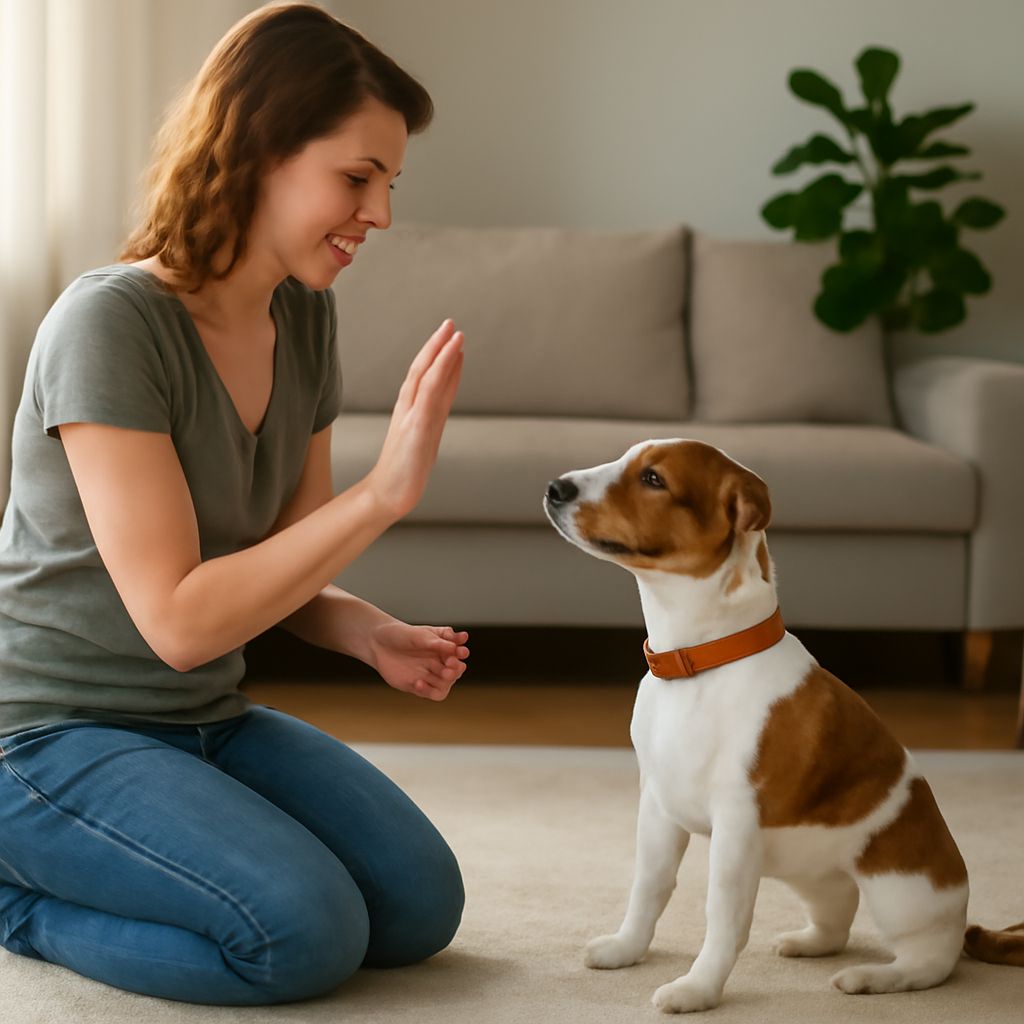
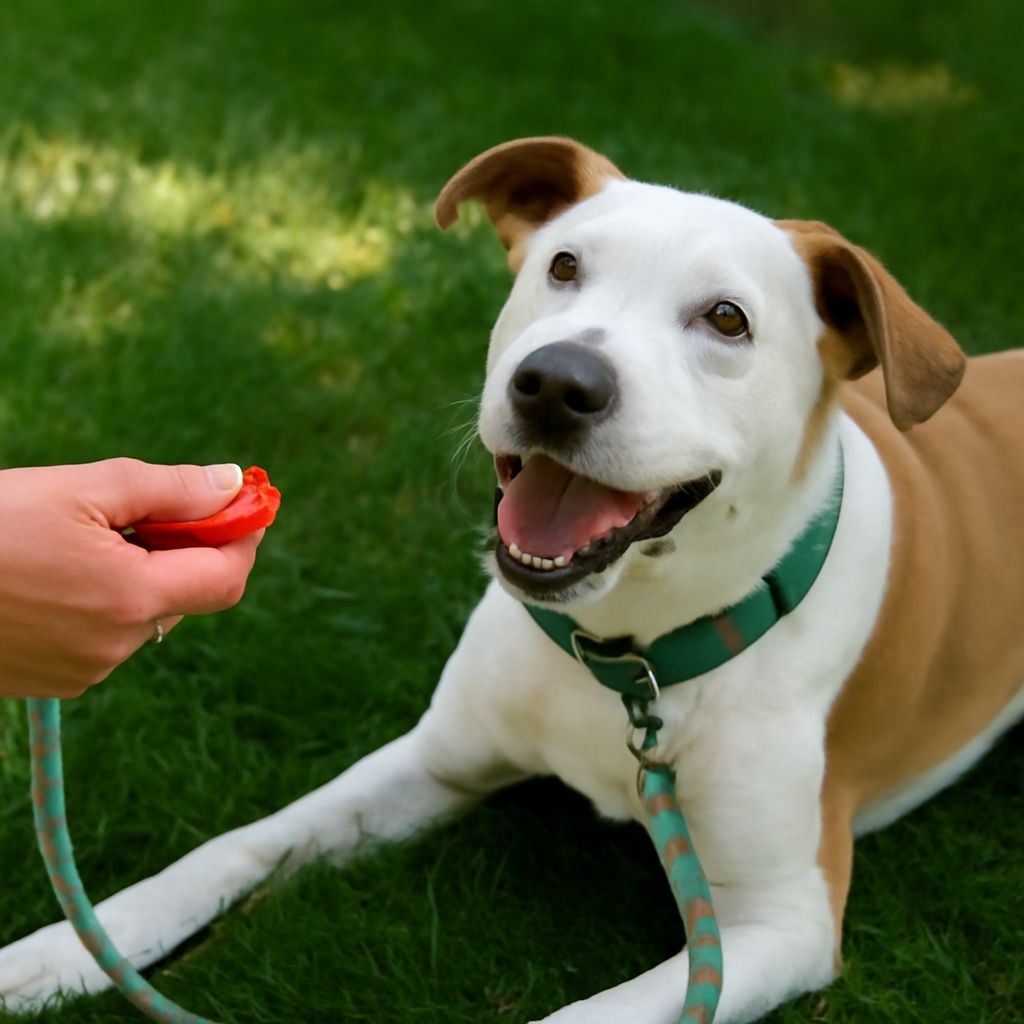
The foundation of training a guard dog lies in building a strong bond between the owner and the dog. Starting with basic obedience commands like sit, stay, and come is crucial. Training should focus on positive reinforcement to encourage desired behaviors, which helps to nurture a well-behaved dog.
Socialization plays a significant role in the initial stages. Exposing dogs to various environments, people, and other animals ensures they develop balanced temperaments. This approach prevents unnecessary aggression while fostering confidence in unfamiliar situations.
How to Train a Guard Dog for Obedience and Protection
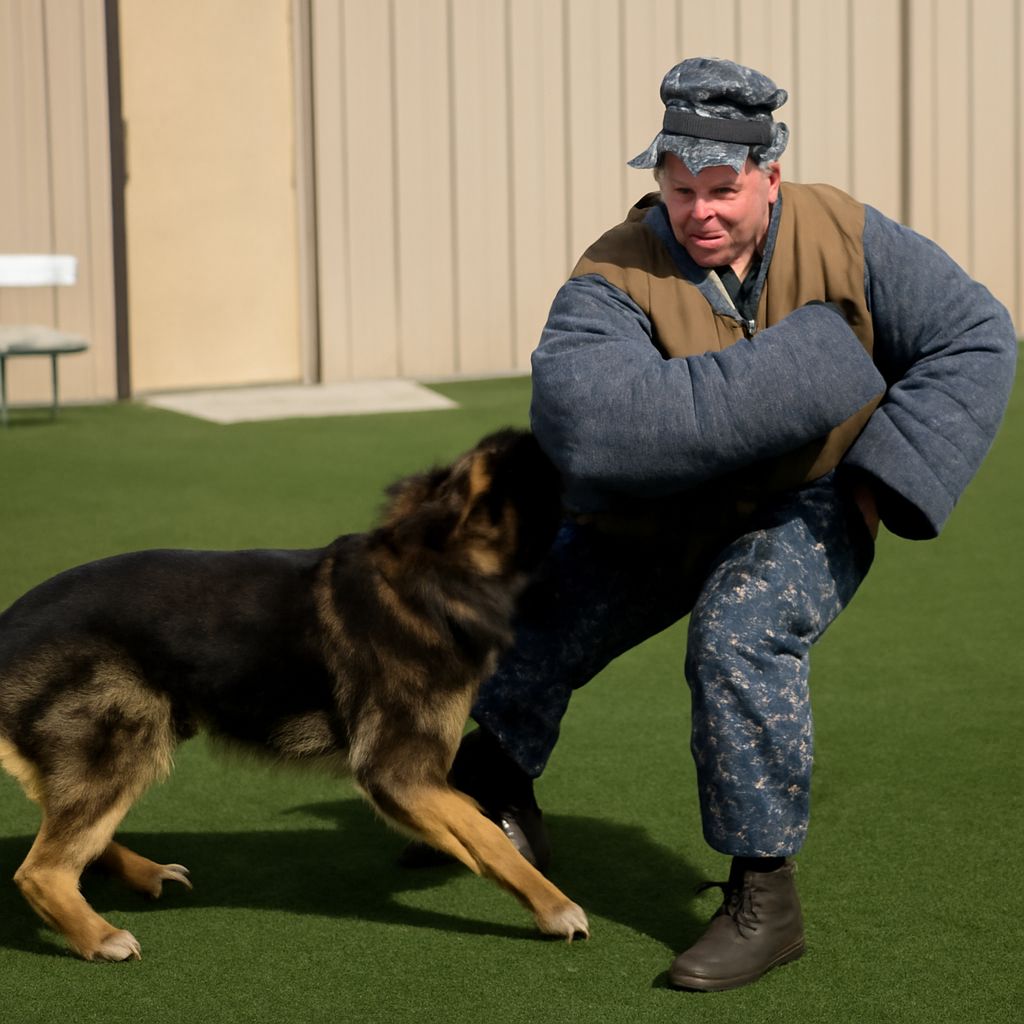
Guard dogs require a structured training regimen that goes beyond basic obedience. Introducing protection training involves teaching the dog to respond to specific cues that signal when to defend. Professional trainers often use controlled scenarios where dogs learn to protect their territory or handler without unwarranted aggression.
Consistency and patience are key throughout this process. Regular training sessions that reinforce learned behaviors help maintain a dog’s alertness and readiness. Although it may seem similar to training an attack dog, the emphasis remains on control and discipline.
Can Dogs Play Soccer and What Role Does It Play in Training?
Engaging a dog in activities like soccer can be an excellent way to enhance their physical fitness and mental acuity. Playing soccer with dogs is not just fun but also serves as a mental challenge and a bonding activity. It sharpens their reflexes and encourages teamwork, both of which are valuable in guard dog training.
Such games help dogs burn off excess energy, reducing the likelihood of unwanted behaviors. A well-exercised dog is generally more focused and receptive during training sessions, making the overall process more effective.
Understanding the Challenges: Should You Have a Ring-Tailed Lemur Pet?
While the idea of owning a ring-tailed lemur might seem fascinating, it is crucial to understand the complexity involved. Lemurs have specific dietary and environmental needs that are challenging to meet in a typical household setting. Potential owners need to weigh the demands against their capacity to provide a suitable habitat.
Additionally, many regions have legal restrictions on owning exotic animals like lemurs. It’s essential to research and comply with these regulations to avoid legal repercussions. Consulting with a licensed wildlife expert can provide valuable insights into the responsibilities of exotic pet care.
Bottom line: Training a guard dog effectively involves commitment to both obedience and protection training, while recognizing the dog’s need for mental and physical stimulation. Meanwhile, owning exotic pets such as lemurs requires a deep understanding of their needs and legal obligations. Always seek professional advice to ensure the well-being of both dogs and any potential exotic pets.