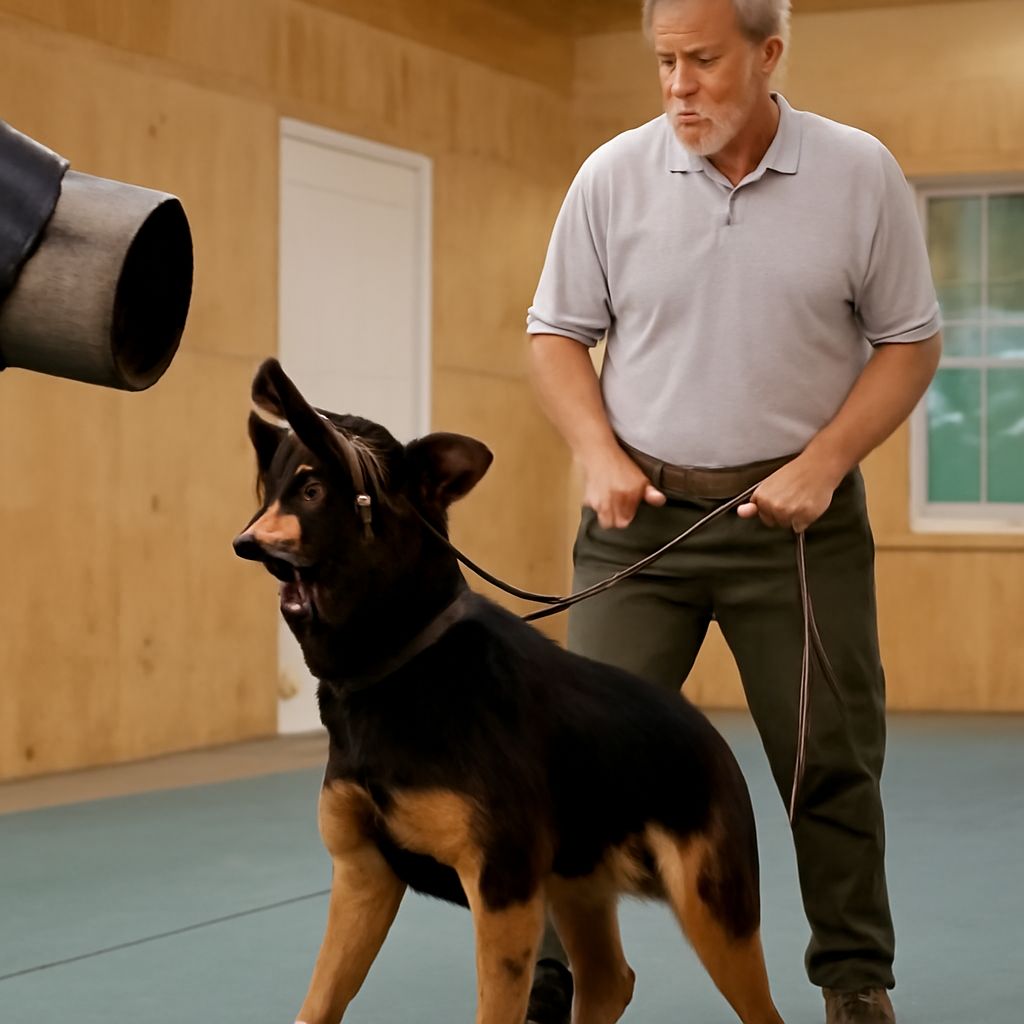
Many misconceptions surround service dog training certification, leaving people confused about the process. Some think only those with disabilities can be involved in training, while others believe certification is unregulated. In reality, becoming a service dog trainer is a structured pathway with clear guidelines and recognized standards. Service dog trainer programs offer organized paths to certification, ensuring trainers are well-equipped to handle the nuances of this specialized field.
The journey to becoming a certified trainer is not solely for those seeking employment; it’s a commitment to enhancing the lives of people with disabilities. Understanding who qualifies for a service dog and what it takes to be a trainer is crucial. Whether you’re exploring top service dog training schools or considering a new career, this guide will illuminate each step of the process.
What is Service Dog Training Certification?
Service dog training certification involves a formal process that ensures trainers are capable of teaching dogs to assist individuals with specific needs. While some people may assume this certification is merely a formality, it is vital for establishing credibility and expertise in the field. Certified trainers are trained in behavior modification, dog psychology, and the legal aspects of service dog training.
This certification is more than just a badge; it signifies a trainer’s commitment to ethical training practices and a thorough understanding of the various types of service dogs, such as guide dogs, hearing dogs, and psychiatric service dogs.
Why Become a Service Dog Trainer?
Becoming a service dog trainer offers numerous benefits beyond fulfilling work. Trainers play a pivotal role in improving the quality of life for individuals who rely on service dogs for assistance. This career path is ideal for those passionate about helping others and working with animals.
Moreover, trainers get the satisfaction of knowing their work directly impacts the independence and well-being of people with disabilities. By providing trained service dogs, trainers contribute to enhancing the safety and functionality of their client’s daily lives.
How to Choose the Right Service Dog Training Schools?
Selecting the right service dog training schools is crucial for aspiring trainers. Prospective students must consider several factors, including the school’s accreditation, curriculum, and hands-on training opportunities. Accredited programs ensure that the education provided meets industry standards and equips students with the necessary skills.
Besides formal education, the best programs incorporate practical experience, allowing students to apply their learning with actual service dogs. This experience is invaluable in understanding the challenges and responsibilities of training service animals.
What Does a Therapy Dog Trainer Do?
A therapy dog trainer specializes in preparing dogs to provide comfort and companionship in various settings, such as hospitals, schools, and nursing homes. These trainers focus on teaching dogs to exhibit calm and comforting behavior, helping to alleviate stress and anxiety in the individuals they visit.
Unlike service dog trainers, therapy dog trainers do not require formal certification, but a deep understanding of dog behavior and positive reinforcement training techniques is essential. Trainers often work with therapy dog organizations to ensure dogs are well-prepared for their roles.
Who Qualifies for a Service Dog?
Not everyone qualifies for a service dog; individuals must have a disability that significantly impairs their daily functioning. Conditions that typically qualify include mobility impairments, visual or hearing disabilities, and certain psychiatric disorders.
Those seeking a service dog must demonstrate how the animal will assist in specific tasks related to their disability. Understanding these qualifications helps trainers tailor their training programs to meet the specific needs of each client.
Bottom line: Pursuing a career in service dog training is a rewarding path that requires dedication and specialized knowledge. By choosing the right educational programs and understanding the needs of those who qualify for a service dog, trainers can make a significant impact in their communities. For complex training situations or legal advice, consulting a licensed professional is recommended.