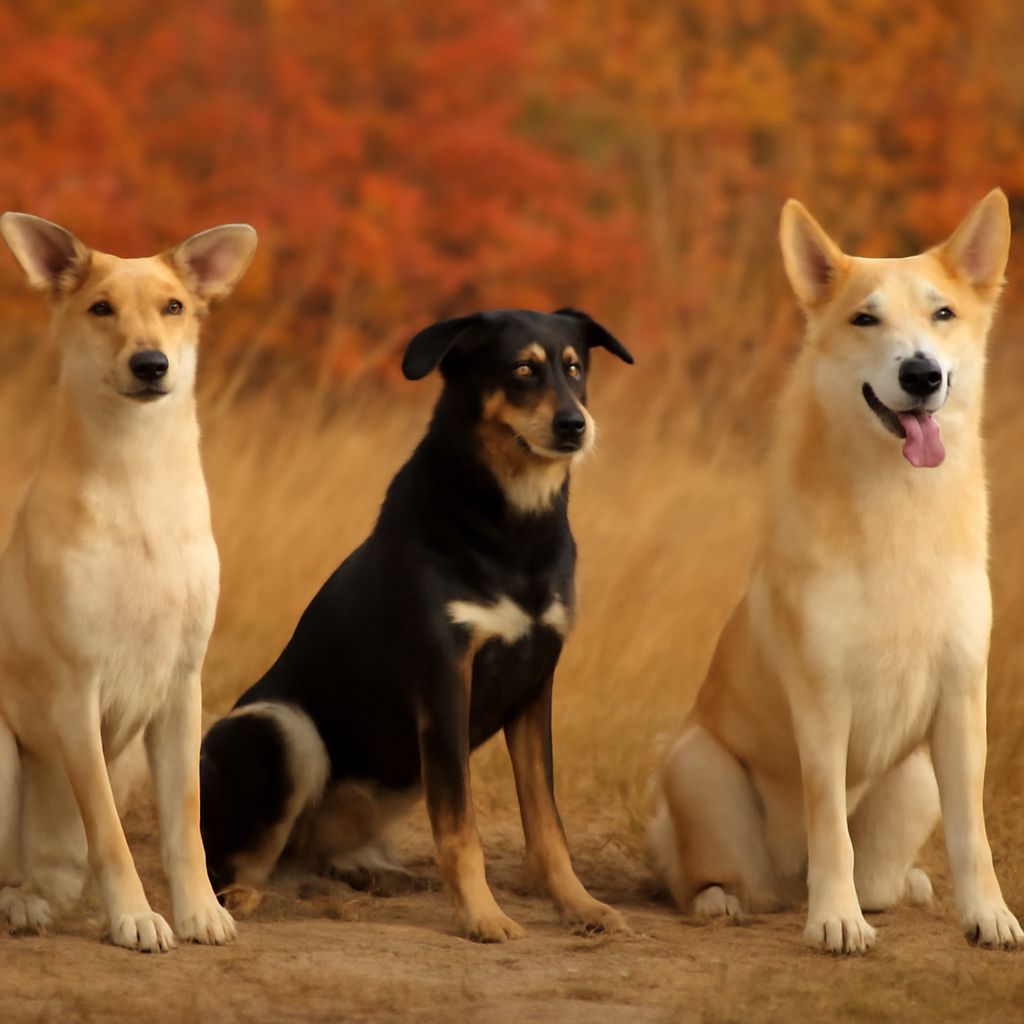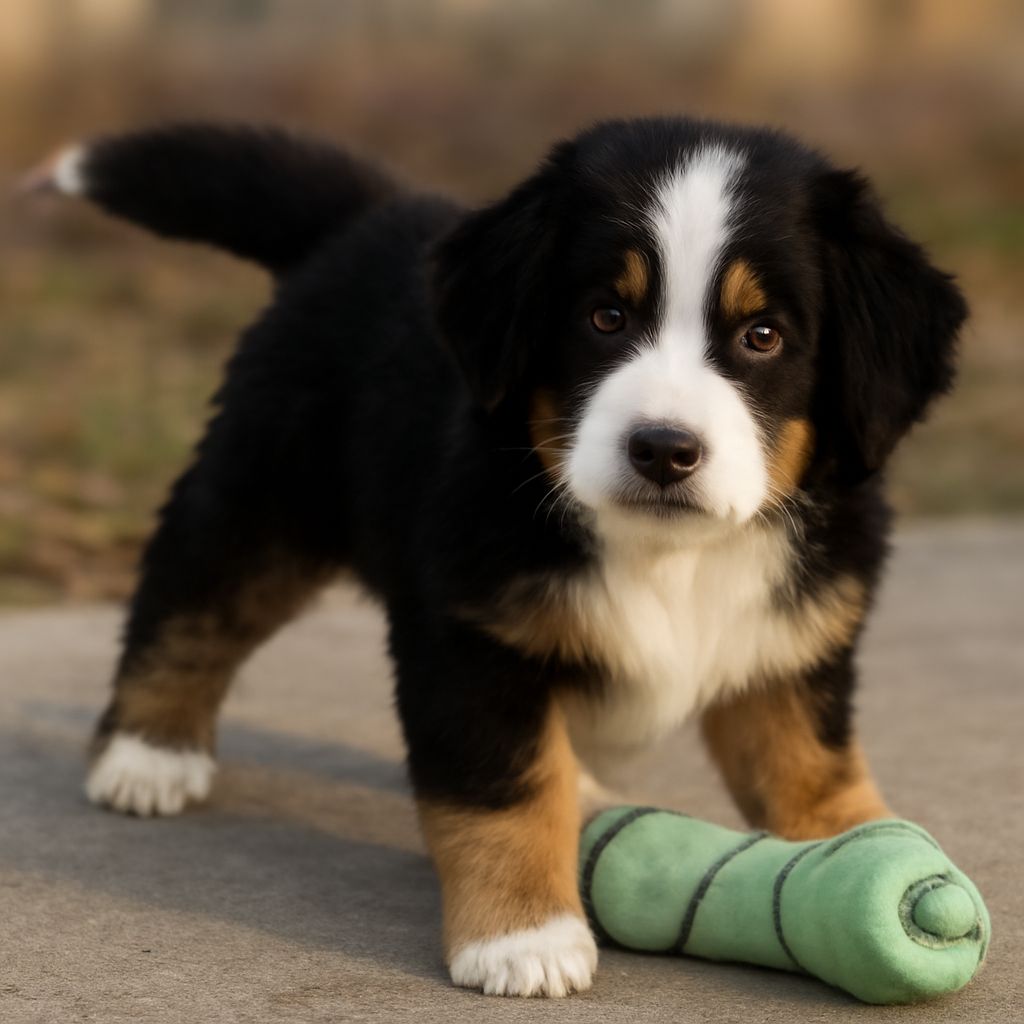
Many dog owners are often puzzled by their pet’s vocal behaviors, particularly howling. It’s a common belief that only certain breeds or neglected pets engage in this behavior. However, the truth is that howling is a natural form of communication for all dogs, regardless of their background. Whether you’re dealing with a Great Bernese, known for its gentle nature, or any other breed, understanding these vocalizations is crucial.
For instance, Great Bernese dogs, part of the shaggy dog breeds category, may howl to express different emotions or needs. While these gentle giants are less prone to excessive barking, they may howl occasionally, which can signal anything from excitement to health issues like otitis externa. To address this, providing them with engaging activities, such as playing with durable and tuff dog toys, can be quite effective.
Why Do Dogs Howl?
Understanding the Causes of Howling
Dogs howl for a variety of reasons, many of which are instinctual. It can be a response to high-pitched sounds, such as sirens, or a way of marking their territory. Some dogs howl to signal their presence or to call back to their pack members. Others may do so due to separation anxiety or boredom. Understanding these causes can help dog owners address the underlying issues effectively.
Howling Across Different Breeds
Different breeds exhibit varying tendencies to howl. While all dogs have the ability to howl, breeds such as Huskies and Beagles are more prone to this behavior due to their ancestral traits. On the other hand, breeds like the Great Bernese might howl less frequently but can still do so under certain circumstances. Recognizing the specific triggers for each breed can aid in managing this behavior.
What to Know About the Great Bernese Dog
Traits and Characteristics
The Great Bernese is a mix between the Bernese Mountain Dog and the Great Pyrenees. Known for their gentle disposition, these dogs make excellent family pets. They are typically calm, loyal, and protective, with a strong inclination to bond with their family members. Despite their size, they are usually well-mannered and easy to train with consistency and positive reinforcement.
Health Concerns Including Otitis Externa
One of the common health issues in Great Bernese dogs is otitis externa, an inflammation of the outer ear canal. This condition can cause discomfort and lead to increased howling. Regular check-ups and proper ear care are essential to prevent and manage this issue. In severe cases, consulting with a veterinarian is recommended to avoid complications.
Shaggy Dog Breeds and Their Unique Traits
Popular Shaggy Dog Breeds
Shaggy dog breeds such as the Old English Sheepdog, Bearded Collie, and Great Bernese are admired for their distinctive coats and endearing personalities. These breeds often require special care to maintain their unique fur, which can mat easily if not groomed regularly.
Grooming Tips
Regular grooming is crucial for shaggy dog breeds to keep their coats healthy and prevent matting. Brushing several times a week, using the right tools, and occasional professional grooming appointments can help manage their thick fur. For complex grooming needs, especially for beginners, consulting a licensed stylist is advisable.
Choosing Tuff Dog Toys for Active Dogs
Benefits of Tuff Dog Toys
Tuff dog toys are designed to withstand rigorous play, making them ideal for active breeds who love to chew and tug. These toys provide mental stimulation, reduce boredom, and can alleviate howling caused by loneliness or energy overload.
Top Picks for Shaggy and Great Bernese Dogs
For shaggy breeds and Great Bernese dogs, selecting the right tuff dog toys is important. Consider toys that are robust and sized appropriately for their powerful jaws. Brands that specialize in durable, non-toxic materials can offer a wide range of options suitable for different play styles.
Key takeaways: Understanding your dog’s howling is essential for effective communication and care. Regular grooming and appropriate toys can greatly enhance a shaggy dog’s quality of life. For complex health or grooming issues, professional advice is recommended.