In the world of canine obedience, misconceptions about sport dog training collars abound. Many believe these collars are synonymous with harsh discipline, yet they are far from it. The modern sport dog collar is an effective tool for training, offering precise communication and control. Moreover, the versatility of pet trainer shock collars ensures that they can be tailored to fit your dog’s specific needs, making them a valuable addition to any training regimen.
While some pet owners might be tempted to rely solely on personalized pet collars, these do not offer the same range of features as sport dog collars. Personalized collars may be visually appealing, but they lack the functionality to enhance obedience training effectively. Understanding the distinct purposes of each collar type can significantly improve your dog’s behavior and training outcomes.
Why Choose a Sport Dog Training Collar?
Benefits of Using Sport Dog Collars
Sport dog collars are designed to provide clear and consistent cues to dogs, aiding in the training process. These collars are not only adjustable to suit different dog sizes but also incorporate features that can be fine-tuned for various training scenarios. Unlike traditional collars, sport dog collars allow for immediate feedback, which is crucial in reinforcing positive behavior.
With the use of these collars, owners can better manage their dogs’ actions, leading to improved obedience. The precision and range of settings available with sport dog training collars give pet owners the tools needed to communicate effectively with their canine companions.
How Sport Dog Collars Enhance Obedience
By utilizing sport dog collars, pet owners can address specific behavioral issues more efficiently. These devices support a hands-on approach to training, allowing for real-time corrections. This immediacy helps establish a clear understanding between the dog and owner, promoting a more harmonious relationship.
Moreover, the adjustable settings on pet trainer shock collars enable customization to match a dog’s temperament and sensitivity, ensuring that training remains humane and effective.
How to Use a Sport Dog Training Collar Effectively
Setting Up the Collar
Proper setup is essential for the safe and effective use of sport dog collars. Begin by sizing the collar correctly to ensure a snug, yet comfortable fit. It’s important to follow the manufacturer’s instructions carefully when adjusting the settings to match your dog’s specific needs.
Ensuring that the collar is charged and functioning properly is another critical step before beginning any training session.
Training Techniques with Sport Dog Collars
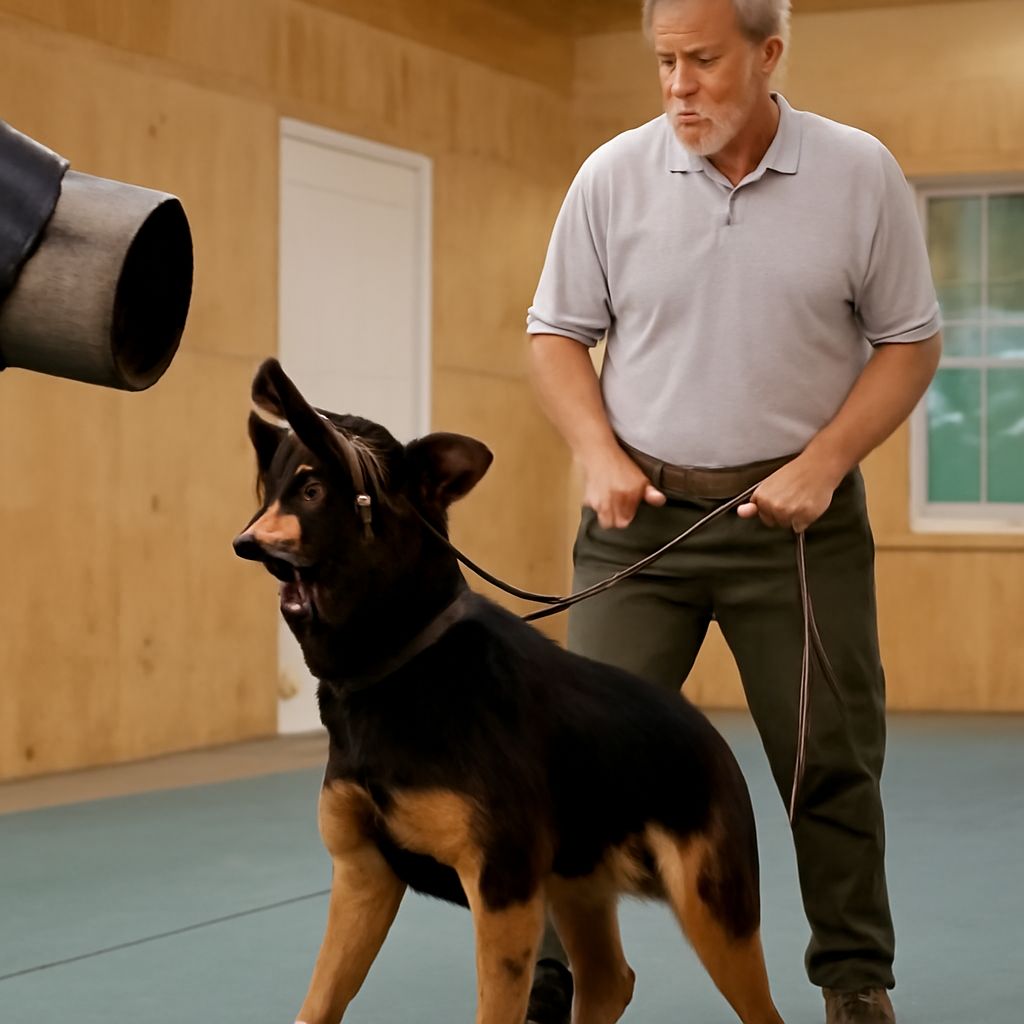
Incorporate sport dog collars into a consistent training routine to see the best results. Begin with basic commands and gradually increase the complexity as your dog becomes more adept. Reinforce positive behavior with rewards and praise to complement the feedback provided by the collar.
Consistency is key; ensure that all family members are on the same page when using the collar to avoid confusing your pet.
Safety Tips for Using Pet Trainer Shock Collars
While pet trainer shock collars are effective, they must be used responsibly. Avoid using the collar for extended periods, and never use it as a form of punishment. Regularly check your dog’s neck for irritation and adjust the collar as needed.
Consulting with a professional dog trainer can provide additional insights into the correct use of these collars, especially if dealing with complex behavioral issues.
Personalized Pet Collars vs. Sport Dog Collars
When to Use Personalized Pet Collars
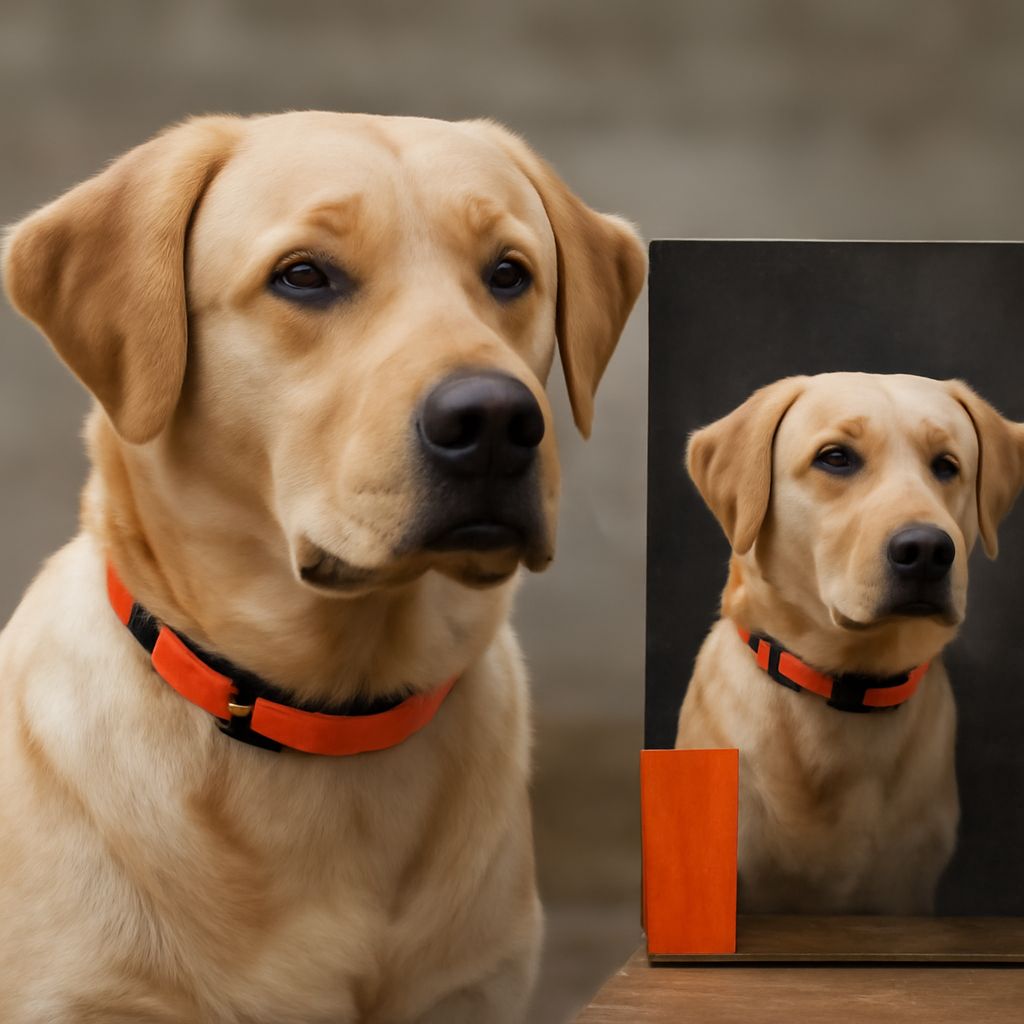
Personalized pet collars serve a different purpose than sport dog collars. They are ideal for showcasing your dog’s identity and can be customized with your contact information. These collars are beneficial for everyday use, complementing more specialized training collars.
However, they should not be relied upon for obedience training, as they lack the feedback mechanisms present in sport dog collars.
Comparing Different Types of Collars
While personalized pet collars offer aesthetic appeal and provide easy identification, sport dog collars bring functionality to the forefront. When deciding between the two, consider your training goals and the specific behavioral challenges you aim to address.
Both types of collars have their place in a well-rounded approach to dog care, and understanding their differences can help you make informed decisions about your pet’s training and wellbeing.