How Often Do You Deworm a Dog?
Many dog owners grapple with the question, “How often should I deworm my dog?” It’s a widespread belief that deworming is an occasional necessity, yet this is a myth that can jeopardize your pet’s well-being. Regular deworming is crucial to prevent the harmful effects parasites can have on your dog’s health. Understanding how often to deworm a dog is essential for maintaining your canine companion’s health and vitality.
Parasites like worms are not just an occasional problem; they can be a persistent threat to your dog’s health. Owners should be proactive in deworming practices to ensure their pets are protected against these parasites effectively. By establishing a consistent deworming schedule, you can safeguard your pet from potential health issues and enhance their overall quality of life.
Understanding Dog Deworming
Why is deworming important?
Deworming is vital because parasites can cause significant health problems in dogs, including malnutrition, anemia, and intestinal blockages. Regular deworming helps keep your pet free from these health issues and maintains their well-being.
Common types of worms in dogs
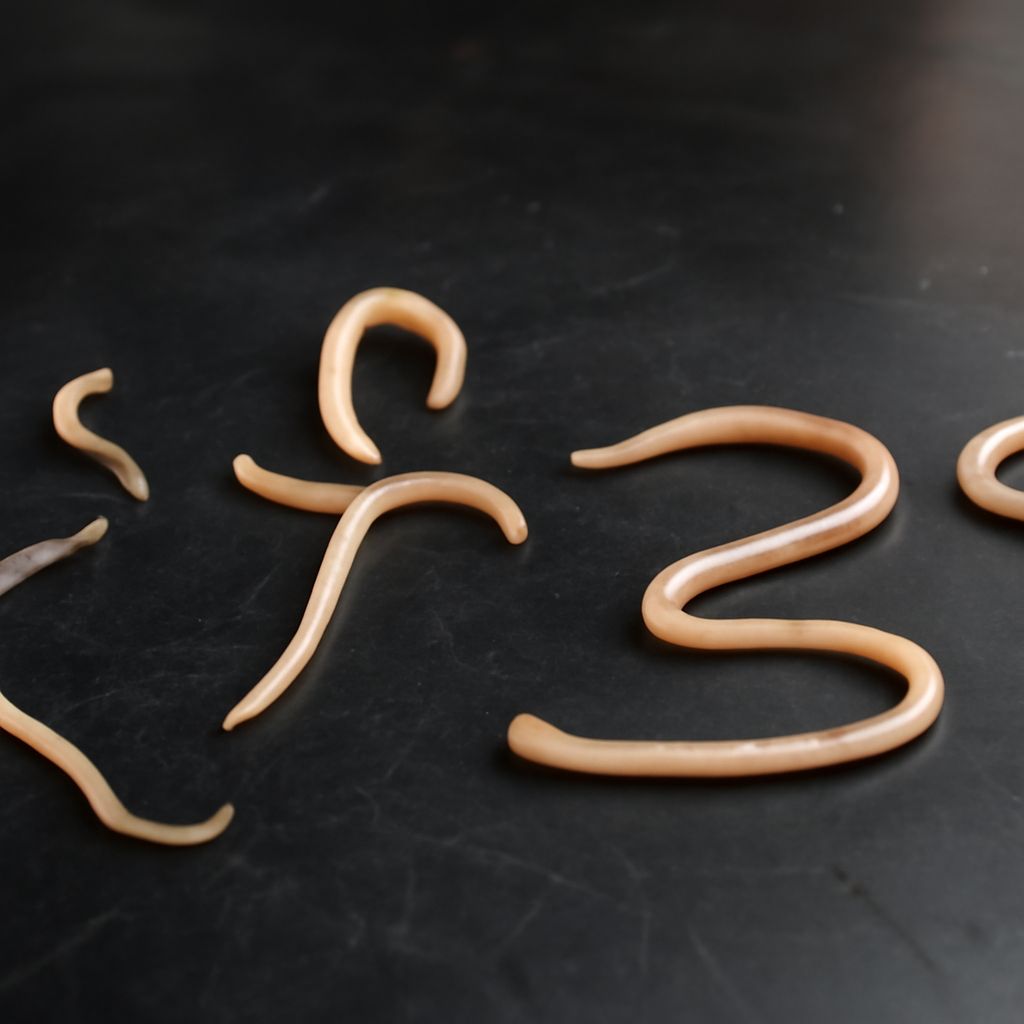
Dogs can be infected with several types of worms, including roundworms, tapeworms, hookworms, and whipworms. Each type of worm presents different risks and symptoms, making it essential to identify and treat them accordingly.
How Often Should You Deworm Your Dog?
Factors influencing deworming frequency
The frequency of deworming depends on several factors, such as the dog’s age, lifestyle, and environment. Puppies require more frequent treatments, while adult dogs may follow a more relaxed schedule.
Recommended deworming schedule
It’s generally recommended to deworm puppies every two weeks until they reach three months, then monthly until six months old. Adult dogs should be dewormed at least every three months, or more often if they are at higher risk of exposure to parasites.
Signs Your Dog Needs Deworming
Physical symptoms
Common physical signs indicating a need for deworming include a bloated abdomen, visible worms in feces, weight loss, and a dull coat. Observing these symptoms should prompt a visit to the veterinarian.
Behavioral changes
Dogs infected with worms may display changes in behavior, such as increased irritability, lethargy, and a decrease in appetite. These signs are a signal to evaluate your dog for potential infestations.
How to Deworm Your Dog Effectively
Choosing the right deworming medication
Selecting the appropriate dewormer is crucial. Consult with your veterinarian to determine the best medication based on your dog’s specific needs and the type of worms present.
Tips for administering dewormer
Administering dewormer can be challenging. Ensure to follow the vet’s instructions and consider disguising the medication in food to ease the process. Consistency is key for successful deworming.
Preventing Worm Infestations
Hygiene practices
Maintaining good hygiene is essential in preventing worm infestations. Regularly clean your dog’s living area, and dispose of feces promptly to reduce exposure to parasites.
Regular veterinary check-ups
Routine veterinary visits are crucial for early detection and prevention of worm infestations. Regular check-ups help monitor your dog’s health and ensure they receive timely deworming treatments.
FAQs About Dog Deworming
Can you deworm a dog too often?
Over-deworming can lead to resistance issues and unnecessary stress on your dog’s body. Follow the recommended schedule to avoid overuse of medication.
What if I miss a deworming session?
If you miss a deworming session, contact your veterinarian for guidance. It’s essential to resume the schedule promptly to maintain your dog’s health.