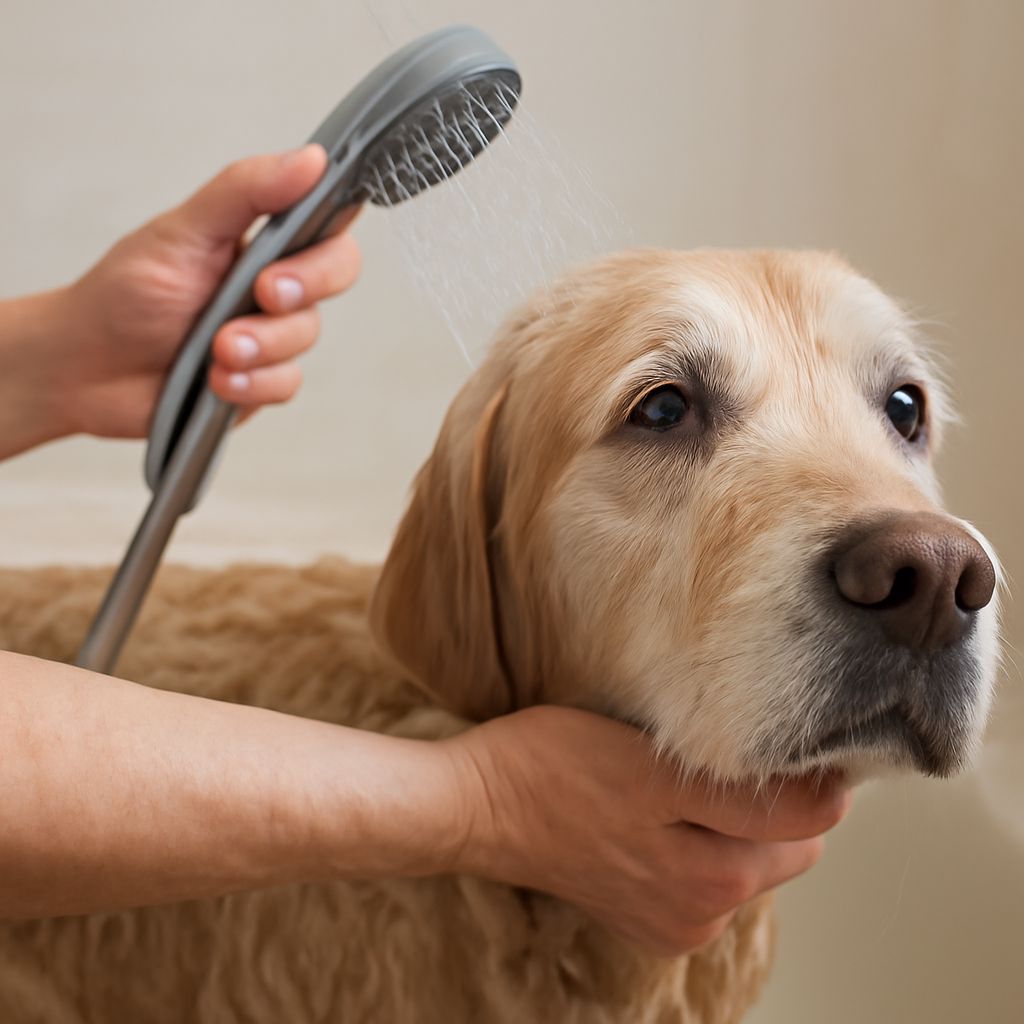
How Often Should You Wash Your Dog: A Practical Bathing Guide
The question of how often should you wash your dog has no single universal answer, and that’s by design. Canine skin and coat biology varies dramatically between breeds, activity levels, and individual health conditions. A working dog that swims weekly has entirely different needs from a toy breed living exclusively indoors.
Contrary to popular belief, how often can you bathe a dog is not limited by some blanket “once a month” rule. Some dogs benefit from more frequent washing; others need far less. Understanding your specific dog’s coat structure, activity, and skin condition is the foundation for deciding how often can i bathe my dog appropriately. Knowing how often can you wash a dog without causing damage protects the skin barrier, and a consistent dog bath how often schedule simplifies your grooming routine.
General Bathing Frequency Guidelines for Dogs
For most healthy adult dogs with average coats and moderate activity, bathing every four to six weeks is a reasonable baseline. This interval allows natural skin oils to redistribute without building up to a point of odor or matting. Dogs with dry or sensitive skin may do better on an eight-week schedule.
Healthy dogs rarely require weekly washing unless medicated shampoos are prescribed for a skin condition. Over-washing strips the sebaceous glands of protective oils faster than they can replenish, leading to flakiness, itching, and increased vulnerability to environmental irritants.
Coat Type and Lifestyle Adjustments
Double-coated breeds — Huskies, Golden Retrievers, German Shepherds — require bathing less frequently than single-coated breeds because their dense undercoat traps oils and debris. Brushing before each bath removes loose undercoat and prevents water from being trapped close to the skin, which can cause hot spots.
Short-coated breeds like Beagles or Dalmatians tolerate bathing more frequently without significant oil disruption. Dogs that spend significant time outdoors, roll in grass or mud, or visit dog parks may need canine washing sessions more often than sedentary household dogs. Dogs with skin conditions such as seborrhea or allergic dermatitis may require medicated baths every one to two weeks — follow veterinary instructions precisely in these cases.
Bathing Too Often: Skin and Coat Consequences
Excessive bathing is a real and common problem among well-meaning owners. Signs of over-bathing include persistent dry skin, visible dandruff, dull coat, and increased scratching. These symptoms are often mistaken for dietary deficiencies or allergies when the true cause is simply too-frequent shampooing.
When the skin barrier is repeatedly disrupted, bacteria and yeast find it easier to establish surface infections. Dogs with already compromised skin — from environmental allergies or breed predispositions — are especially susceptible. A dog canine wash schedule that respects the natural skin cycle prevents these cascading problems.
Products and Technique Matter
Using dog-specific shampoo is non-negotiable. Human shampoos, including baby shampoo, carry pH levels inappropriate for canine skin and accelerate the dryness that comes with over-bathing. Oatmeal-based formulas suit dry or sensitive skin, while tea tree-based products suit dogs prone to mild surface yeast, but should be diluted per label instructions.
Thorough rinsing prevents residue accumulation that causes itching independent of bathing frequency. Incomplete rinsing is one of the most commonly overlooked causes of post-bath scratching. Dry the coat fully — particularly in double-coated breeds — to prevent moisture-related skin irritation between scheduled dog washing sessions.
Bottom line: For most dogs, a bath every four to six weeks balances hygiene with skin health. Coat type, lifestyle, and any existing skin conditions should guide adjustments to that baseline. Always use species-appropriate products and rinse thoroughly to protect the skin barrier between sessions.