Good Dog Breeds for Kids: Choosing a Safe, Child-Friendly Dog
Good dog breeds for kids are determined by temperament, energy level, tolerance for unpredictable handling, and size relative to the children in the household — not by popularity or appearance alone. A dog for kids must have a documented history of gentle behavior with children within the breed standard, not just individual anecdotes. Dog breeds for kids that consistently rank highly in family suitability — Labrador Retrievers, Golden Retrievers, Beagles, and Cavalier King Charles Spaniels — earn those rankings through generations of selective breeding for low reactivity, high pain tolerance, and affinity for human interaction. The best breed of dog for kids in any specific household depends on the ages of the children, the family’s activity level, living space, and how much time adults can commit to training and supervision. Child friendly dog breeds are not inherently safe without proper training and supervised introductions — breed selection is the starting point, not the endpoint, of creating a safe child-dog relationship.
Top Child-Friendly Dog Breeds by Category
High Energy, Active Families
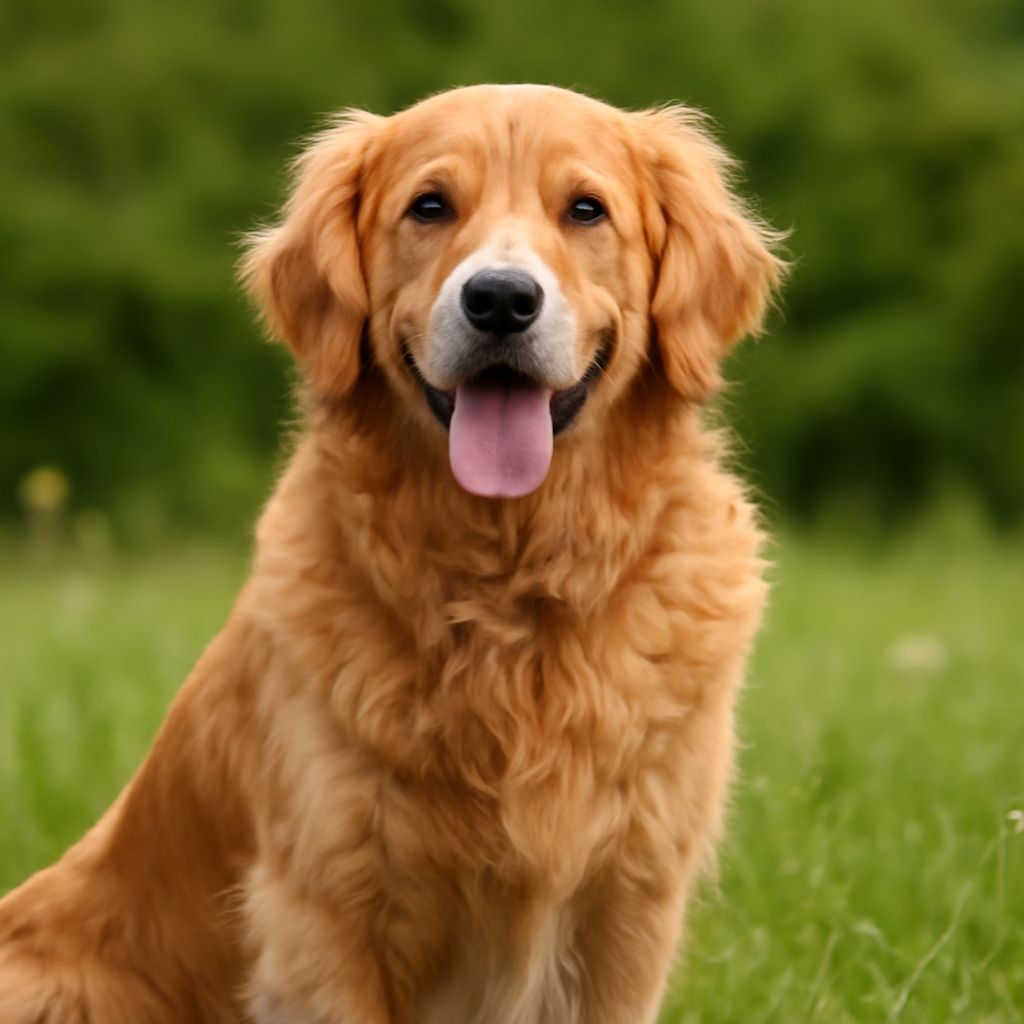
Labrador Retrievers are the archetype of the family dog for active households — their enthusiasm, trainability, and tolerance make them exceptionally well-suited to children of all ages. Golden Retrievers share many of these qualities with a slightly softer temperament, often described as more patient with very young children. Both breeds require substantial daily exercise — a minimum of 45 to 60 minutes — which works naturally in households with active older children who participate in exercise routines. Border Collies offer similar energy but require more mental stimulation and a handler experienced with herding breed intensity.
Calmer, Apartment-Friendly Options
Cavalier King Charles Spaniels are among the gentlest child-friendly breeds — their small size, moderate energy, and characteristically gentle temperament make them adaptable to smaller homes and calmer family environments. Beagles are moderate-energy, sturdy enough to handle enthusiastic children, and their scent-driven curiosity makes them highly engaging companions for older children. Pugs are often recommended for younger children due to their compact size and tolerant nature, though their brachycephalic airway structure requires careful monitoring during exercise and in heat.
What Makes a Dog Truly Child-Safe
Breed selection accounts for perhaps 50% of a dog’s safety around children — the rest depends on socialization, training, and adult supervision. A well-bred Labrador raised with poor socialization, no training, and inconsistent management is a greater safety risk than a well-socialized, trained dog of a breed with a more complex reputation. Every child-dog interaction should be supervised until the child is old enough — typically 8 to 10 years — to reliably read canine body language signals. Teach children to never approach a dog that is eating, sleeping, or in its crate, and to always ask the owner before petting an unfamiliar dog.
Breeds Requiring More Experience in Family Settings
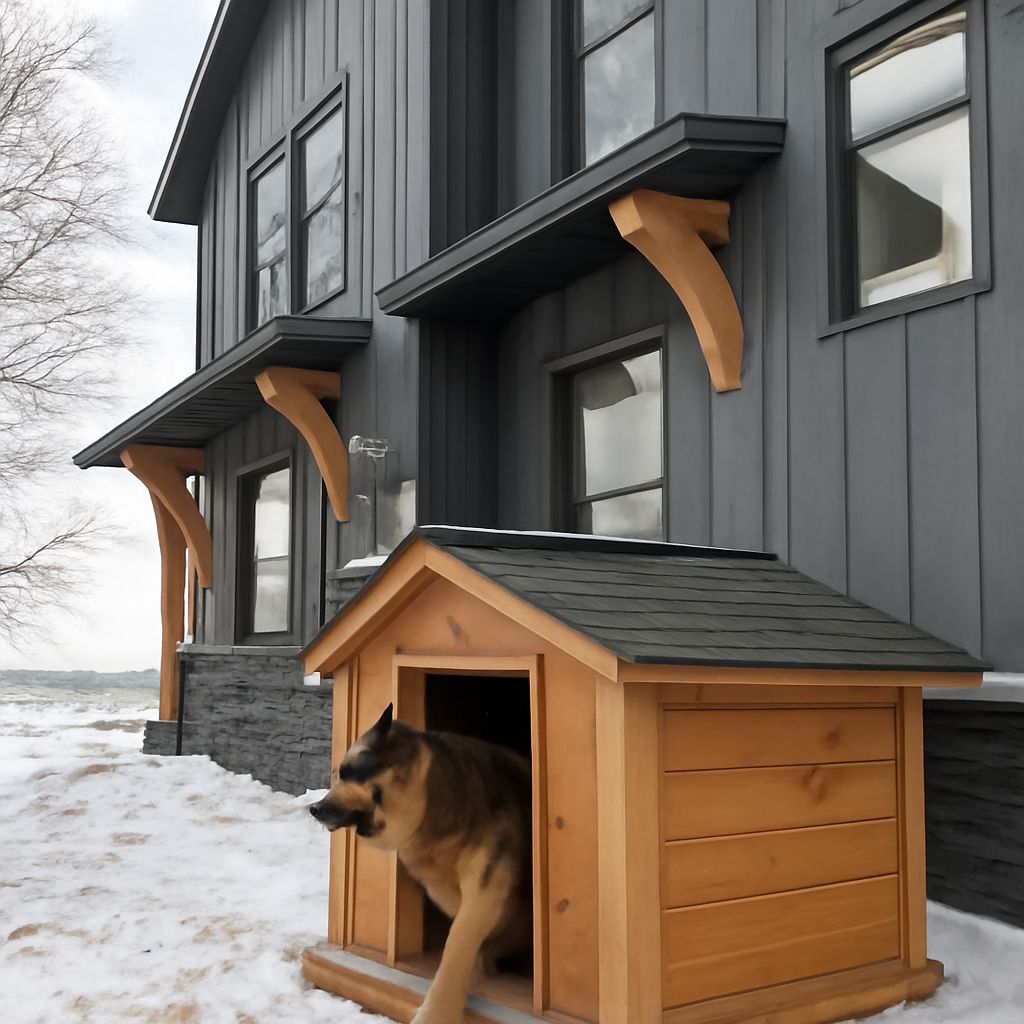
Guardian breeds — German Shepherds, Rottweilers, Dobermans — can be excellent family dogs in experienced hands but carry higher threshold for reactive behavior that requires handlers capable of proper socialization and management. Terrier breeds with strong prey drive — Jack Russell, Cairn, and Airedale — may not tolerate the chaotic movements of toddlers well. These breeds suit older children and families who already have experience managing independent, high-drive dogs.
Key takeaways: Child-friendly breeds provide the temperamental starting point; training, socialization, and supervision determine actual safety. Match energy level and size to your household before selecting a breed, and invest in obedience training from the day the dog arrives.