Dog Head Tilt, Head Shapes, Gila Monster as a Pet, and Sideways Walking
A dog head tilt is one of the most visually distinctive behaviors in dogs — the sideways rotation of the head that owners find endearing is often a sign of engagement with an auditory or visual stimulus, but when it becomes persistent it warrants clinical evaluation. Dog tilting head as a chronic behavior, especially when combined with balance changes, is a neurological or vestibular sign, not a charming personality trait. The gila monster pet question surfaces regularly despite federal and state protections that make private ownership of Heloderma suspectum essentially prohibited across the United States — understanding why is important for anyone researching venomous reptile options. Dog head shapes vary dramatically across breeds, from the dolichocephalic long-nosed profile of Greyhounds to the brachycephalic flattened face of Bulldogs and Pugs, and these shapes have direct implications for health and respiratory function. A dog tilting head and walking sideways simultaneously is a more urgent presentation — this combination typically indicates acute vestibular dysfunction requiring same-day veterinary evaluation.
Understanding Dog Head Tilts: Normal vs. Pathological
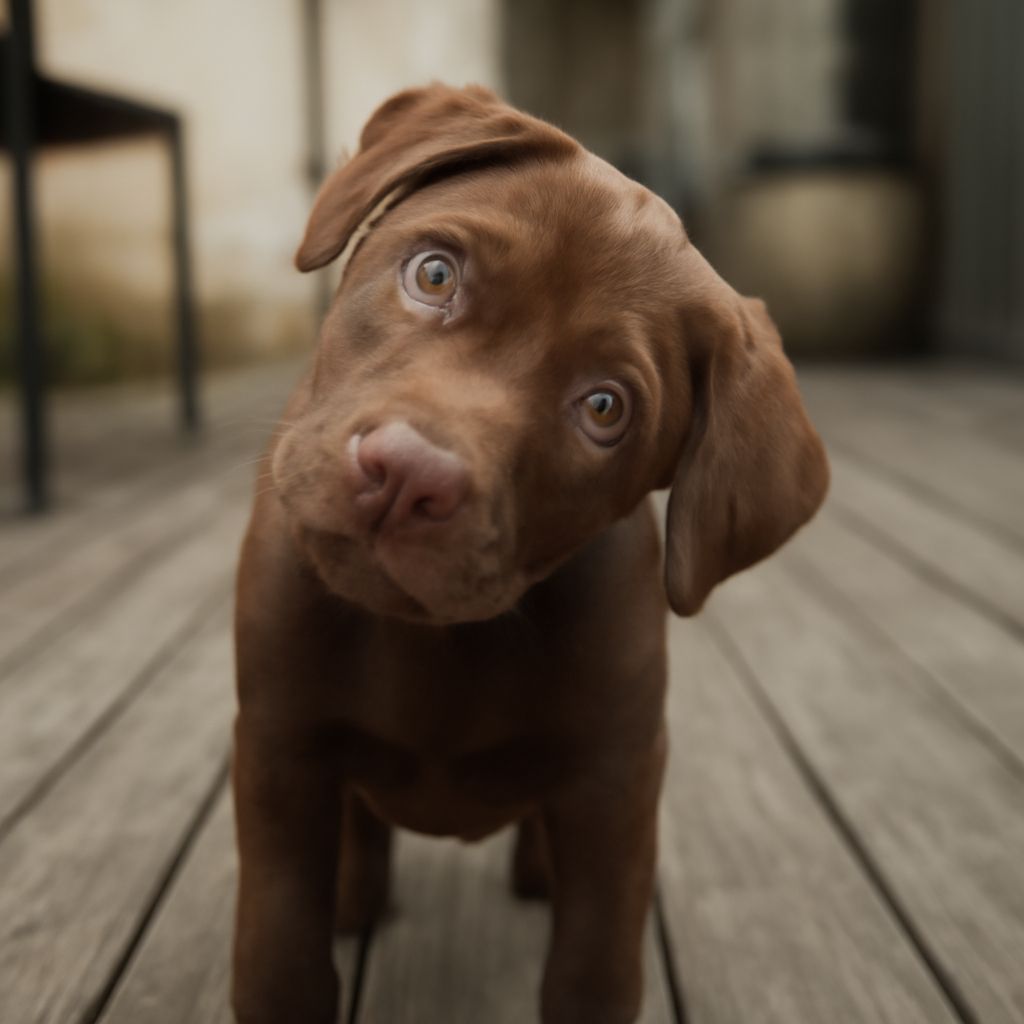
A brief, responsive head tilt when a dog hears an interesting sound is completely normal — it likely improves the dog’s ability to localize the sound source by adjusting pinna position. Persistent head tilting held in one direction, especially combined with rapid involuntary eye movements (nystagmus), circling, or loss of balance, indicates vestibular disease. Idiopathic vestibular syndrome is the most common cause in older dogs — it presents acutely and often resolves spontaneously within 2 to 4 weeks without treatment, though the head tilt may persist as a residual sign. Middle or inner ear infections, polyps, and less commonly brain tumors or inflammatory disease also cause pathological head tilting. A veterinarian should evaluate any persistent or worsening head tilt promptly.
Dog Head Shapes and Health Implications
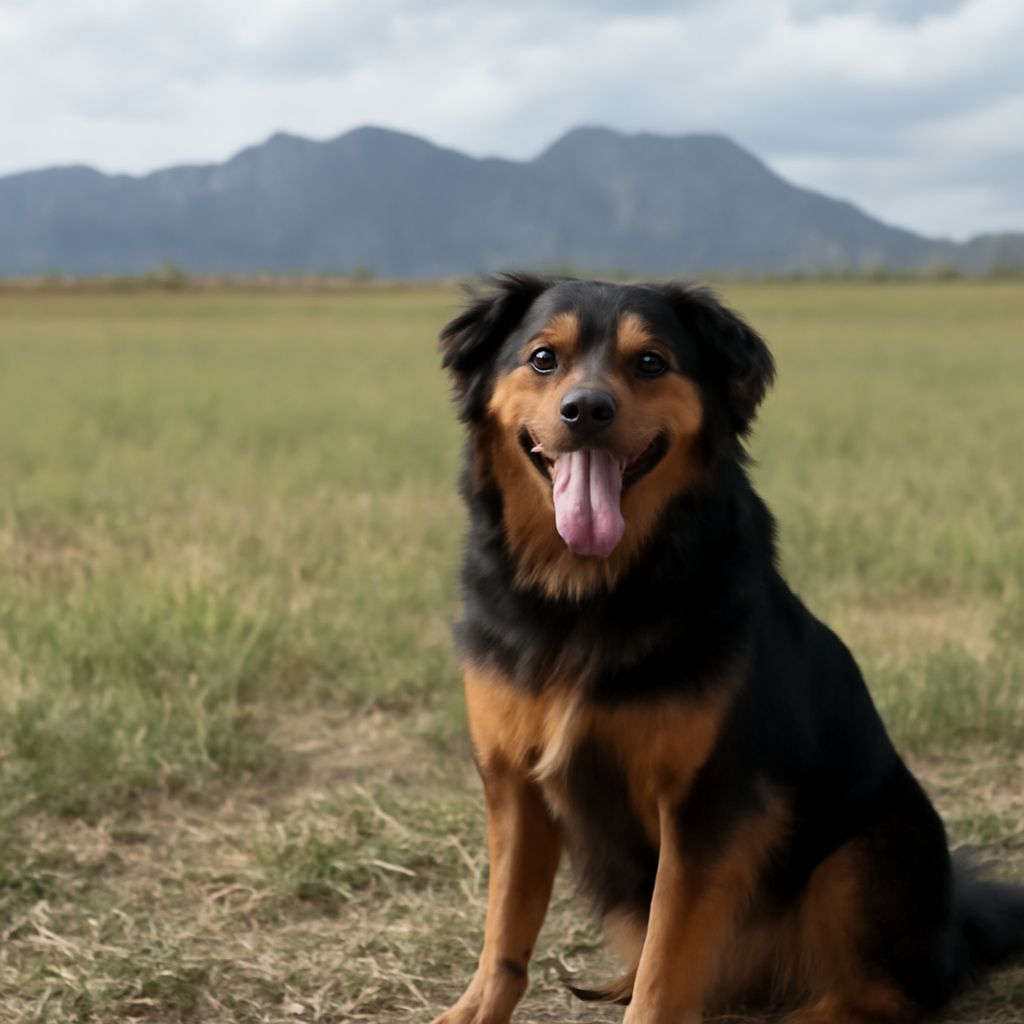
Canine skull morphology is classified into three primary types: dolichocephalic (long, narrow), mesocephalic (moderate), and brachycephalic (short, wide). Brachycephalic breeds — Bulldogs, Pugs, Boston Terriers, French Bulldogs — suffer disproportionately from brachycephalic obstructive airway syndrome (BOAS), which causes breathing difficulty, exercise intolerance, and heat stress. Surgical correction of narrowed nostrils and elongated soft palate significantly improves quality of life in severely affected individuals. Dolichocephalic breeds have increased surface area of nasal passages, making them excellent scent workers but occasionally susceptible to nasal tumors. Understanding the head shape of your breed informs appropriate exercise intensity, anesthetic risk considerations, and dental care requirements.
Gila Monster as a Pet: Legal Status and Reality
Gila monsters are federally protected under the Lacey Act in the United States and are additionally protected at the state level in all states where they occur naturally — Arizona, California, Nevada, New Mexico, and Utah. Private ownership of wild-caught gila monsters is illegal; captive-bred specimens exist in minimal numbers and are held almost exclusively by licensed zoological institutions and permitted researchers. The venom of the gila monster causes intense pain and localized tissue damage — there is no antivenom. For those drawn to venomous reptile keeping, the legal pathway involves state and federal permits that require demonstration of appropriate containment and handler experience.
Dog Tilting Head and Walking Sideways: Emergency Signs
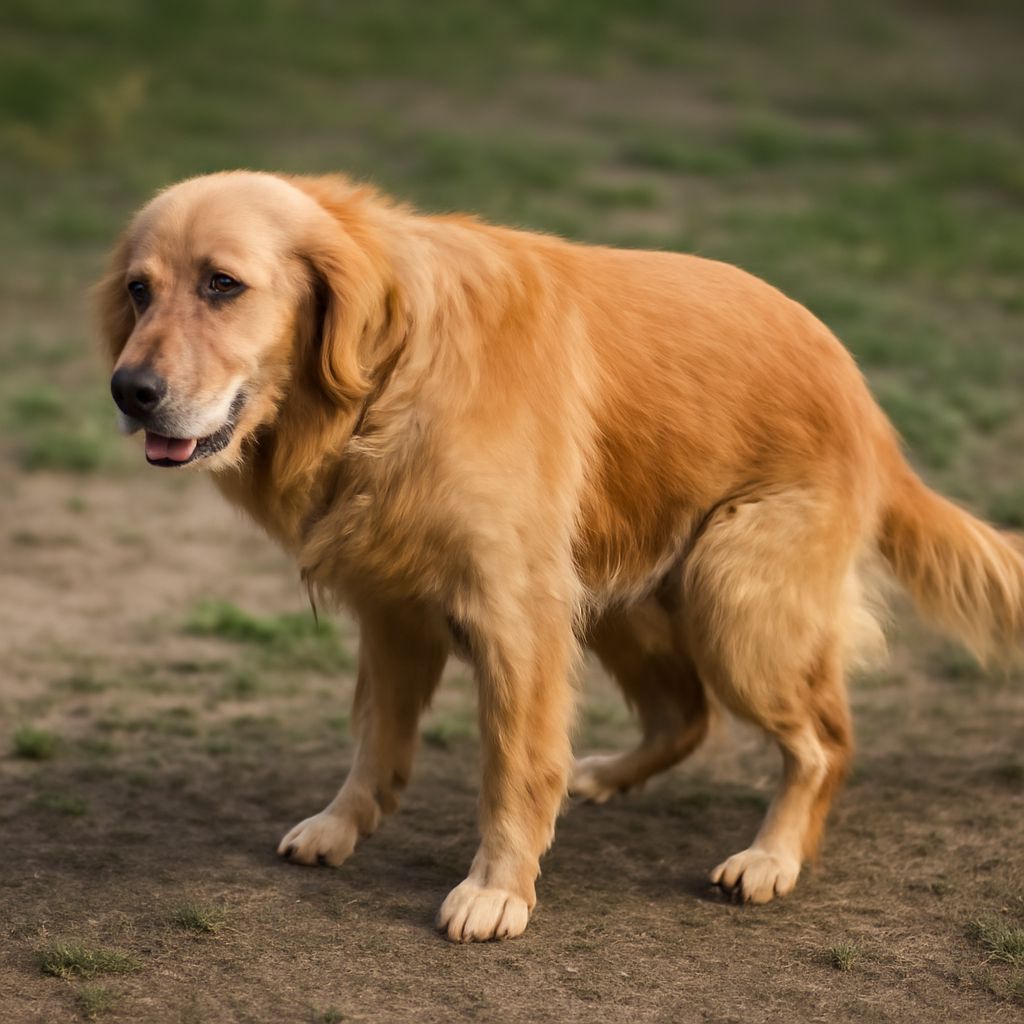
When head tilting is accompanied by an inability to walk in a straight line, the dog is experiencing an acute vestibular event. Common causes include idiopathic vestibular disease, middle ear disease, and ototoxicity from certain medications. Dogs affected by acute vestibular syndrome often cannot eat or drink normally due to severe nausea and disorientation. Immediate veterinary assessment is required to differentiate between the self-limiting idiopathic form and conditions requiring active treatment.
Key takeaways: Occasional head tilting is normal; persistent tilting with balance changes requires veterinary evaluation that same day. Gila monsters cannot be legally kept as pets. Brachycephalic head shapes create specific health vulnerabilities that owners must manage proactively.