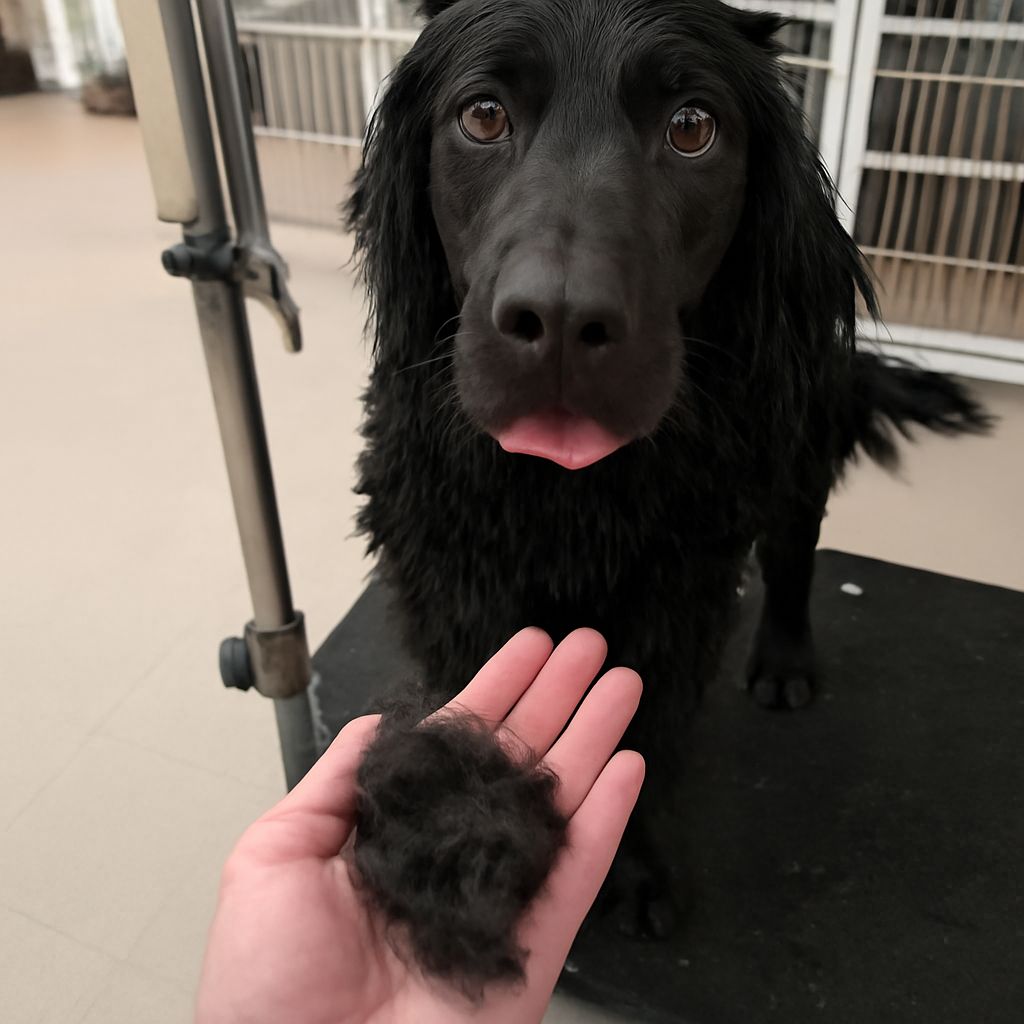
Why Is My Dog Shedding So Much: Causes and Solutions for Excessive Dog Shedding
Owners frequently ask why is my dog shedding so much when they notice hair accumulation increasing beyond their baseline expectations, but the answer requires separating normal seasonal shedding from medically significant hair loss. Why does my dog shed so much is a different question from why shedding has increased suddenly — one refers to a dog’s baseline coat cycle, the other flags a change that warrants investigation. Why is my dog shedding so much all of a sudden is the version that most often indicates a medical or nutritional trigger rather than a grooming deficit. Dog excessive shedding beyond what is typical for the breed and season is a clinical indicator, not simply a housekeeping problem. Excessive dog shedding paired with skin changes — redness, flaking, thinning patches — should prompt a veterinary appointment.
Normal vs. Abnormal Shedding in Dogs
All dogs shed to some degree, with shedding rates determined by breed, coat type, and seasonal hormonal signals. Double-coated breeds such as Huskies and Malamutes undergo heavy biannual coat blows — periods of intense shedding that last several weeks. Single-coated breeds shed more evenly throughout the year. Shedding that stays within a dog’s established pattern, does not produce visible skin or coat changes, and resolves with the season is normal and does not require medical intervention.
Sudden increases in shedding volume, patchy hair loss, changes in coat texture, or shedding accompanied by scratching represent abnormal patterns. These changes indicate that an internal or external factor has disrupted the normal hair growth cycle.
Medical Causes of Sudden or Excessive Shedding
Hormonal imbalances are the most common internal cause of excessive shedding in dogs. Hypothyroidism produces symmetrical hair thinning on the trunk, often with weight gain and lethargy. Cushing’s disease creates a distinctive pot-bellied appearance alongside coat thinning and increased shedding. Both conditions require blood testing for diagnosis and long-term medical management.
Skin infections — bacterial folliculitis, ringworm, and demodectic mange — cause localized or diffuse hair loss that resembles excessive shedding but involves follicle damage rather than normal hair cycling. These conditions require specific treatment based on the causative organism.
Nutritional deficiencies, particularly inadequate protein or essential fatty acid intake, also increase shedding volume. Dogs fed nutritionally incomplete diets often show coat deterioration before other clinical signs become apparent.
Managing and Reducing Excessive Shedding
For shedding within the normal range, regular brushing remains the single most effective tool. Brushing frequency should match the coat type — daily brushing during active shed periods for double-coated breeds, twice weekly for most others. Deshedding tools specifically designed for undercoat removal reduce the volume of loose hair significantly compared to standard bristle brushes.
Dietary omega-3 fatty acid supplementation — through fish oil or specifically formulated supplements — supports the skin barrier and reduces shedding over a 6 to 8 week supplementation period. Bathing with a deshedding shampoo followed by high-velocity drying removes large volumes of loose undercoat in a single session.
Any dog experiencing shedding paired with visible skin abnormalities, behavioral changes, or weight changes should receive a full veterinary workup before attempting home management.