Plywood Dog House Building Guide: Dimensions, Frames, and Climate Control
A plywood dog house is the most accessible DIY shelter option for dog owners because plywood is affordable, workable with basic tools, and structurally sound when properly sealed. Many owners mistakenly assume that a simple box structure is sufficient, but the quality of the dog house frame, the accuracy of dog house dimensions, and the choice of finishing materials all affect how comfortable and durable the shelter will be. An ac dog house — one equipped with a small cooling unit — is not an extravagance in hot climates; for brachycephalic breeds and working dogs housed outdoors, climate control can be life-saving. Dog house leather accents refer to weather-stripping and door flap materials made from treated leather, which outperforms cheap plastic in sealing doorways against wind and rain.
Sizing and Structural Design
Calculating Accurate Dog House Dimensions
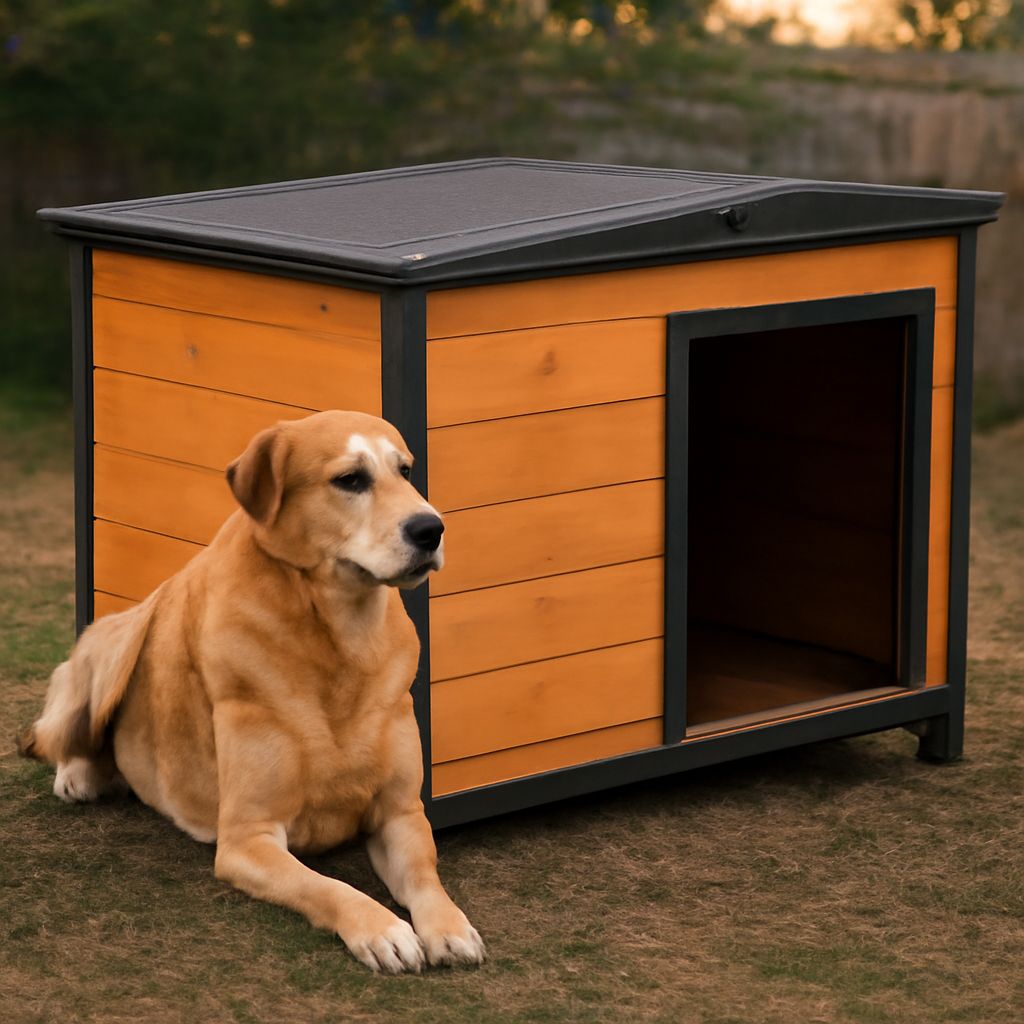
Correct dog house sizing begins with the dog’s measurements: length from nose to tail base, shoulder height, and overall weight. A well-proportioned shelter is long enough for the dog to turn around fully, tall enough to stand without crouching, and narrow enough to retain body heat in cold weather. Oversized structures defeat the dog’s natural ability to warm the space with body heat. Standard rule: interior height should be 25% taller than the dog’s shoulder height, and length should be 25% longer than the dog’s body length.
Building a Strong Dog House Frame
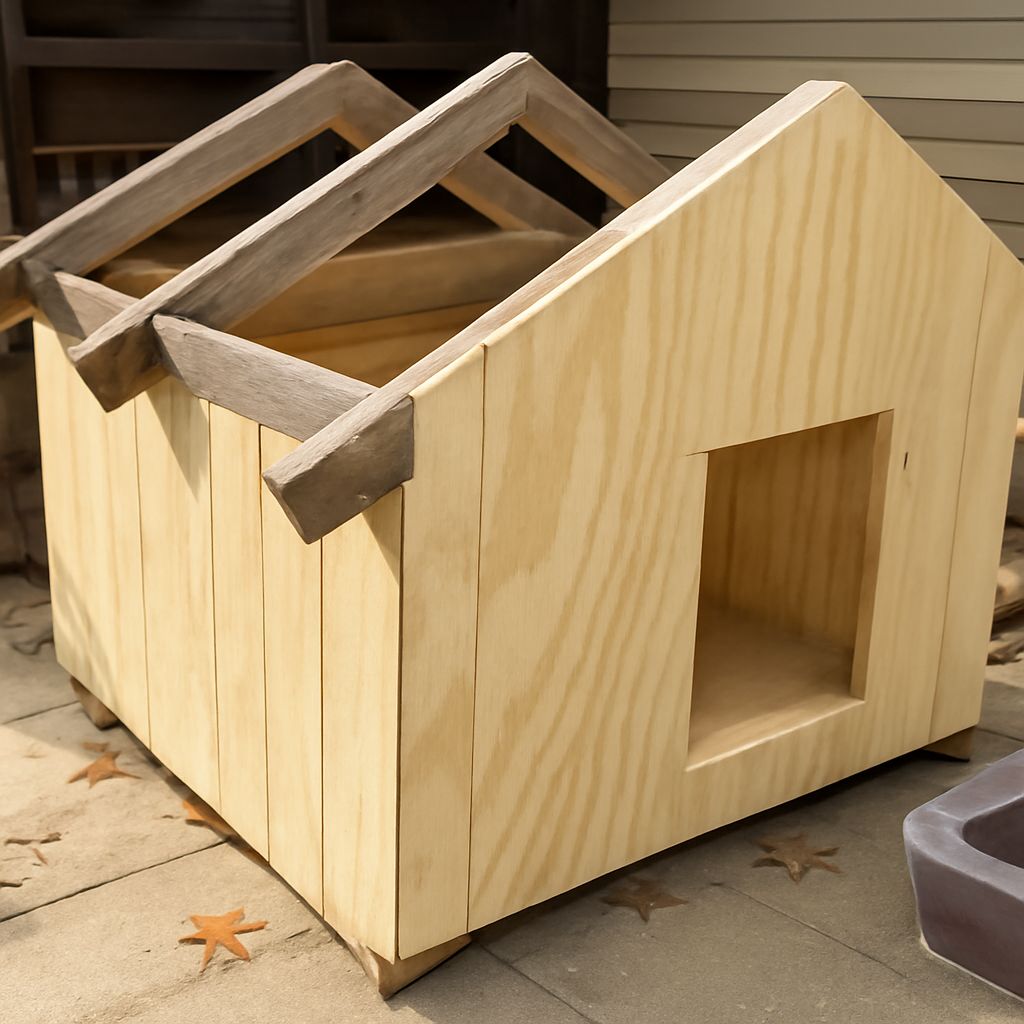
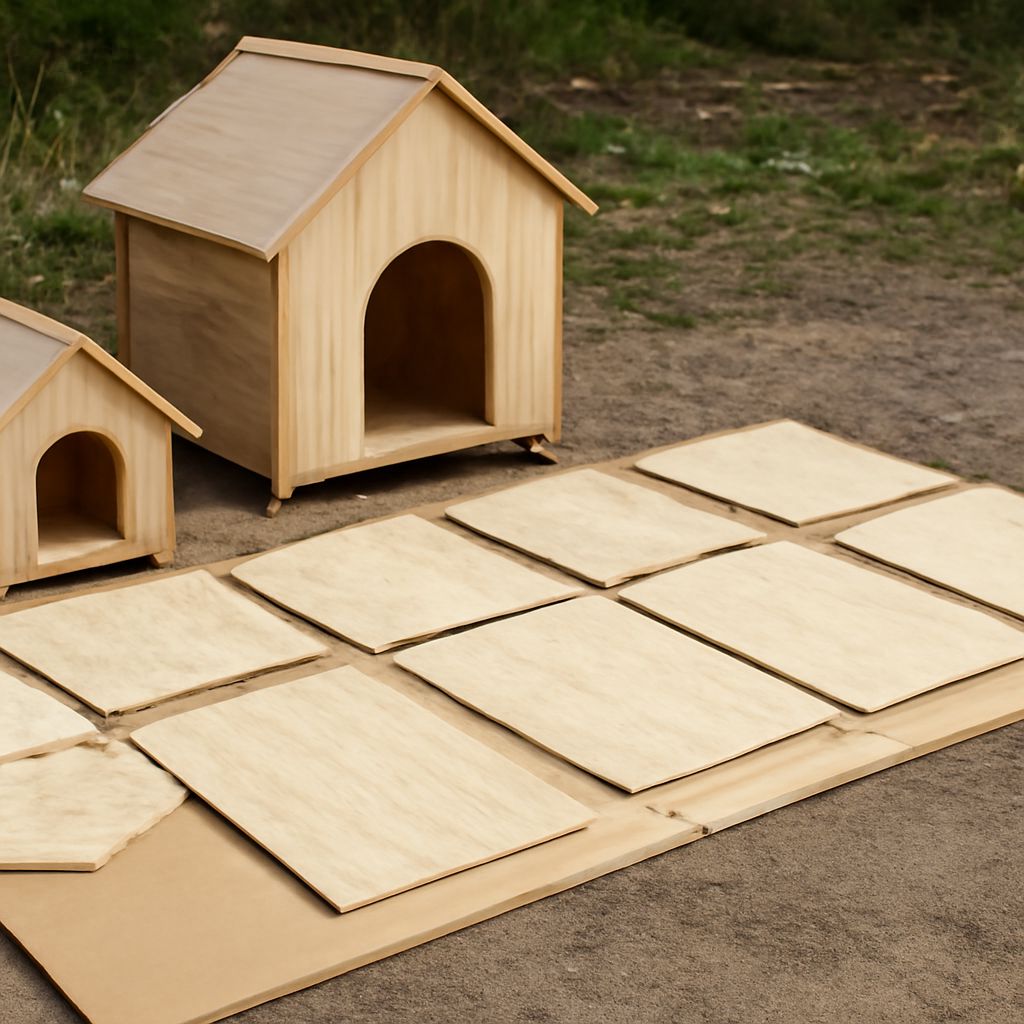
The structural integrity of a plywood shelter depends on its frame. Use pressure-treated 2×4 lumber for the base to prevent ground moisture from wicking into the structure. Interior framing for walls and roof should follow standard stud spacing — 16 inches on center provides rigidity without excessive weight. Exterior plywood panels should be at least 3/4 inch thick and sealed on all edges with exterior-grade primer before assembly. Roof pitch should channel rain away from the entry opening.
Climate Control for Outdoor Dog Shelters
Adding Air Conditioning to a Dog House
An air-conditioned dog house requires a sealed, insulated structure to function efficiently. Mini-split systems or small portable window units designed for pet enclosures are the most practical options. The cooling unit should be sized for the cubic footage of the shelter interior; oversizing causes temperature swings while undersizing fails to cool effectively. Insulation between the frame and outer plywood panels — rigid foam board or spray foam — reduces the cooling load substantially and pays for itself quickly in summer electricity costs.
Weather Sealing with Leather Door Flaps
Replacing cheap plastic door flaps with a leather dog house flap significantly improves the seal against cold drafts and rain. Treated leather is flexible in low temperatures, unlike rubber and vinyl which stiffen and crack. Cut the flap with a slight overlap on all sides of the doorway opening, and use stainless steel screws with washers to secure it along the top edge. Replace the flap every two to three years, inspecting annually for cracking or delamination.
A well-built plywood dog shelter, properly dimensioned, structurally framed, and climate-controlled, provides decades of reliable use. Prioritize insulation and weather-sealing as much as structural materials — comfort and energy efficiency go hand in hand in any outdoor dog shelter.