Dog Rabies Vaccine: Schedule, Legal Requirements, and What to Expect
Some owners assume that because their dog never leaves the yard, a dog rabies vaccine is optional. That assumption carries real risk. Rabies vaccination is legally required for dogs in most U.S. states and many countries worldwide, and the law does not make exceptions based on lifestyle. A dog rabies shot is also one of the few veterinary interventions that protects people, not just the animal receiving it. Rabies vaccine dog protocols vary by product, so the same dog might receive a one-year or three-year booster depending on which licensed formula was used initially. Knowing how often does my dog need a rabies shot prevents costly gaps in legal compliance and leaves your dog without protection during that window. And for owners asking whether can I buy a rabies vaccine for my dog at a farm supply store — you cannot legally administer it yourself in most states, and here is why that matters.
Rabies Vaccination Schedule for Dogs
The standard schedule starts at 12 to 16 weeks of age for the initial puppy dose. That first dose is always considered a one-year vaccination regardless of the product used. One year later, the dog receives a booster. From that point, the interval depends entirely on the vaccine label: some products are licensed for annual boosters, others for every three years. Your vet’s records specify which product was used and when the next booster is due.
Missing a booster by even a short period can legally reset the dog to “unvaccinated” status in some jurisdictions, which has implications for quarantine requirements if the dog bites someone or is exposed to a wild animal. Staying on schedule is the simplest protection against that outcome.
Why Self-Administered Rabies Vaccines Are Not Legally Valid
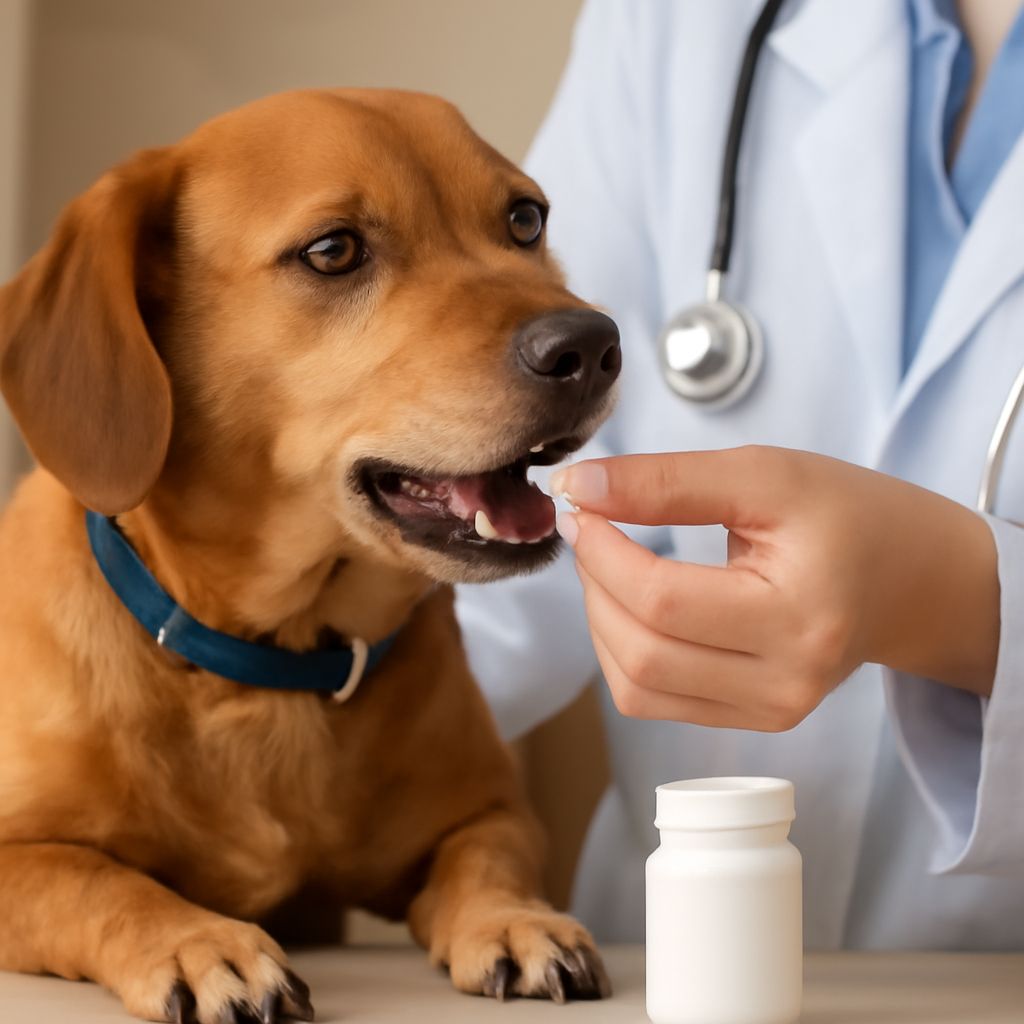
While some vaccines for dogs are sold over-the-counter at farm supply stores, rabies vaccines are not among them. The rabies vaccination must be administered by a licensed veterinarian in all U.S. states. The vet then issues a certificate of rabies vaccination, which is the legal document required for licensing, travel, and bite incidents.
A self-administered shot, even using a legitimate vaccine purchased from a vet or obtained online, produces no legal certificate. The dog rabies shot has no standing without professional documentation. This means the dog is legally unvaccinated regardless of actual immunity. Attempting to bypass the licensed vet requirement saves a small amount of money while eliminating all legal protection.
What to Expect After a Rabies Shot
Most dogs tolerate the canine rabies immunization with minimal reaction. A small, firm lump at the injection site is common and resolves within a few weeks. Mild lethargy or reduced appetite for 24 to 48 hours after vaccination is also normal. Watch for signs of a more significant reaction:
- Facial swelling or hives within 30 to 60 minutes of injection
- Vomiting or diarrhea immediately after the appointment
- Difficulty breathing or sudden collapse
These signs indicate an allergic response and require immediate veterinary attention. Your vet may recommend pre-medicating with an antihistamine before future rabies booster shots if your dog has reacted previously. Dogs with prior reactions can still be vaccinated safely with appropriate preparation — consult your vet before the next scheduled dose rather than skipping it.
Key takeaways: The dog rabies vaccine is legally required, professionally administered, and documented on an official certificate. Schedule the booster on time to maintain both immunity and legal compliance. Any side effects beyond mild, short-lived lethargy at the injection site warrant a call to your vet.