Tea Pet: The Ancient Tradition That Makes Every Tea Ceremony Special
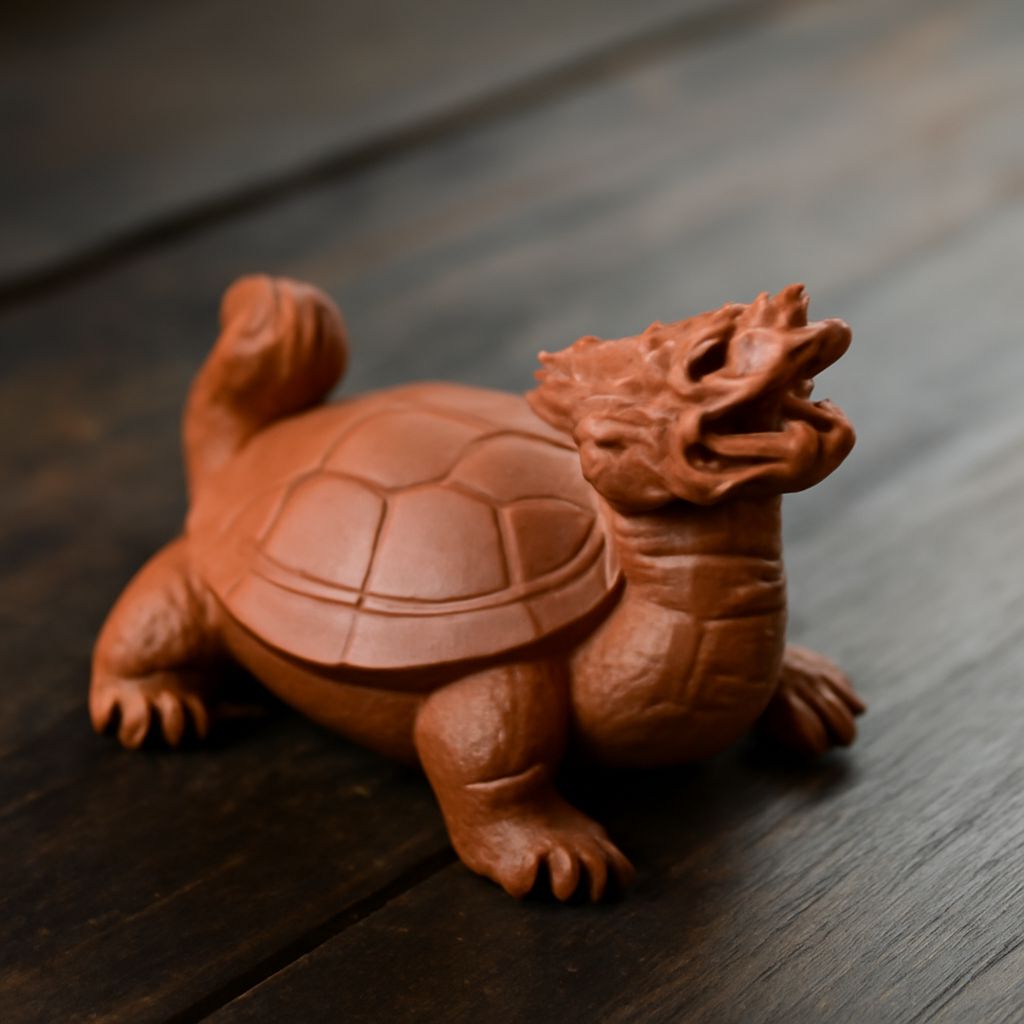
Many people encounter the term tea pet and assume it refers to an animal that enjoys tea alongside its owner. The reality is both more specific and more interesting. Tea pets are small clay figurines used in Chinese Gongfu tea ceremonies, placed on a tea tray and “nourished” over time with leftover tea poured over their surface. Tea pets develop a patina and subtle color change as they absorb minerals from repeated tea contact, making each piece a record of its owner’s brewing history.
Unlike lovable pets that require feeding, exercise, and medical care, tea pets demand almost nothing. They sit on the tray, absorb tea, and gradually transform. Midwest pets owners who discover this tradition often find it a satisfying complement to their interest in animals — something to tend to during quiet morning tea rituals without the demands of a living companion. Ethical pets enthusiasts are drawn to tea pets precisely because they carry none of the welfare concerns that come with keeping exotic or unsuitably-kept animals.
What Are Tea Pets Made From?
Most tea pets are crafted from Yixing purple clay, the same material used in traditional Chinese teapots. This clay is unglazed and porous, which allows it to absorb tea oils and tannins over time. The transformation is slow and subtle — months or years of use shift the color from raw clay to a deep, warm tone with a slight sheen.
Other tea pet figurines are made from red clay, white clay, or even ceramic, though the latter does not absorb tea in the same way. Collectors and serious practitioners typically prefer Yixing clay pieces for the patina effect. Common shapes include frogs, dragons, mythical creatures, Buddhas, and small domestic animals — the range of lovable pets subjects rendered in miniature is broad.
How to Use and Care for a Tea Pet
Using a tea pet is simple. Place it on the tea tray during a brewing session. After pouring tea into cups, pour the remaining liquid or rinse water over the figurine. The tea pets absorb what they can and the rest drains away through the tray. Over time, consistent use builds the characteristic patina.
Some varieties of tea pet have hollow interiors and a small hole on the underside. When cold water is poured over them, air contracts inside and the figurine appears to urinate — a feature that delights many owners and signals that the water temperature is appropriate for the tea being brewed. These functional pieces are popular among enthusiasts who want both aesthetics and utility.
Choosing a Tea Pet That Fits Your Practice
Selecting a tea pets figurine comes down to personal resonance and practical size. A piece that is too large crowds the tray; one that is too small gets lost among teaware. Most practitioners keep one to three pieces on their tray, arranging them alongside teapot, pitcher, and cups.
For those new to Gongfu tea, a simple frog or pig figurine made from Yixing clay is a traditional starting point. These shapes are considered auspicious in Chinese culture and are widely available. Midwest pets and animal lovers often choose shapes that reflect animals they feel connected to, making the tea pet a personal object rather than just a decorative one.
Ethical pets advocates sometimes appreciate that tea pets offer a form of companionship and ritual without contributing to animal trade or captivity. The figurine becomes meaningful through use and time — a modest, quiet practice that rewards patience and consistency over novelty.