Enclosed Dog Kennel Options: Runs, Pens, and Covered Setups
An enclosed dog kennel is not a punishment tool; it is a management solution, and selecting the wrong type creates problems rather than solving them. Many owners purchase outside dog pens that are too small for their dog’s size and activity level, then wonder why their dog becomes anxious or destructive within weeks. Adequate space, appropriate fencing height, and a solid base are all non-negotiable factors, not optional upgrades.
A second common error is ignoring weather exposure. Dog kennels and runs left fully open to the elements expose dogs to rain, wind, extreme heat, and sun. A covered dog kennel is a practical necessity in most climates, not a luxury. Even in mild regions, UV exposure over months causes both coat damage and behavioral stress. The goal of any dog kennel run is to give the dog a safe, comfortable space, not just a confined one.
Types of Outdoor Kennel Setups
Modular Panel Kennels
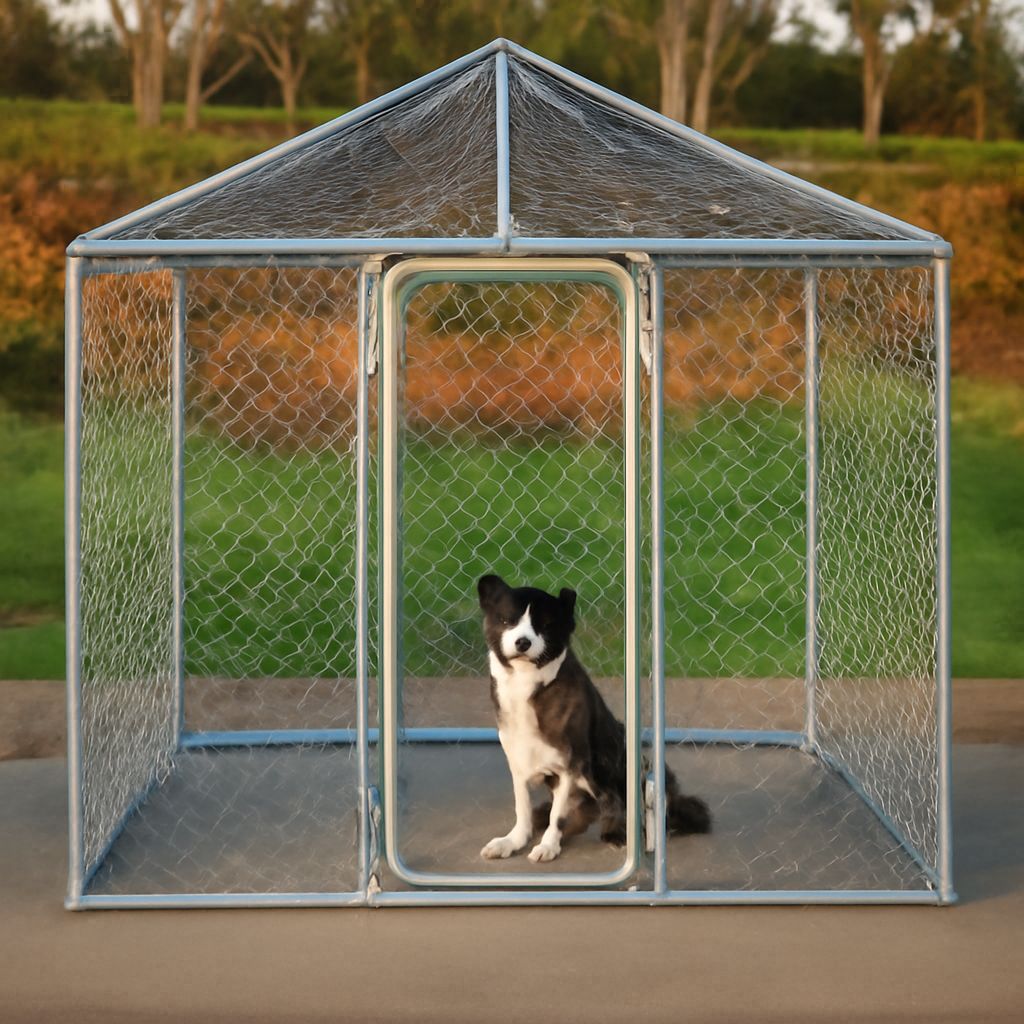
Modular kennels use interlocking panels to create an enclosure that can be reconfigured or expanded. They suit flat surfaces well and come in galvanized steel, which resists rust and chewing. Panel height typically ranges from four to six feet. For large or athletic breeds, six feet is the minimum to prevent jumping escapes. These outside dog pens are portable and easy to reconfigure when your needs change.
Attached Run Kennels
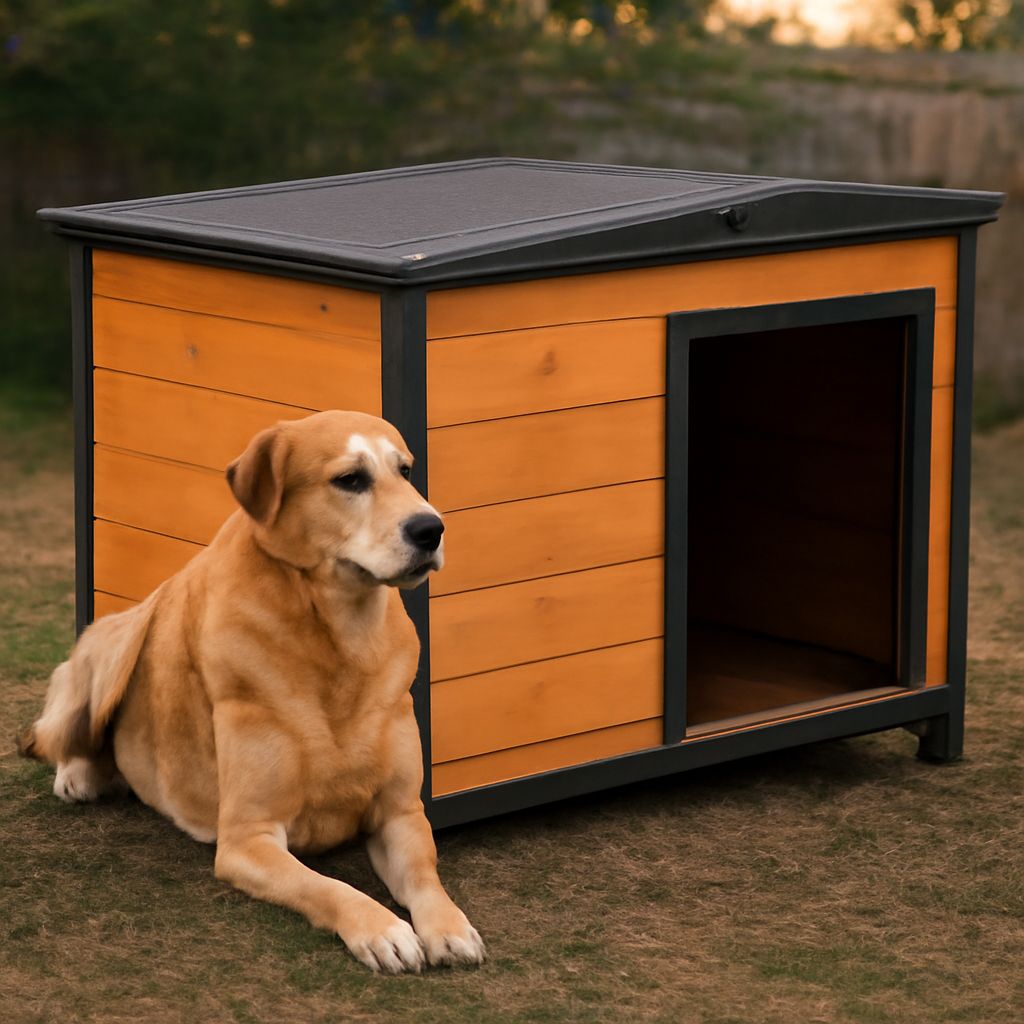
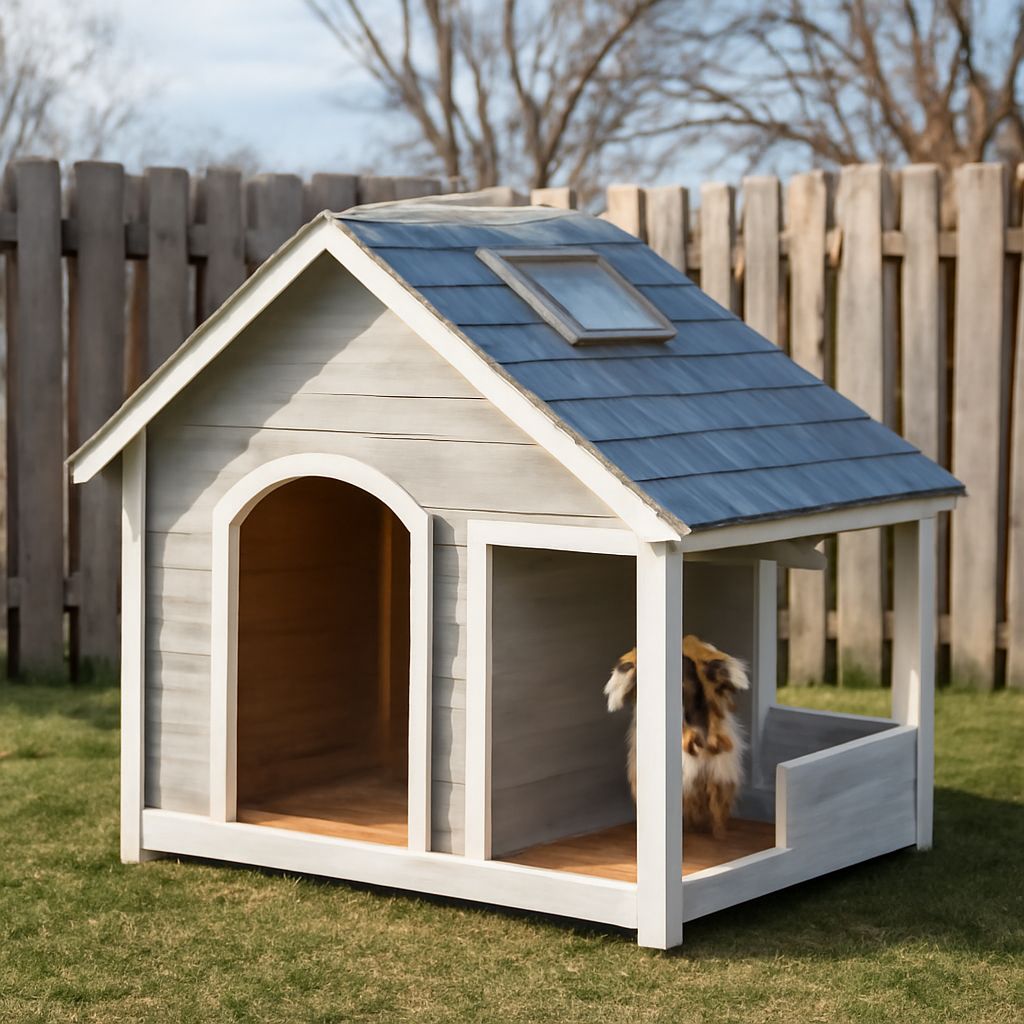
Attached kennel runs connect directly to an existing structure like a house, garage, or standalone dog house. The dog transitions between the indoor and outdoor sections through a dog door. This setup works well for owners who need semi-permanent outdoor access without fully free-roaming yard access. Dog kennels and runs of this type often include a covered portion over the attached section to protect the transition zone from rain.
Covered Kennel Systems
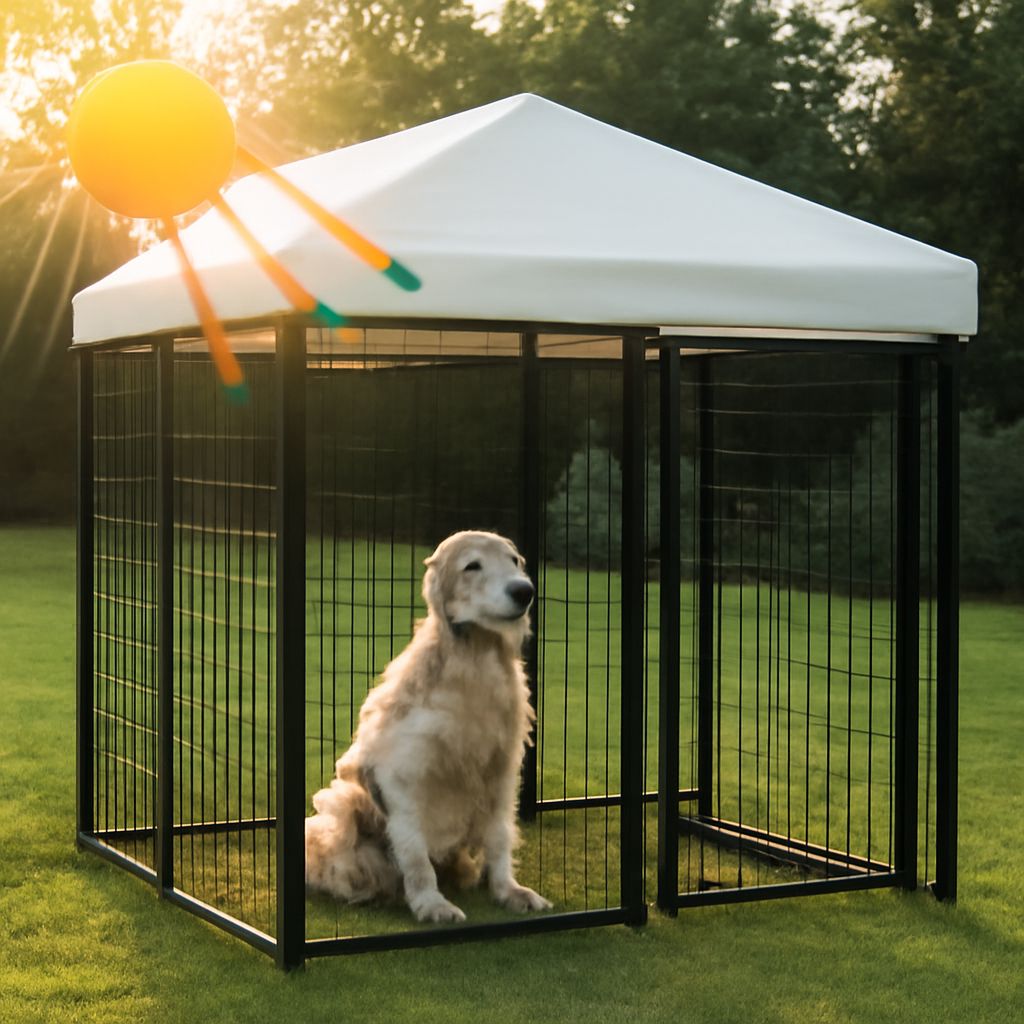
A covered dog kennel includes a roof panel as part of the structure. Roof options include solid polycarbonate panels, galvanized steel tops, or shade cloth. Solid roofing provides the most weather protection. Shade cloth reduces UV and allows airflow, making it suitable for warm climates where ventilation matters more than rain protection. For maximum flexibility, some owners use a solid roof section near the dog door and shade cloth over the run area.
Flooring and Ground Preparation
Bare dirt inside a kennel run becomes a mud pit in wet weather and a dust bowl in dry conditions. Gravel is the most popular base material: it drains well, resists digging, and is easy to clean with a hose. Pour a concrete pad under the kennel’s shelter area for easy cleaning and to discourage escape digging at the foundation.
Avoid solid concrete over the entire run. Dogs standing on hard concrete for extended periods develop joint problems and calluses. A gravel or rubber mat surface for most of the run, with concrete only under the shelter or feeding area, balances hygiene with comfort.
Sizing and Security
Minimum kennel size recommendations scale with breed. A medium-sized dog needs at least 6 by 10 feet; a large breed should have 10 by 10 feet or more. Dogs confined in undersized kennels for hours develop stereotypic behaviors like pacing and fence-running. Longer daily periods of confinement require proportionally more space.
Security checks matter at every corner. Inspect latches monthly, look for rust or bent panels that create gaps, and check the ground perimeter for digging attempts. A dog that escapes once will attempt the same method again. Address the weak point immediately rather than correcting the dog after the fact.