Dog Yard Ideas: Practical Backyard Designs for Dogs of Any Size
Dog yard ideas often focus on aesthetics first and dog needs second, which is why so many outdoor setups fail within a season. A beautifully landscaped dog backyard means nothing if the dog digs up every plant, escapes under the fence, or overheats on a blacktop surface. Good design starts with the dog’s actual behavior — how it moves, where it tends to dig, and how much shade it needs during peak heat hours.
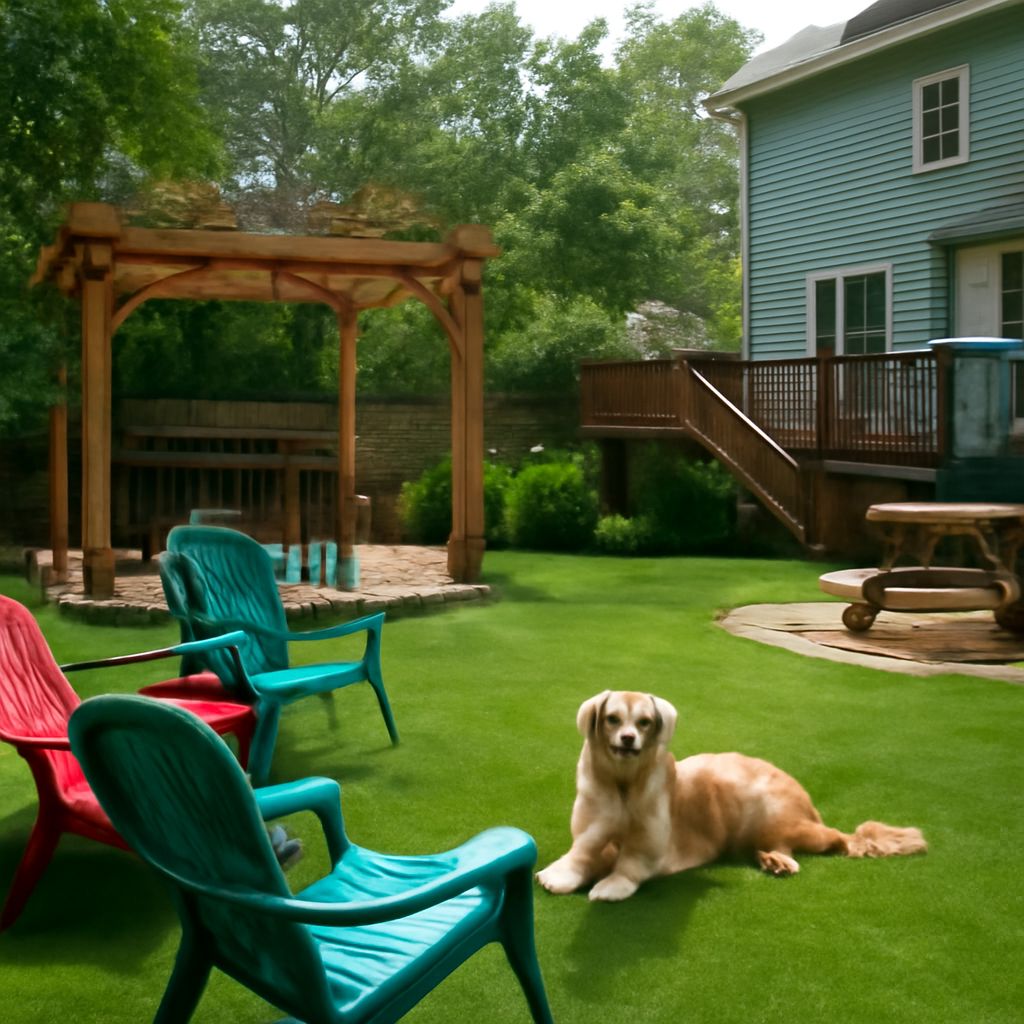
The good news is that functional dog friendly backyard landscaping ideas and attractive design are not in conflict. Dog yard setups can include hardy ground covers, splash areas, shaded rest zones, and clear run paths that work for both the dog and the owner. Dog house insulation ideas become relevant for dogs that spend significant time outside, particularly in climates with cold winters or intense heat. And for those without a full backyard, a properly equipped pet yard on a smaller outdoor footprint can meet most of a dog’s outdoor needs.
Planning Your Dog Backyard Layout
Start by mapping how your dog actually uses the yard. Dogs typically establish patrol routes along fences, dig in specific corners, and choose a few preferred rest spots. Design around these patterns rather than against them. Placing a designated dig zone — a sandbox or raised bed filled with soft soil — in an area the dog already gravitates toward redirects destructive digging effectively.
Fencing is the most critical structural element. Height depends on breed: a 5-foot fence stops most medium dogs, but athletic breeds like Huskies and Belgian Malinois need 6 feet or more. L-footer wire extensions angled outward at the fence base stop dogs that dig under. For climbers, a coyote roller along the top edge prevents dogs from getting purchase when attempting to scale the fence.
Dog Friendly Landscaping Choices
Ground cover is where most backyard landscaping for dogs succeeds or fails. Grass takes significant abuse from urine and running. Buffalo grass and tall fescue are more urine-tolerant than Kentucky bluegrass. For high-traffic runs, decomposed granite or pea gravel drains well and stays cooler than concrete. Artificial turf is a popular option but requires adequate drainage installation and regular cleaning to prevent odor buildup.
Plant selection matters too. Avoid toxic species: sago palm, azalea, oleander, and foxglove are all dangerous to dogs. Hardy, non-toxic alternatives include rosemary, lavender, and ornamental grasses. Raised planting beds with timber or stone borders protect plantings from curious dogs without requiring constant supervision.
Dog House Insulation for Year-Round Comfort
A dog house without insulation is a liability in temperature extremes. For cold climates, rigid foam board insulation cut to fit wall cavities provides good thermal resistance without the hazard of loose batting. A raised floor prevents cold from transferring up through the ground. In hot climates, reflective insulation in the roof reduces heat gain significantly. Ventilation is as important as insulation — a closed box retains heat even with insulated walls.
Small-Space Pet Yard Solutions
Urban dogs and apartment dogs with access to small outdoor spaces can still have a functional pet yard. Turf panels or interlocking rubber tiles create a usable surface on balconies or small patios. A pop-up shade canopy keeps the space comfortable in summer. A water dish holder, a few durable toys, and a defined potty zone are enough to make a small outdoor area genuinely useful.
Key takeaways: Effective dog yard ideas begin with observing how your dog uses outdoor space, then designing around those habits. Ground cover, fencing, and shade are the three variables with the most impact on whether a dog backyard setup actually works long-term.