Origami Dog Guide: Paper Folding, Leather Dog Toys & More
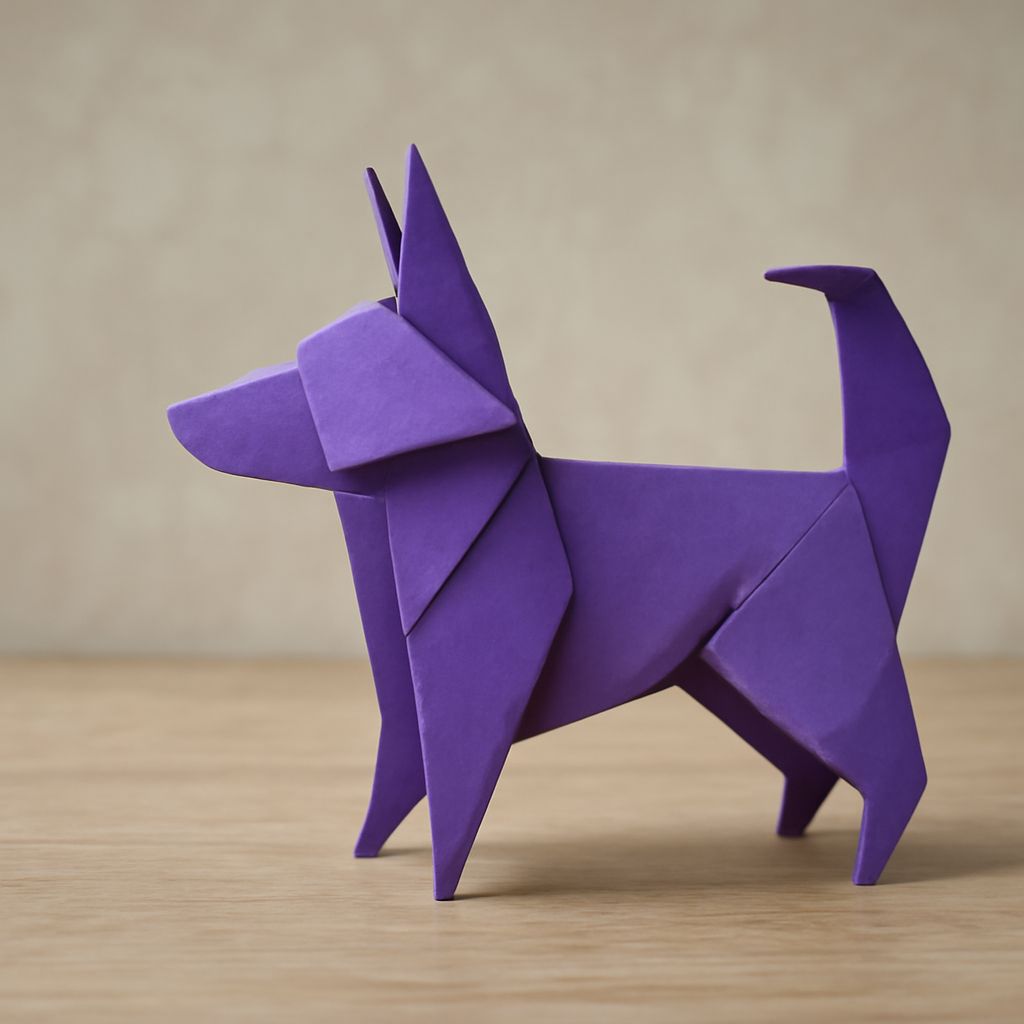
An origami dog looks impressive but intimidates most beginners who assume paper folding requires years of practice. It does not. Dog origami ranges from five-fold beginner models to advanced sculptural pieces, and the technique you start with shapes your experience more than any innate talent. Most people give up after one failed attempt at an advanced model when an easier starting point would have hooked them for life.
Dog origami is not the only creative outlet in the dog-themed craft and toy world. Leather dog toys bring durability and texture that fabric toys cannot match, and a dog cow costume turns ordinary pets into photogenic characters for seasonal photos. Even the misspelling oragami dog gets typed into search bars thousands of times a month, which tells you how many people are coming to this hobby fresh, without formal instruction, and just looking for a place to start.
How to Fold an Origami Dog Step by Step
Choosing Your Paper and Starting Model
Standard 15 cm square origami paper works well for most dog models. Avoid paper that is too thick — it resists folding cleanly at the ears and snout. A simple sitting dog or dog face requires only a valley fold, a mountain fold, and a reverse fold. These three techniques cover 90 percent of beginner dog origami models, so mastering them first means you can attempt almost any entry-level design.
Folding the Basic Dog Face
Start with a square folded corner to corner into a triangle. Fold the two bottom corners up to form ears, adjusting the angle to get pointy or floppy ears. Fold the top point down slightly for the nose, then fold the bottom point up for the chin. A small inside reverse fold at the nose creates a more realistic muzzle. The whole model takes under three minutes once you’ve done it twice.
Leather Dog Toys vs. Other Materials
Leather dog toys occupy a specific niche. They are tougher than rope or plush but softer than hard rubber, which makes them good for moderate chewers who destroy fabric toys quickly but do not need the resistance of a rubber Kong-style toy. Leather holds scent well, which dogs find engaging. It also develops a patina with use, something no synthetic toy replicates.
The main concern with leather dog toys is sourcing. Treated or dyed leather contains chemicals that are not safe for dogs to ingest. Look for vegetable-tanned, undyed leather specifically marketed as pet-safe. Check seams — hand-stitched leather toys last significantly longer than glued ones. A well-made leather toy outlasts most fabric alternatives by months, which offsets the higher upfront cost.
Dog Cow Costume and Creative Pet Accessories
A dog cow costume is a staple of seasonal pet photography and Halloween events. The best designs include a hood with ears that stays on without pulling, adjustable Velcro closures, and fabric light enough not to restrict movement. Avoid costumes with loose decorative pieces — small buttons, felt patches, and plastic eyes are chewing hazards for most dogs.
The same attention to fit that applies to functional gear applies to costumes. A costume that bunches at the neck or restricts the hind legs causes stress, and a stressed dog will not cooperate for photos. Measure your dog’s neck, chest, and back length before ordering, and choose a size up if measurements fall between ranges. Short supervised wearing sessions with treats make costume acceptance much faster.
Key takeaways: Origami dog models are accessible to complete beginners with the right starting complexity. Leather dog toys offer durability and sensory engagement when sourced from pet-safe, untreated leather. A properly fitted dog cow costume with no small parts is safe for supervised wear and short photo sessions.