Dog with Worms: Signs, Symptoms, and How to Get Rid of Them
Finding out your dog has worms is unsettling, but it happens to more dogs than most owners realize. A dog with worms is not automatically a sign of neglect — puppies can be born with roundworms, and any dog that sniffs grass, drinks puddle water, or eats wildlife is at risk. The good news is that worm infestations are treatable, and catching them early makes a real difference.
Many owners assume a dog has worms only when they see something visible in the stool. That is one sign, but dog worm symptoms can appear long before anything is visible. Because my dog has worms how do i get rid of them is one of the most common questions vets hear, this guide covers the full picture — from recognition to treatment — with the accuracy you need to act on.
Common Types of Worms in Dogs
The most frequent intestinal parasites in dogs are roundworms, hookworms, whipworms, tapeworms, and heartworms. Each type spreads differently and causes different problems. Roundworms pass through contaminated soil and feces. Hookworms can penetrate skin on contact. Tapeworms spread through fleas. Heartworms travel via mosquito bites and settle in the heart and lungs — far more serious than gut parasites.
Knowing which type of worm is involved matters because treatment differs by parasite. A dewormer that clears roundworms will not touch tapeworms. This is why a vet diagnosis — not a best guess — is the right starting point whenever dog symptoms of worms appear.
Dog Worm Symptoms to Watch For
Physical symptoms vary by worm type and severity, but common indicators include:
- Visible worms or worm segments in feces or around the anus
- Bloated or pot-bellied appearance, especially in puppies
- Scooting or persistent scratching at the rear
- Weight loss despite normal or increased appetite
- Dull, dry coat and low energy
- Vomiting, diarrhea, or mucus-heavy stools
- Coughing (associated with roundworm migration or heartworm)
Some dogs infected with worms show no outward signs at all. Routine fecal testing at annual vet visits catches these subclinical cases before the worm burden grows large enough to cause real harm.
How Vets Diagnose Worms
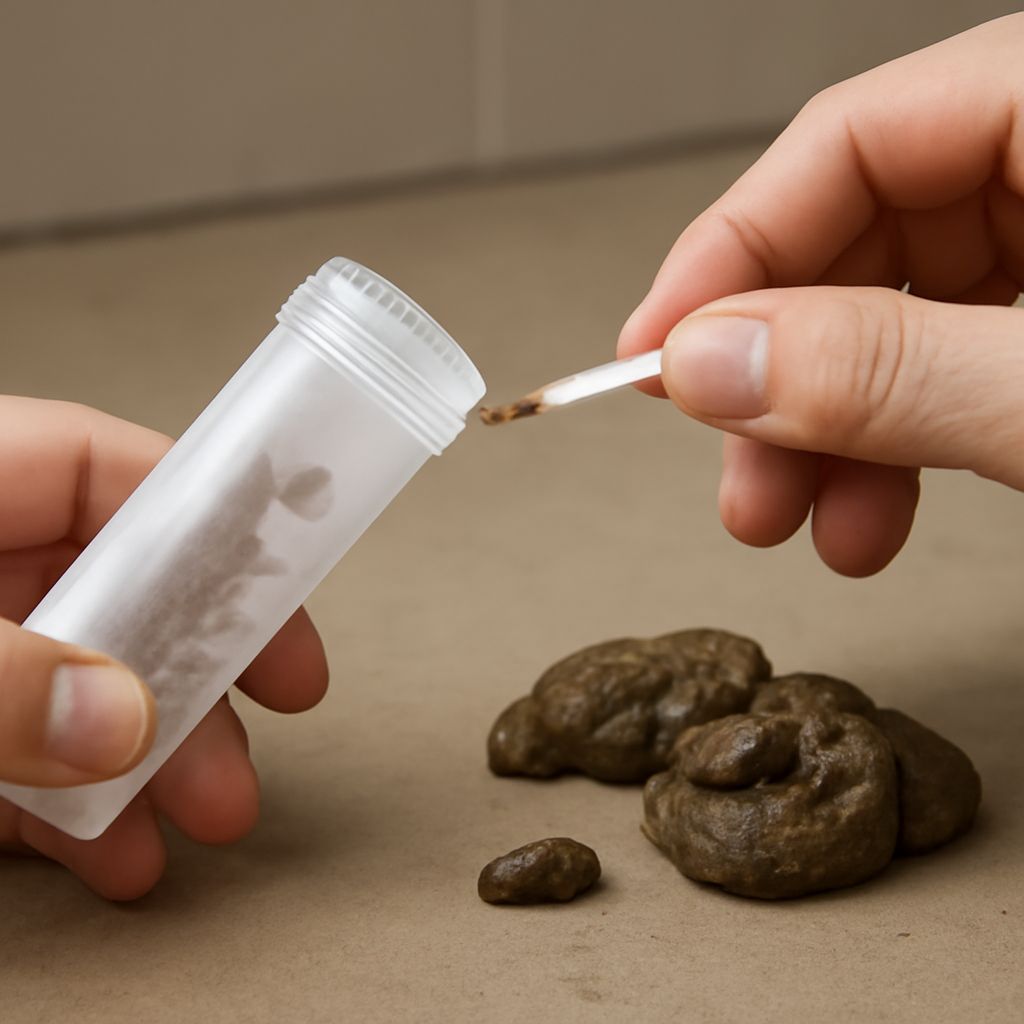
A fecal flotation test is the standard diagnostic tool. The vet examines a stool sample under a microscope, identifying worm eggs. Some parasites — tapeworm segments, for instance — are visible to the eye, while heartworm requires a blood antigen test. Bring a fresh stool sample to your appointment to speed things up.
Home test kits exist, but they miss several worm species and do not replace lab analysis. If your dog worm symptoms point to heartworm, a blood test is the only reliable method.
Treatment: Getting Rid of Worms
Once a dog has worms confirmed by testing, your vet prescribes an appropriate antiparasitic. Common options include pyrantel pamoate for roundworms and hookworms, fenbendazole for whipworms, and praziquantel for tapeworms. Heartworm treatment is a longer, more involved protocol that requires hospitalization and activity restriction.
Over-the-counter dewormers cover a limited range of parasites. Using the wrong product wastes time and money, and delays proper care. A vet prescription targets the specific parasite confirmed in testing.
Most gut worms are cleared within one to three treatment rounds. Your vet will schedule a follow-up fecal test to confirm the infection is resolved.
Prevention Going Forward
Monthly heartworm preventatives — most of which also cover several intestinal worms — are the simplest ongoing protection. Pick up feces promptly from your yard, limit your dog’s contact with wildlife or scavenged food, and treat flea infestations quickly to stop tapeworm transmission. Annual fecal testing remains important even for dogs on prevention, since no single product covers every parasite.