Metal Dog Gate Options for Large Dogs and Expandable Setups
Most pet owners buy a gate, set it up, and watch their dog push straight through it within a week. A metal dog gate built from welded steel or heavy-gauge iron is a different category of product compared to the flimsy plastic pressure-mounted options that fill store shelves. Understanding the difference before you buy saves money and frustration, especially for large or persistent breeds.
A large dog gate has to do real work. It needs enough height to stop jumping, enough structural integrity to resist leaning and pushing, and a mounting system that holds under pressure. The large dog gate market has expanded significantly, with expandable pet gate designs and freestanding configurations now covering a wide range of doorway widths and room dividers. A pet porter large carrier-style gate exists too, though that product category is different from fixed barriers. Here is what actually matters when choosing and installing a metal gate for dogs.
What Makes a Metal Gate Worth Buying
Materials and Construction
Welded steel and cast iron hold up far better than pressed metal or aluminum. Look for smooth welds, no sharp edges, and a powder-coated or rust-resistant finish if the gate will be near an outdoor entry or laundry area. Pressure-mounted gates require no drilling but can be pushed out of position by a determined dog. Hardware-mounted versions screw directly into the wall or door frame and are the right choice for large, strong breeds.
Height and Bar Spacing
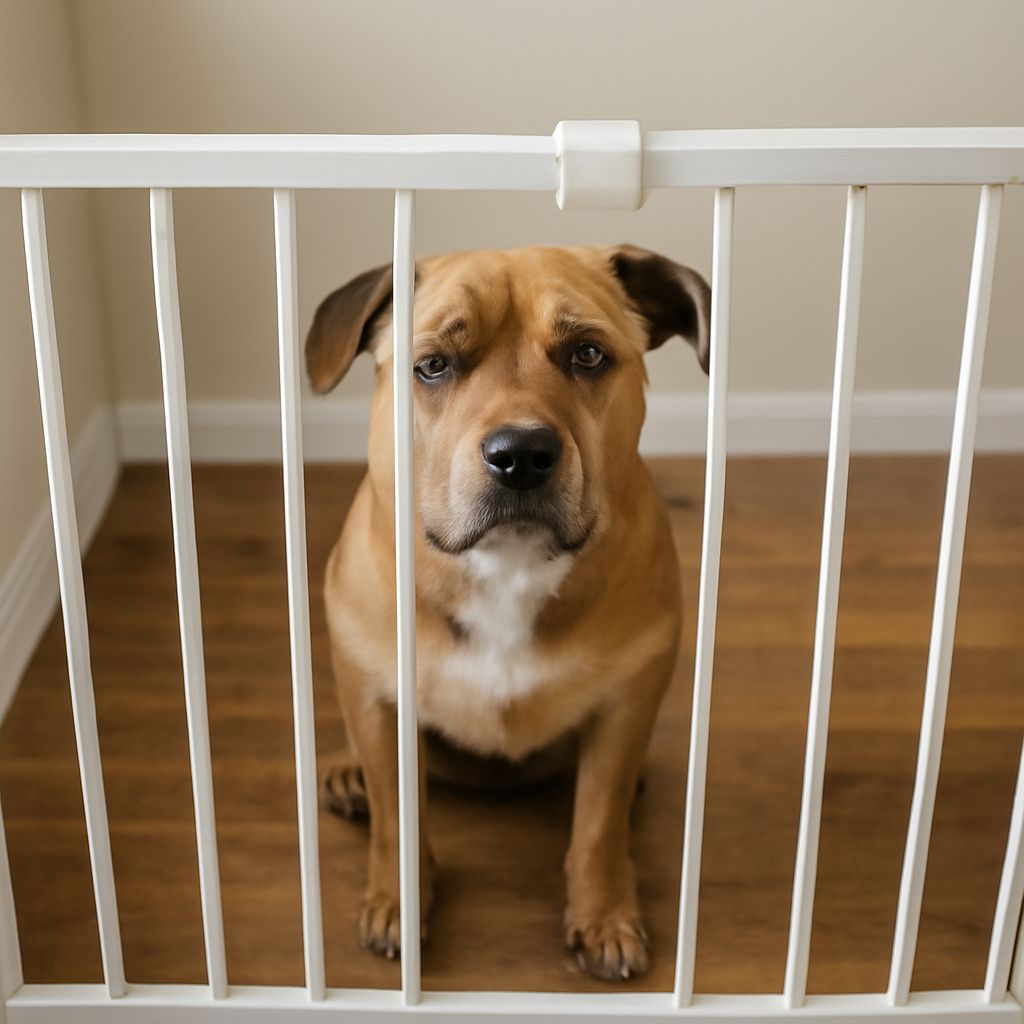
A standard gate tops out at 30 to 32 inches. For dogs that jump — Labs, Weimaraners, standard Poodles — look for gates reaching 36 to 48 inches. Bar spacing should be narrow enough that your dog cannot fit its head through and get stuck, typically no wider than 2.5 inches.
Expandable Pet Gate Designs
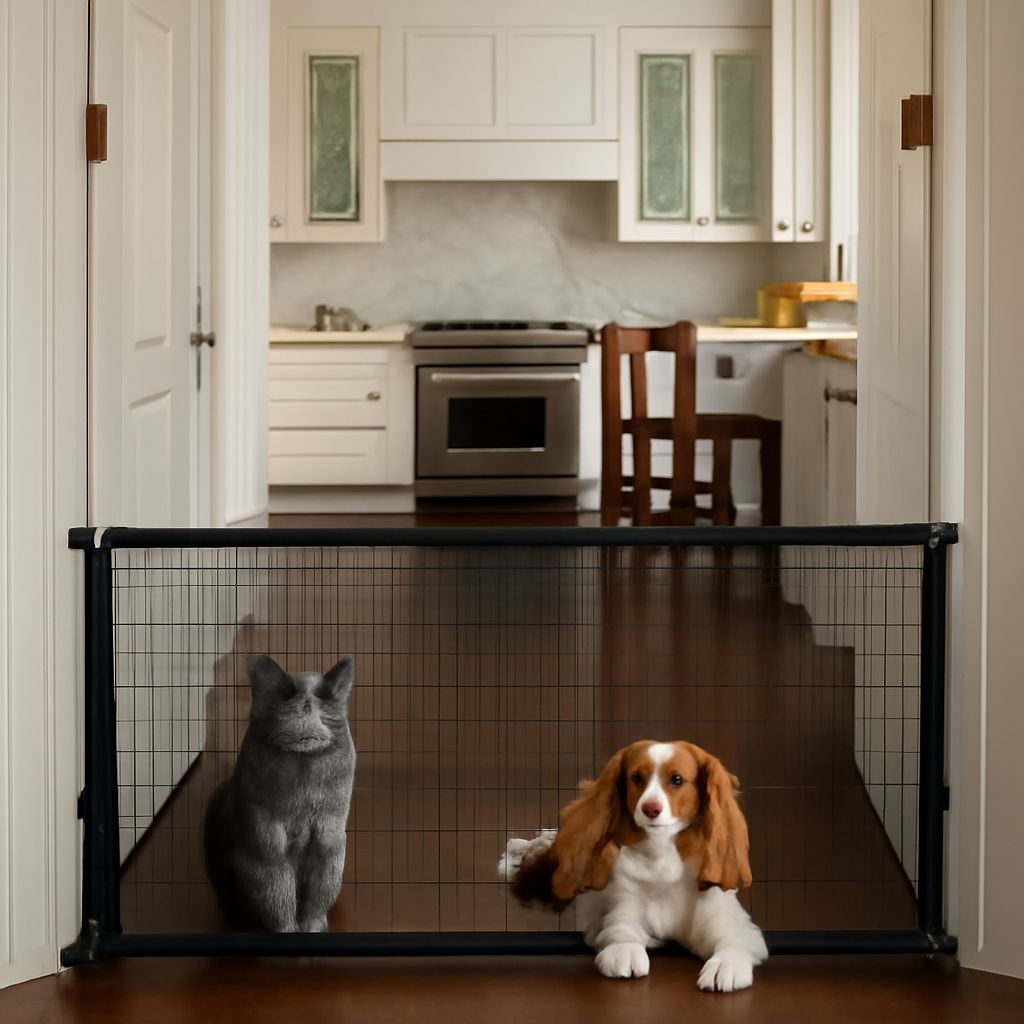
An expandable pet gate uses accordion-style or add-on panel segments to cover wider openings that standard gates cannot span. Widths of 29 to 38 inches are common for basic gates; expandable models can reach 60 inches or more, covering wide hallways, living room entrances, or open-plan areas without requiring permanent installation on every wall.
When shopping for an expandable metal design, check the maximum extension width listed by the manufacturer, confirm the locking mechanism engages securely at full extension, and verify the gate is rated for your dog’s weight and temperament. Some expandable models use lighter metal than their standard counterparts, so read materials specs carefully.
Installing and Positioning Your Gate
Pressure-mounted gates work in doorways with flat, even surfaces on both sides. If one side is open — say, the top of a staircase — use a hardware-mounted gate only. For hardware mounting, use wall anchors appropriate for your wall type (drywall, plaster, concrete block each require different hardware). Position the gate so the door swings away from the dog’s usual side, reducing the chance of the animal learning to push it open.
Check the gate weekly for loosening pressure fittings or stripped screws. A gate that shifts even slightly under load is at risk of failing under a hard push.
Key Takeaways
A welded metal dog gate, hardware-mounted and sized correctly for your breed’s height, is the most reliable long-term barrier for large dogs. Expandable pet gate designs offer flexibility across wide openings without sacrificing durability. Match gate height to your dog’s jumping ability and always follow weight and breed recommendations in the product specs.