Pet Parents Guide to Tropical Fish: Cool Species Worth Keeping
Pet parents who keep fish often get underestimated by the broader pet community. The assumption is that fish are passive, low-effort background decoration. That is a narrow view of what aquarium keeping actually involves. Selecting coolest pet fish for a home tank requires understanding water chemistry, compatible species behavior, and appropriate tank sizing. A well-maintained tropical fish aquarium is an active hobby with real husbandry demands. The fish in it are alert, responsive to their environment, and, for some species, genuinely interactive with the people who care for them.
Before choosing any species, consider the transport method. If you are acquiring a new fish from a shop or breeder, a reliable pet porter, meaning a secure, temperature-stable container for transit, matters more than most beginners realize. Fish stressed by poor transport conditions take longer to acclimate and are more prone to disease. And while a pet hoodie is not something a fish needs, the parallel holds: preparation before the animal arrives prevents problems after. Choosing tropical pet fish starts with research, not impulse purchases based on appearance alone.
Best Tropical Fish for Home Aquariums
Hardy Species for Beginners
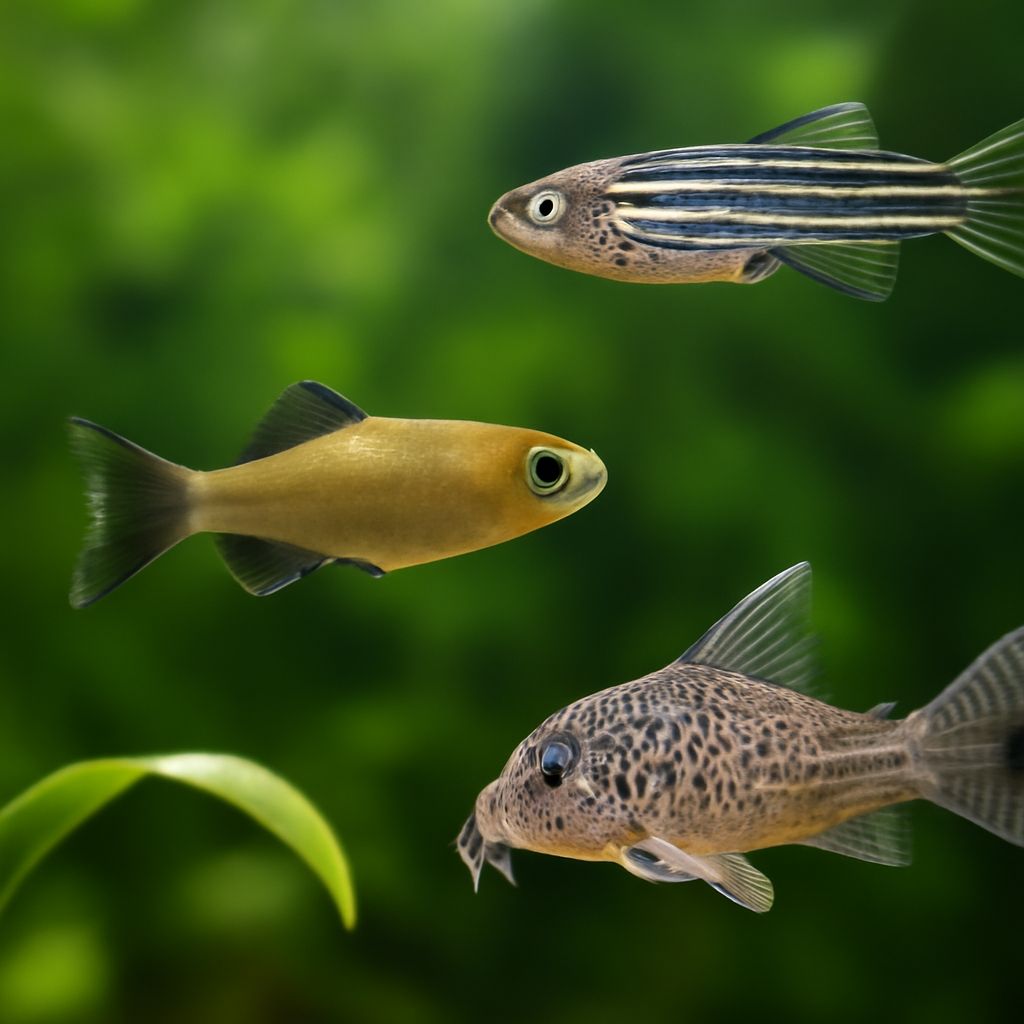
Tetras, guppies, and platies are among the most forgiving tropical fish for new aquarium owners. They tolerate minor fluctuations in water parameters, accept a range of prepared foods, and do well in community tanks. Neon tetras are one of the most recognizable coolest pet fish in the hobby. They school actively, stay small, and look striking under even basic aquarium lighting. Guppies are almost impossible to keep unsuccessfully in the right conditions, and their color varieties are extensive enough to build a themed tank around a single species.
Mollies are another solid choice. They are active, peaceful with similarly sized fish, and available in black, white, and sailfin varieties. All three of these species are among the easiest tropical pet fish to find at standard pet retailers.
More Challenging but Rewarding Species
Discus are the prestige fish of the freshwater tropical world. They require soft, warm, slightly acidic water maintained consistently, and they demand higher-quality live or frozen food to thrive. For experienced pet parents who can sustain those parameters, discus are among the most visually distinctive fish in the hobby. Apistogramma dwarf cichlids offer a similar payoff with somewhat less demanding water requirements, and their breeding behavior is genuinely interesting to observe.
Bettas deserve individual mention. A single male betta in a heated, filtered 20-liter or larger tank is a compatible solo pet for owners who want an interactive fish without a full community setup. Bettas recognize their owners, respond to movement outside the tank, and show clear behavioral cues when something is wrong with their water.
Setting Up for Tropical Fish Success
The nitrogen cycle is the foundation of every successful fish tank. Beneficial bacteria that process ammonia and nitrite must establish before fish are added. Rushing this step is the most common cause of early fish loss. Cycle the tank without fish using an ammonia source for two to four weeks, test the water until ammonia and nitrite readings reach zero, and then add fish gradually. Overloading a new tank with too many fish at once collapses the biological filter and stresses every animal in the system.
Temperature stability matters as much as the target temperature itself. Sudden drops or spikes cause immune suppression in tropical species. A quality heater with a built-in thermostat and a separate thermometer to verify the reading is the minimum equipment standard for any tropical fish setup.