Dog Hit by Car: What to Do, Legal Rules, and Safety Gear Explained
A dog hit by car is a medical emergency, but the minutes immediately after the incident are where owners make the most critical decisions. Many people freeze or act incorrectly because they have never thought through the scenario in advance. A dog struck by a vehicle is in pain and likely terrified; even the most gentle animal may bite when handled by someone it trusts. Approach calmly, muzzle the dog if possible, and minimize movement of the spine before transport. A dog stung by yellow jacket presents a far less urgent situation but still requires prompt assessment, since anaphylaxis is possible in dogs just as in humans. Knowing the difference in urgency between these two events matters.
A dog shark life jacket, meanwhile, is a water safety tool with no connection to road incidents, but it illustrates a broader point: protective gear matters across different risk environments. Dog leash laws by state and dog license requirements by state are legal frameworks designed to prevent incidents like vehicle strikes from happening in the first place. Knowing your obligations before a crisis reduces the chance of one occurring.
Emergency Response When a Dog Is Hit by a Vehicle
Immediate First Aid Steps
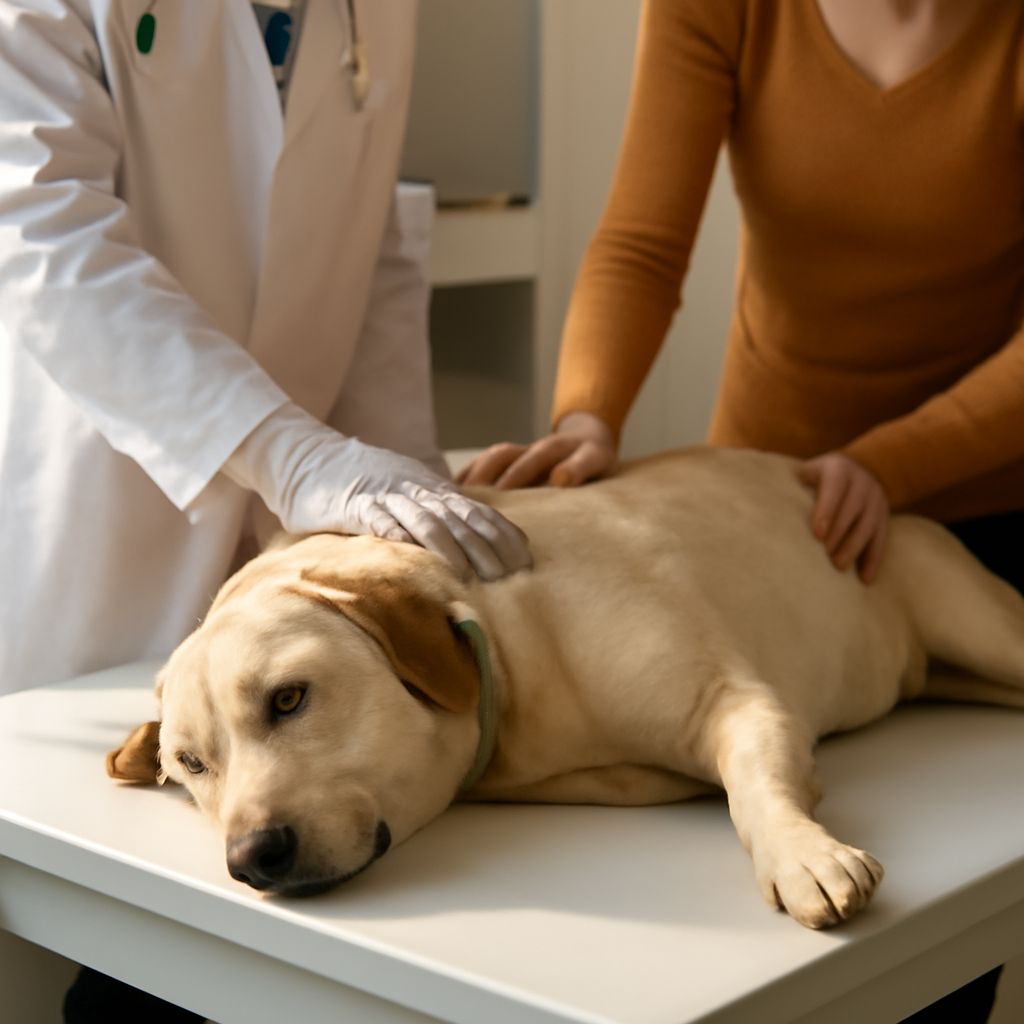
Do not pick up the dog unless it is in ongoing danger from traffic. Moving a dog with spinal trauma incorrectly causes additional damage. Use a board, a stiff jacket, or any flat rigid surface as a stretcher. Call an emergency veterinary clinic before you arrive so they can prepare for trauma care. Apply gentle pressure to any actively bleeding wounds using a cloth. Keep the dog warm, since shock causes rapid heat loss even in warm weather.
If the dog is unconscious, check for breathing and a heartbeat. CPR for dogs follows a similar pattern to human CPR: 30 compressions to 2 rescue breaths, with compressions applied to the widest part of the chest for dogs lying on their side. Only attempt this if you have confirmed the dog is not breathing and has no pulse.
Insect Stings and Allergic Reactions
A dog stung by a yellow jacket may show mild local swelling, or it may progress to anaphylaxis within 30 minutes. Signs of a serious reaction include facial swelling, vomiting, weakness, pale gums, and collapse. A dog showing these signs after a sting needs veterinary care immediately. Dogs stung multiple times are at higher risk regardless of previous reactions. A single sting with local swelling only can often be managed with cool compresses and monitoring.
Leash Laws, Licensing, and Safety Equipment
Most states require dogs to be leashed in public areas, but the specifics vary considerably. Dog leash laws by state differ in maximum leash length, designated off-leash areas, and enforcement. Some municipalities require dogs to be leashed at all times on any public property; others allow off-leash walking in designated parks with proof of training. Research the rules for your specific city and county rather than relying on general state law summaries.
Dog license requirements by state similarly vary. Most states require annual licensing through the local municipality, with proof of current rabies vaccination. Licensing fees fund animal control services and help reunite lost dogs with their owners. A licensed dog with current tags is far more likely to be returned quickly after a road incident.
Water safety equipment, including a properly fitted canine life vest, is useful for dogs near open water, on boats, or in surf conditions. Fit is everything: a vest should be snug without restricting movement, with a handle on the back for lifting a dog from water.