Dog Barking at Other Dogs: Causes, Corrections, and Holiday Pet Tips
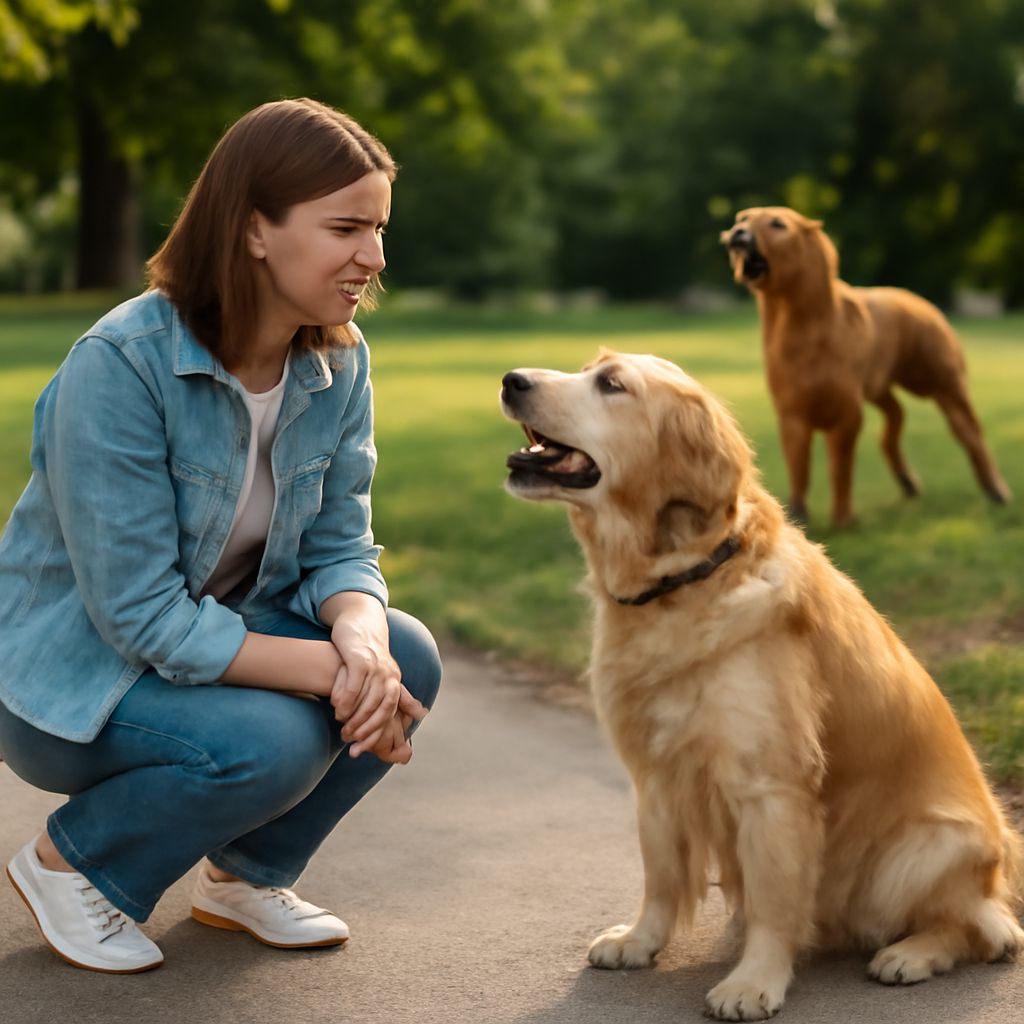
Dogs that bark at other dogs on leash are not being aggressive in most cases. Dog barking at other dogs is often a display of frustration, anxiety, or over-arousal rather than genuine aggression. The distinction matters because the training approach differs significantly. Punishing a fearful dog for barking often makes the underlying anxiety worse, while teaching an alternative behavior in the presence of other dogs produces lasting results.
Some owners discover the problem first through a christmas pet situation: a new dog brought home during the holidays meets existing pets and the barking begins immediately. Christmas dog photos shared online rarely show the chaos that actually happens during introductions. Pet raising games and virtual pet site content give children a low-stakes way to learn about animal behavior before they interact with real animals. The concepts of patience and reward transfer directly to real dog training.
Why Dogs Bark at Other Dogs
Leash Reactivity
Leash reactivity is the most common reason a dog barks at other dogs during walks. The leash restricts the dog’s ability to approach, sniff, or move away, which creates frustration. Over time, the sight of another dog becomes associated with that frustrated feeling, triggering barking before the other dog even gets close. Dogs who are calm off-leash around other dogs but reactive on-leash are almost always dealing with leash frustration rather than true aggression.
Fear-Based Barking
A dog that had a negative experience with another dog, or that was not well socialized as a puppy, may bark as a distance-increasing signal. The barking says, “stay away.” These dogs often show a tucked tail, lowered body posture, or a tendency to try to move behind the owner. Exposing this type of dog to more dog encounters without a structured desensitization plan tends to worsen the behavior rather than resolve it.
Training Approaches That Work
Desensitization and counter-conditioning are the two tools that address canine reactivity reliably. Start at a distance where the dog notices another dog but does not bark. Deliver high-value treats the moment the other dog appears. Gradually reduce the distance over many sessions. The dog learns that another dog’s presence predicts good things. Combined with a solid “look at me” or “watch” command, this gives the dog something else to do instead of barking.
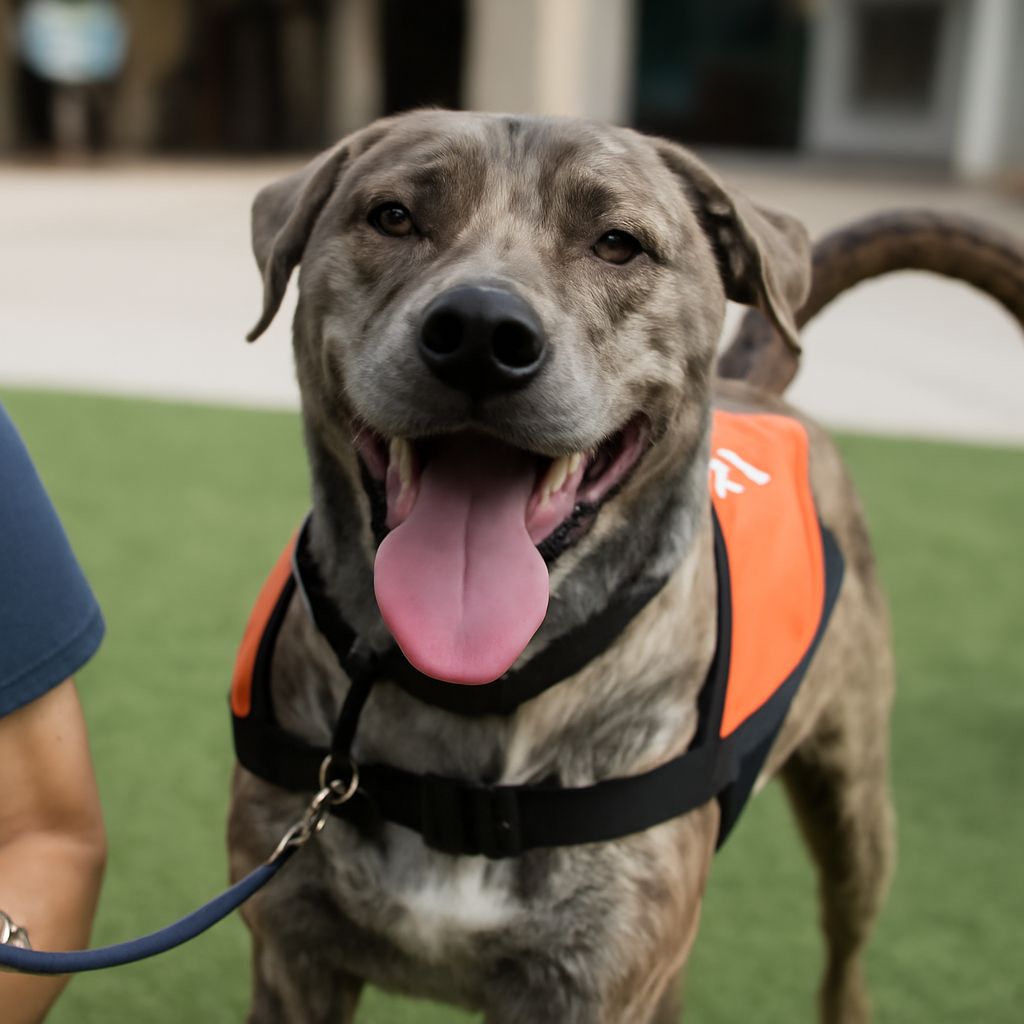
Management matters alongside training. Using distance, visual barriers, and consistent leash handling prevents rehearsal of the unwanted behavior. Every time a dog successfully barks at another dog, the behavior becomes more practiced and harder to change. A front-attachment harness reduces pulling and gives handlers more control during reactive moments.
Holiday Introductions and Pet Photography
Dogs brought home as christmas gifts are often introduced to existing pets without preparation. The same principles apply: separate first, use scent swapping, and allow the resident dog to set the pace of interaction. Holiday stress from visitors and disrupted routines also increases reactivity, so giving both dogs extra exercise and quiet time during the holiday season reduces tension.
Getting good christmas dog photos requires a calm, well-managed dog. Short training sessions before the photoshoot, a tired but settled dog, and high-value treats used as attention holders make holiday photos far more achievable. Keep sessions brief and end on a positive note rather than pushing for perfection.