Dog Hematoma: Causes, Risks of Leaving It Untreated, and When to Act
A common assumption is that a swollen dog ear will resolve on its own with time. This is often wrong. A dog hematoma is a pocket of blood that forms between the layers of the ear flap, most commonly from head shaking or scratching due to an underlying ear problem. Dog cauliflower ear is the result when a hematoma dog case goes untreated and the blood is reabsorbed unevenly, leaving the cartilage permanently thickened and distorted. Dog ear hematoma untreated leads to scarring and chronic discomfort. Dog ear hematoma left untreated causes irreversible changes to ear structure that no grooming or treatment can fully correct. Early intervention avoids all of this.
Another myth: draining a hematoma at home is a reasonable option. It is not. Home drainage introduces infection risk, does not address the underlying cause, and will not prevent recurrence. A veterinarian should manage this condition.
What Causes a Dog Ear Hematoma
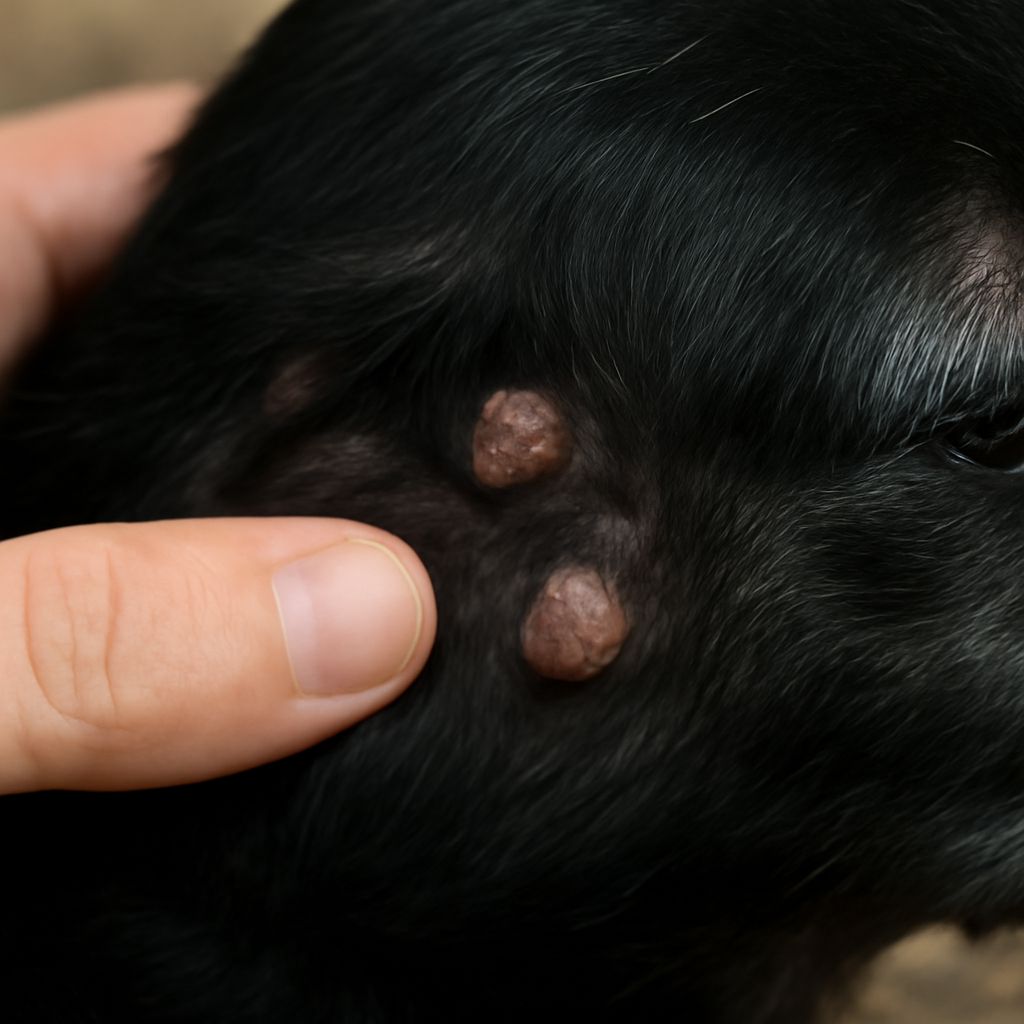
The most frequent trigger is an ear infection or ear mites causing intense itching. The dog shakes its head or scratches repeatedly, rupturing small blood vessels inside the ear flap. Blood pools and accumulates in the space between the cartilage and skin. The hematoma appears as a soft, fluid-filled swelling on the inner surface of the ear, typically appearing within hours of the triggering behavior.
Any breed can develop an aural hematoma, but dogs with large, floppy ears such as Basset Hounds, Cocker Spaniels, and Golden Retrievers are at higher risk. Dogs with chronic allergies that lead to ongoing ear inflammation are also predisposed.
Treatment Options
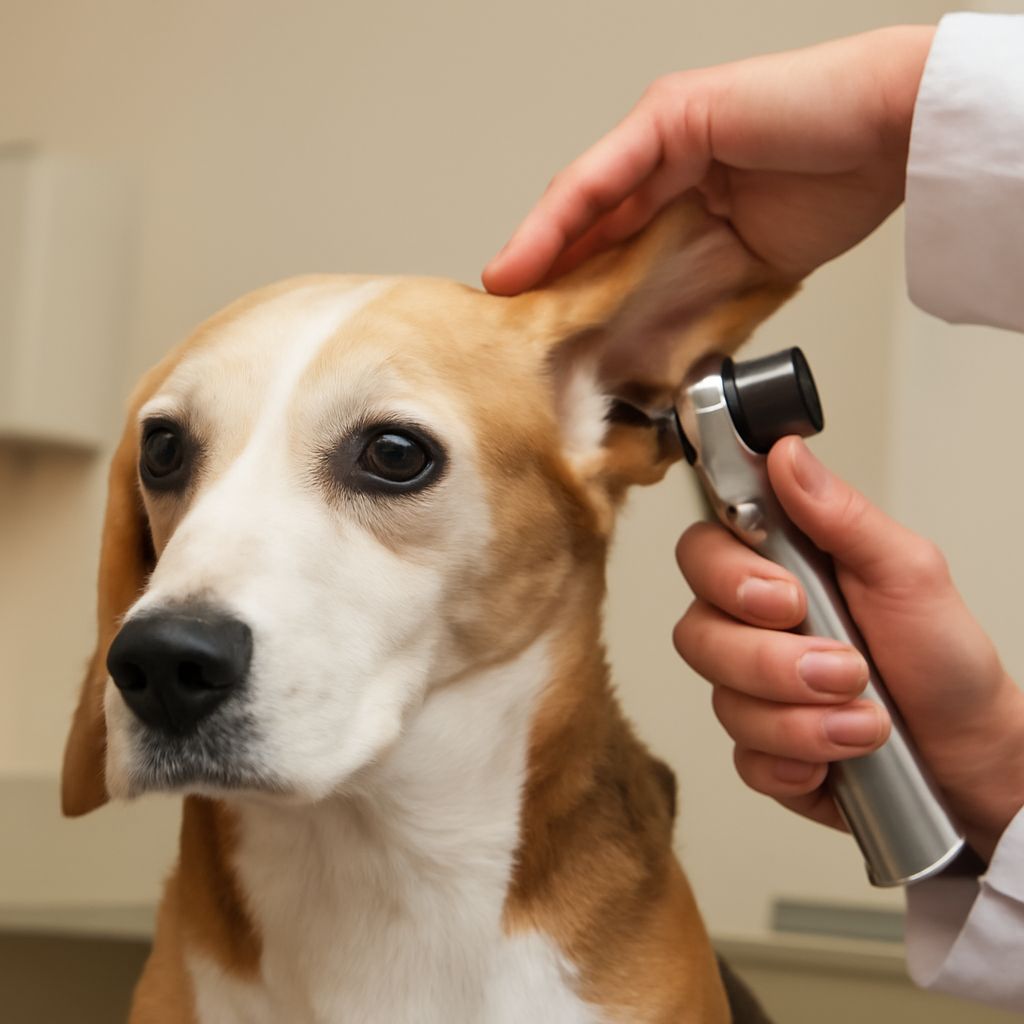
A veterinarian will first address the underlying cause: treating the ear infection, removing mites, or managing the allergy driving the scratching. The hematoma itself is treated through drainage and prevention of fluid return.
The most reliable approach is surgical: the vet makes an incision, drains the blood, and places sutures through the ear flap to keep the tissue layers pressed together while healing occurs. Without this compression step, the fluid returns. A drain tube is sometimes left in place temporarily for ongoing drainage.
For smaller hematomas, repeated aspiration with a needle may be used, but this method has a higher recurrence rate. Corticosteroid injections combined with aspiration reduce inflammation and improve success rates in suitable cases. The right approach depends on the size of the hematoma, the dog’s overall health, and how long it has been present.
What Happens If Left Untreated
Dog ear hematoma left untreated does not simply disappear cleanly. The blood eventually breaks down and is reabsorbed, but the fibrous tissue that forms during this process thickens the cartilage irregularly. The result is the classic dog cauliflower ear: a crinkled, thickened, scarred ear flap. This changes the ear’s ability to ventilate properly, increasing the risk of future infections.
Beyond cosmetic changes, a hematoma dog that goes unaddressed remains uncomfortable throughout the reabsorption process, which can take weeks. The dog continues to shake and scratch, worsening the existing damage and risking a new hematoma on the same or opposite ear.
Bottom line: A dog ear hematoma is a treatable condition that becomes a permanent problem when ignored. Seek veterinary attention as soon as you notice swelling in the ear flap. Treating the underlying ear issue prevents recurrence and keeps the ear structure intact.