Wood Dog House: Choosing and Setting Up Outdoor Shelter
A wood dog house is a practical investment for dogs that spend significant time outdoors, but quality varies enormously between products. Thin pine panels stapled to a lightweight frame look like the real thing but provide minimal insulation, warp in moisture, and fall apart faster than the dog’s expected lifespan. The material and construction method matter as much as the dimensions.
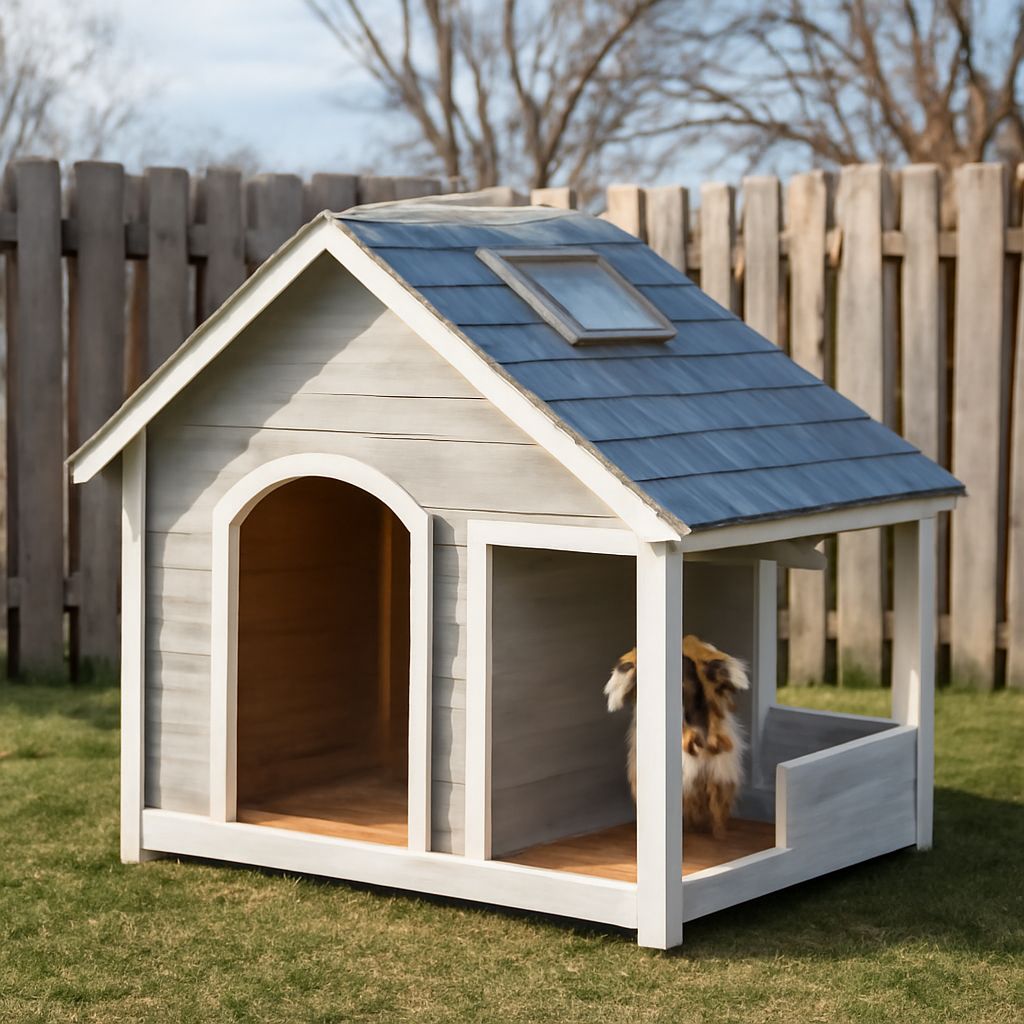
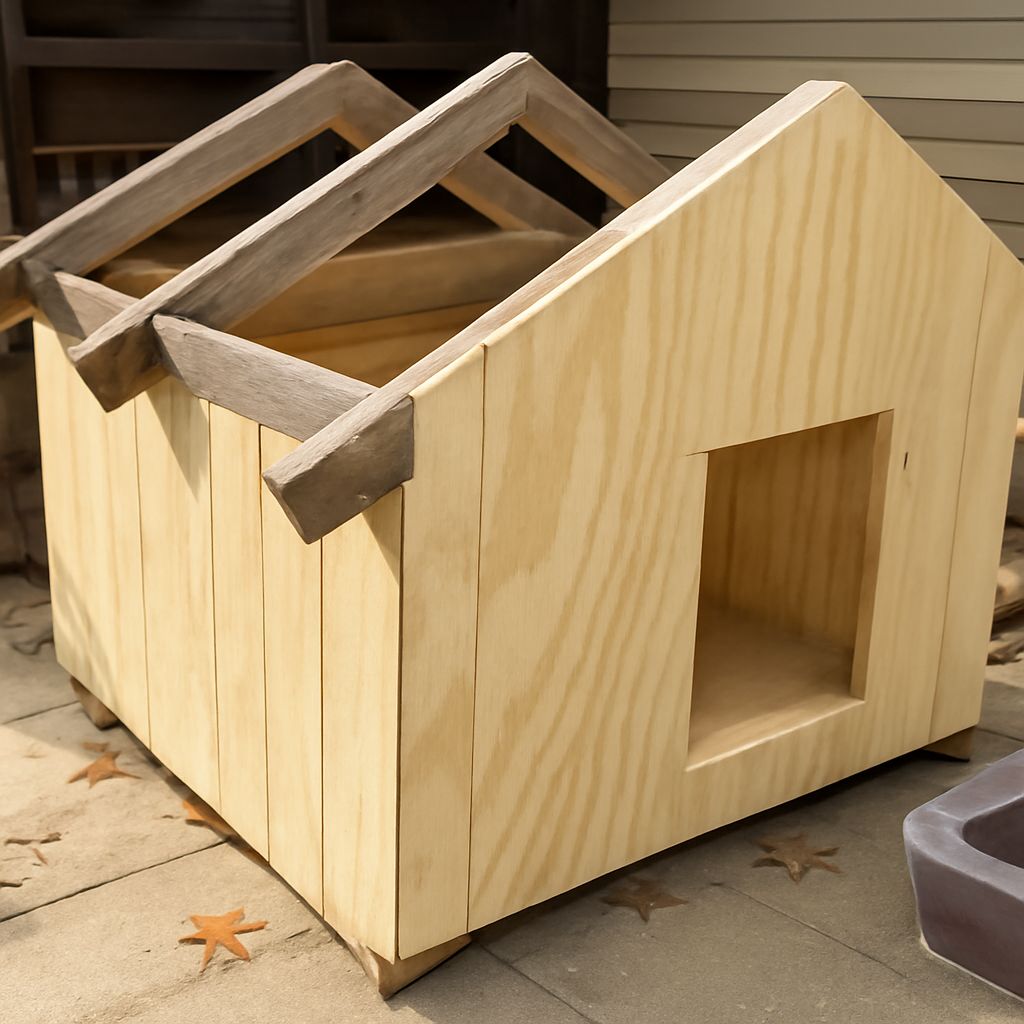
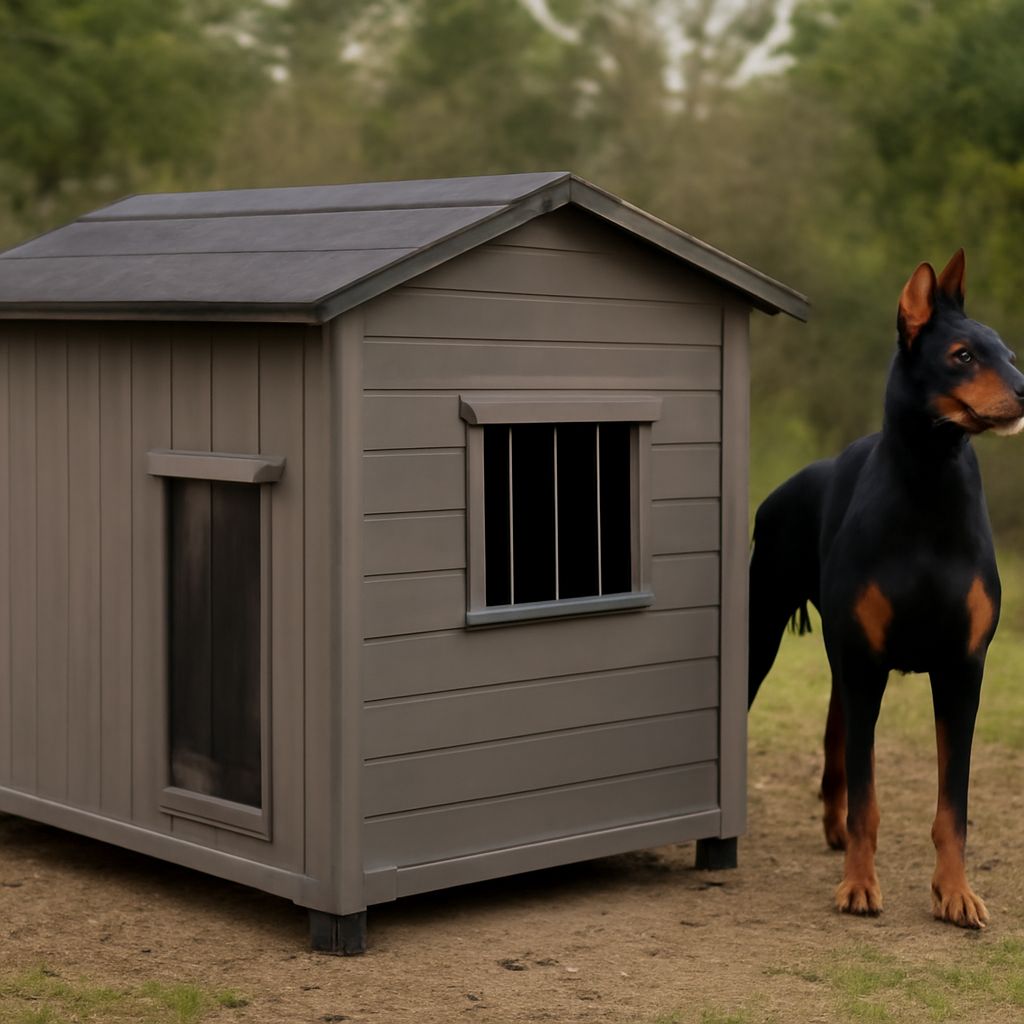
An outside dog house built from solid cedar or treated lumber behaves very differently from one made from cheap composite board. Wood dog houses made from cedar are naturally rot-resistant, repel insects to some degree, and hold up through wet winters without requiring annual replacement. A dog house with door made from solid wood also retains warmth better in cold months than plastic equivalents, which conduct cold from the outside surface directly to the interior. A well-built outdoor dog shelter protects against wind, rain, and temperature extremes — the goal is a dry, temperate space year-round, not just a rain cover.
Why Choose a Wood Dog House Over Plastic or Metal
Wood is the most effective natural insulator among common dog house materials. It keeps the interior warmer in winter and cooler in summer than metal, which superheats in direct sun, or thin plastic, which offers almost no thermal resistance. Wood also allows some air exchange through the material itself, which reduces condensation buildup inside — a real advantage in humid climates where plastic houses develop mold. Outside dog house structures in wood age well with basic maintenance (annual sealing or staining), whereas plastic becomes brittle and cracks over years of UV exposure.
What to Look for When Buying Wood Dog Houses
Size and Interior Space
The dog should be able to stand, turn around, and lie fully stretched inside. The interior shouldn’t be much larger than this — excess space means the dog’s body heat doesn’t warm the shelter efficiently in cold weather. Measure your dog’s length from nose to tail base and height at the shoulder before buying. For multi-dog households, build or buy separate shelters rather than one oversized unit; dogs regulate their own heat better individually.
Door Style and Weatherproofing
A dog house with door that includes a heavy-duty vinyl flap keeps drafts out while allowing free access. The flap should overlap the door opening by at least two inches on all sides. Offset door placement — shifted to one side rather than centered — prevents wind from blowing directly through the interior when the flap is pushed open. Some wood dog houses include removable doors for summer ventilation; this flexibility is worth paying for in climates with wide seasonal temperature swings.
Floor Construction and Elevation
The floor of an outside dog house should be raised at least three to four inches off the ground on legs or a solid base. Ground contact causes moisture wicking, accelerates wood rot, and in cold climates transfers cold directly to the dog’s sleeping surface. A raised floor with ventilation space beneath it stays drier and lasts longer. Check that the floor panels are at least 3/4 inch thick — thinner floors flex underfoot and delaminate quickly.
Setting Up an Outdoor Dog Shelter Correctly
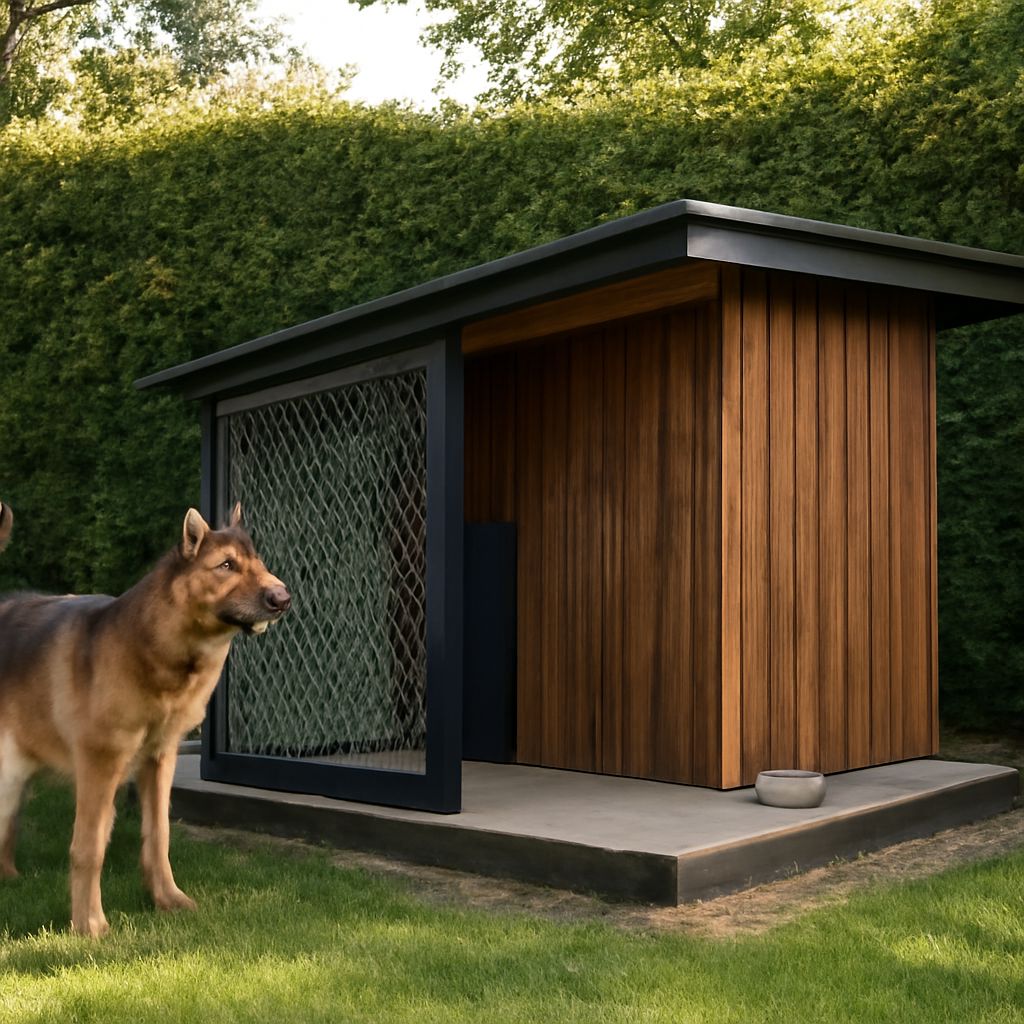
Position the outdoor dog shelter with the door facing away from the prevailing wind direction. Place it in partial shade rather than full sun to moderate summer temperatures. Add a removable floor pad or cedar shavings for bedding — avoid hay or straw in wet climates, as they mold rapidly. Check the wood exterior each spring for cracking or peeling finish and reseal as needed. A properly maintained wood dog house lasts ten or more years with basic seasonal care.
Safety recap: Inspect the shelter monthly for protruding nails, splinters, or structural damage. Replace worn door flaps before winter to prevent cold exposure. Never use treated lumber containing arsenic-based preservatives inside the sleeping area.