Small Pet Pig: What to Know Before Getting One
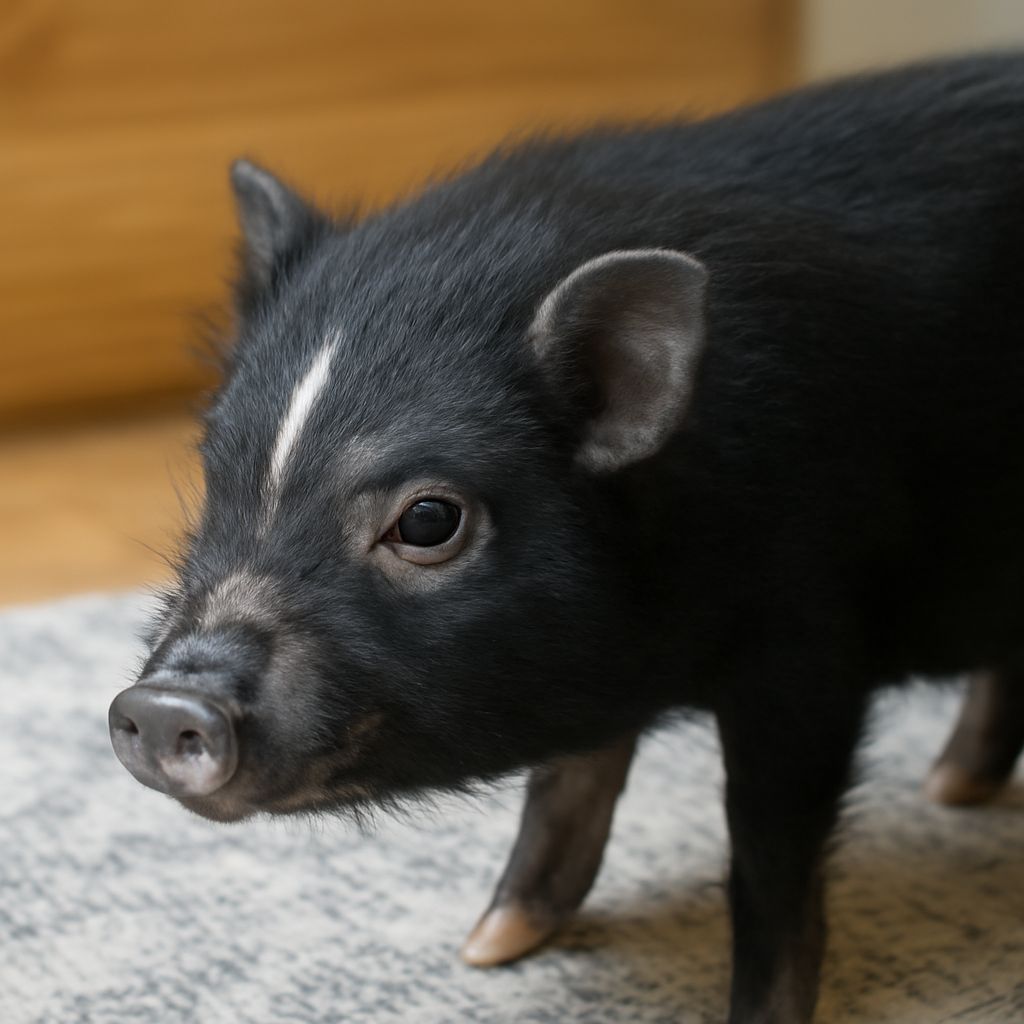
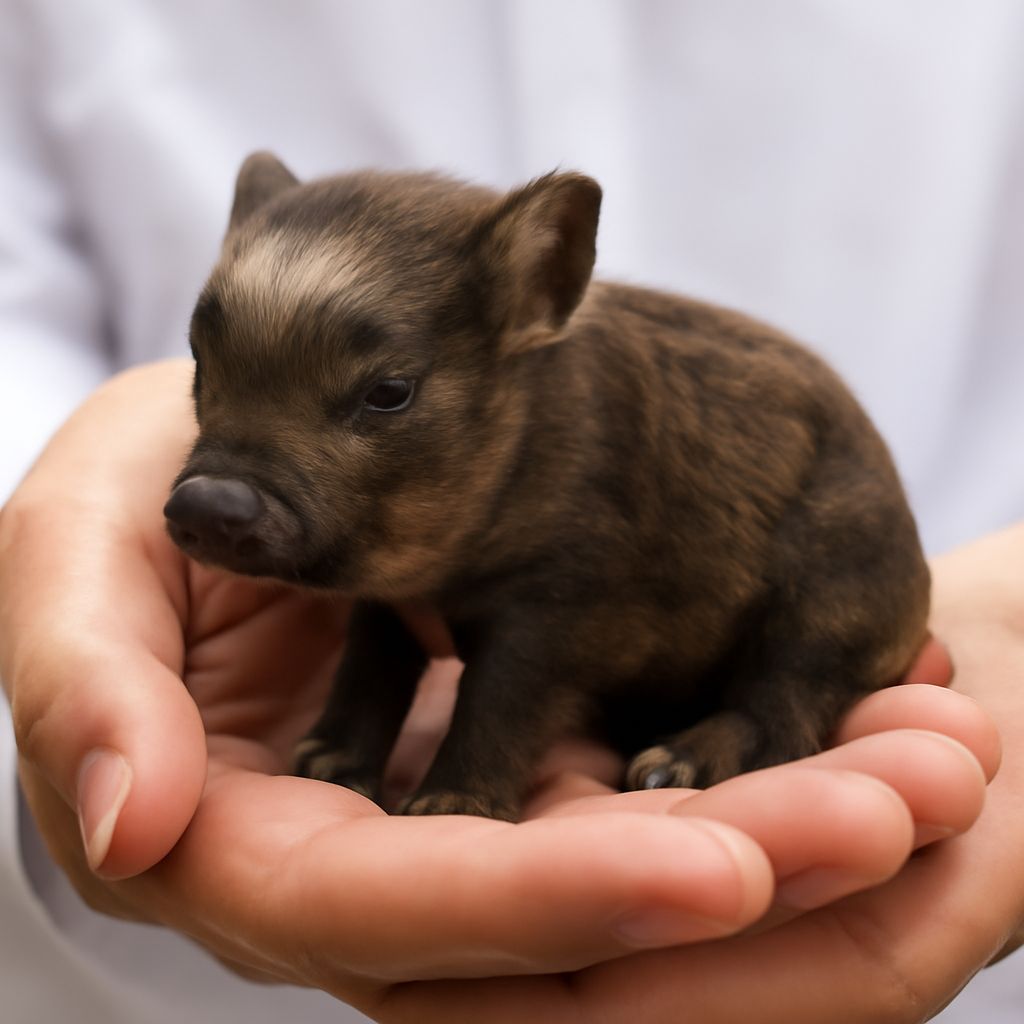
A small pet pig sounds like a compact, low-maintenance companion, but the reality of pig ownership surprises most first-time owners within the first few weeks. Mini pet pigs are highly intelligent, socially complex animals that need structured daily interaction, adequate outdoor space, and a diet managed more carefully than most dog or cat diets. The term “small pig pet” does not reflect a consistent size category: many pigs sold as miniature or pocket-sized grow well beyond the weight shown in the breeder’s photos. Miniature pet pigs, often marketed under names like micro pig or teacup pig, do not represent an actual breed with predictable adult sizes. A pet teacup pig sold at eight weeks of age will likely reach thirty to sixty pounds or more at full adult size, which typically is not reached until age three to five. Managing expectations before purchase prevents the most common outcome: a pig surrendered to a rescue at age one because it grew larger than expected and proved harder to manage than anticipated.
Pigs are not dogs. They do not bond through the same mechanisms, they test boundaries persistently, and they require owners who understand pig behavior rather than applying dog training assumptions to a fundamentally different animal.
What a Small Pet Pig Actually Needs
Space and Outdoor Access
A small pig kept entirely indoors in an apartment will develop behavioral problems from boredom and insufficient rooting opportunity. Rooting is a hardwired behavior: pigs use their snouts to push against surfaces to find food, and a pig denied this outlet redirects it to baseboards, carpet edges, and furniture legs. An outdoor area with a rooting box, a section of loose soil or sand designated for digging, channels this behavior constructively. Even a small pig pet needs at least a thirty-square-foot outdoor area to express natural behaviors daily. Many municipalities have zoning restrictions on pig ownership, so check local ordinances before purchasing.
Diet and Feeding Schedule
Mini pet pigs should eat a pelleted pot-bellied pig feed formulated for their life stage, not dog food, cat food, or “pig starter” feeds designed for commercial hogs. Commercial hog feed is engineered for rapid weight gain and causes obesity in pet pigs within months. A healthy adult pig weighing thirty pounds needs roughly one to two cups of pig pellets per day split into two meals, adjusted by the manufacturer’s guidelines and the vet’s recommendation. Fresh vegetables make up twenty to thirty percent of the diet: leafy greens, cucumbers, and bell peppers work well. Avoid avocado, onion, and anything high in salt or sugar. Overfeeding is the most common health mistake pig owners make.
Social and Mental Stimulation
Pigs are social animals that do poorly in isolation. A miniature pet pig kept alone without adequate interaction from a person or another pig will develop destructive behaviors, aggression at feeding time, and signs of chronic stress. Foraging toys, puzzle feeders, and scatter feeding, where food is spread in grass or a rooting box rather than placed in a bowl, give pigs an outlet for their strong food-seeking drive. Training using positive reinforcement keeps pigs mentally engaged and improves behavior during handling, veterinary visits, and hoof trimming.
The Truth About Miniature and Teacup Pigs
How Big Mini Pet Pigs Actually Get
No recognized pig breed stays at the size shown in most breeder promotional photos taken of young piglets. The smallest recognized pot-bellied pig lines top out at roughly thirty to sixty-five pounds at adult weight. Some individuals reach over one hundred pounds even from breeders who market small pet pig lines. Adult size is best assessed by asking to see both parents in person at their actual adult age, which is three to five years, not the one- or two-year-old parents sometimes shown to buyers.
Why Teacup Pig Marketing Is Misleading
The pet teacup pig label is a marketing term with no breed registry backing. Breeders who produce very small pigs often do so by restricting food intake in the breeding animals, causing the offspring to be born smaller but to grow normally once fed adequately. Some “teacup” pigs are simply young pot-bellied pigs sold before buyers can see adult size. The American Mini Pig Association and similar registries provide size standards for legitimate lines, which remain far larger than the teacup label implies. Research the specific line, ask for photos of adult relatives, and consult a veterinarian experienced with pigs before committing to a purchase.
Is a Pet Pig Right for You
A pig is a good fit for an owner with outdoor space, time for daily interaction and enrichment, willingness to learn pig-specific behavior and nutrition, and access to a veterinarian who treats exotic animals. It is a poor fit for apartment living, households with very young children who cannot be supervised around a food-motivated animal, or owners who expect pig temperament to resemble a dog. Bottom line: do the research before you buy, verify adult size from actual adults of the breeding line, and connect with a pig rescue or sanctuary to hear from experienced owners about what daily life actually looks like.