How Long Does It Take to Spay a Dog and Other Dog Health Questions Answered
How long does it take to spay a dog is one of the most frequently searched pre-surgery questions, and the answer is more nuanced than a single number. How much does it cost to microchip your dog varies by clinic and region, but the range is narrower than most owners expect. How long does a dog live with Cushing’s disease depends entirely on when the disease is caught and how well it responds to treatment. What does it mean when a dog cuddles with you is a behavioral question that comes up in vet waiting rooms and online forums alike, often from owners who want reassurance that their dog’s closeness is not a symptom of anxiety. How long does it take a dog to recover from parvo is the most urgent of these questions because parvovirus is life-threatening and recovery timelines carry real stakes. These five questions span very different health topics but share the quality of being asked by owners who want concrete, reliable answers.
The assumption that most dog health questions have a single clean answer rarely holds. Every timeline and cost range in this article reflects general data, not a substitute for advice from your own veterinarian who knows your specific dog.
How Long Does a Dog Spay Procedure Take
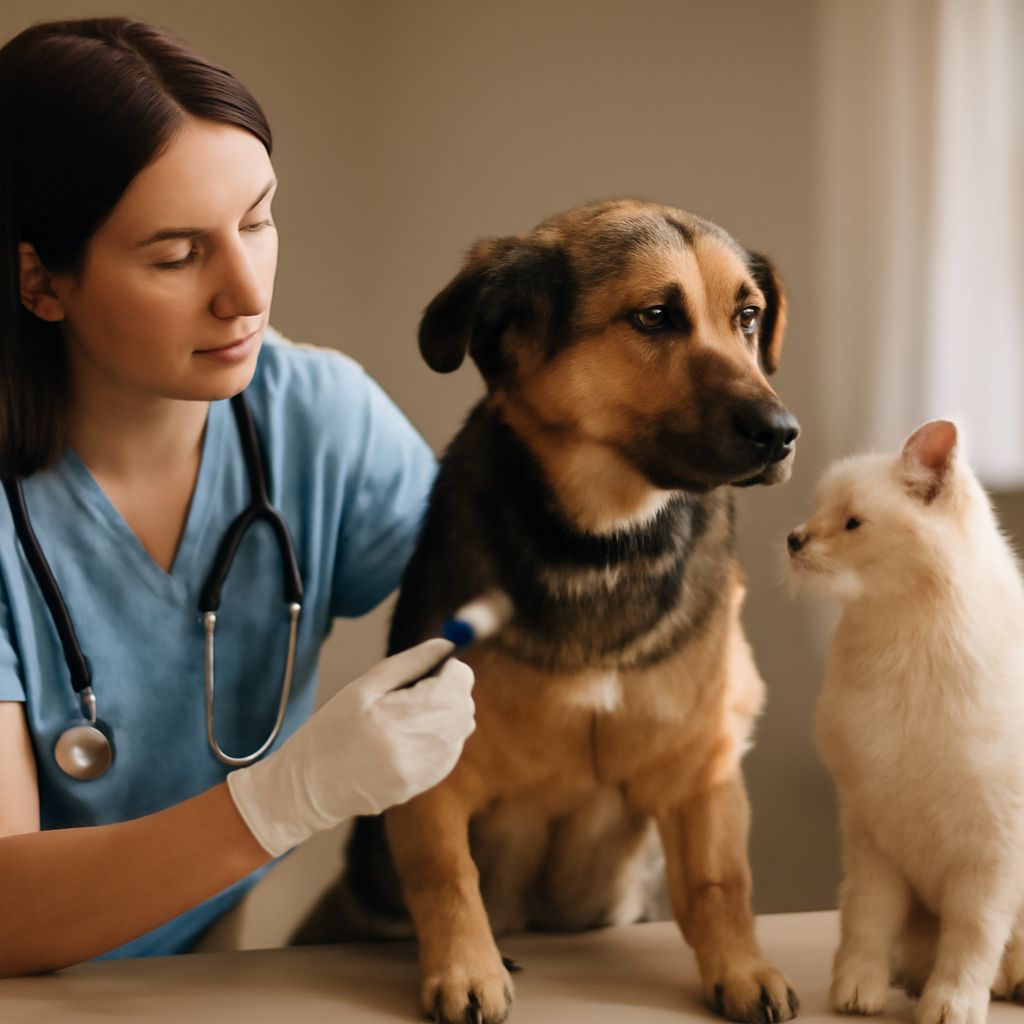
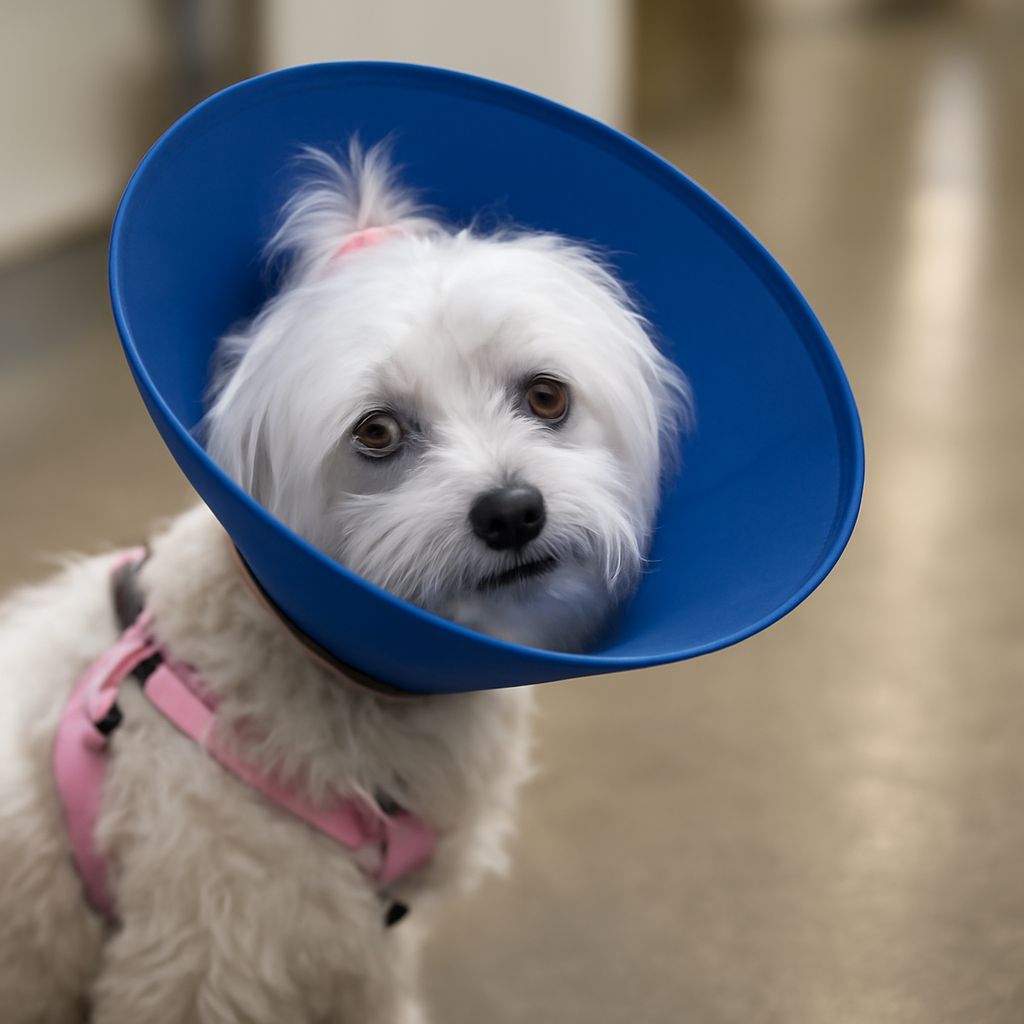
The surgical portion of a routine dog spay takes between forty-five and ninety minutes for most adult dogs. Younger dogs and smaller breeds tend to be on the shorter end of that range. Larger dogs, older animals with more body fat, and dogs with any anatomical complications take longer. Add pre-surgical preparation time of twenty to forty minutes for anesthesia induction and monitoring stabilization, plus post-surgical recovery of one to three hours in the clinic before discharge. The total time at the veterinary facility typically runs four to eight hours, though the dog is in the surgical suite for a fraction of that window. Full tissue recovery at home takes ten to fourteen days, with exercise restriction remaining in place until suture removal.
Microchipping Costs and What to Expect
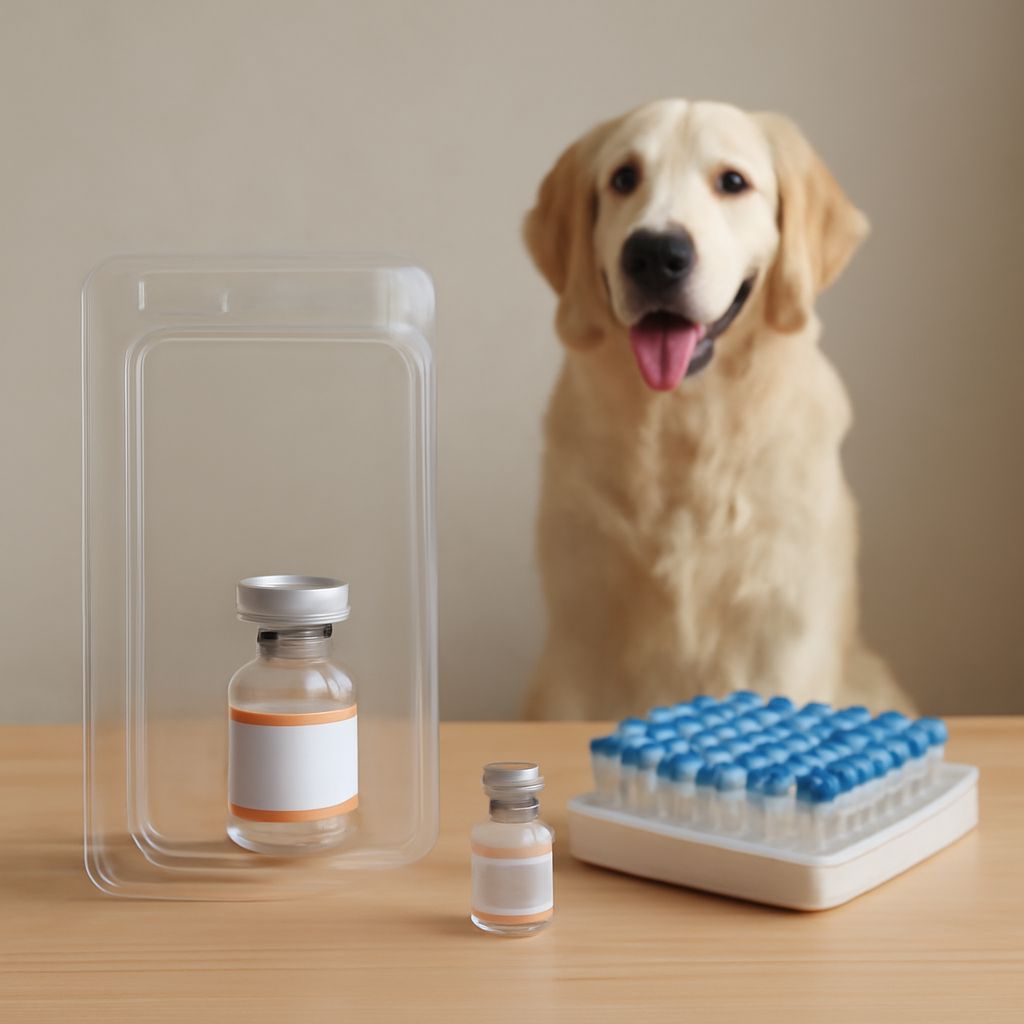
Microchipping a dog at a private veterinary clinic costs between $25 and $75 in most parts of the United States, including registration in a national pet recovery database. Low-cost clinics, animal shelters, and pet adoption events often offer the procedure for $10 to $25. The chip itself is roughly the size of a grain of rice and is injected under the skin between the shoulder blades using a needle similar in size to a standard vaccination needle. The procedure takes under thirty seconds and causes brief discomfort comparable to a routine shot. A chip lasts the dog’s lifetime without replacement.
Cushing’s Disease in Dogs: Life Expectancy
A dog diagnosed with Cushing’s disease, also called hyperadrenocorticism, can live two to four years beyond diagnosis with appropriate treatment, and some dogs with well-controlled disease live longer than that. The most common form involves a benign pituitary tumor that overproduces ACTH, which in turn drives excess cortisol production. Dogs treated with trilostane or mitotane, the standard medications for this condition, require regular monitoring blood tests every three to six months to adjust dosing. Dogs whose Cushing’s is caused by an adrenal tumor have a more variable prognosis depending on whether the tumor is benign or malignant and whether surgical removal is possible.
Why Dogs Cuddle and What It Means
When a dog presses close to you, rests its head on your lap, or leans its full body weight against you, it is seeking proximity to a trusted attachment figure. Research measuring oxytocin levels in dogs and their owners confirms that physical contact between bonded pairs elevates oxytocin in both parties. Dogs that cuddle are not necessarily anxious, though dogs with separation anxiety do tend to seek close body contact more urgently. A calm dog that settles beside you or against you is showing comfort and social bonding. A dog that follows you from room to room, cannot settle when slightly separated, and pants or drools when you prepare to leave is showing anxiety-driven clinginess, which is a different behavioral pattern worth addressing with a trainer or behaviorist.
How Long Parvo Recovery Takes in Dogs
Parvovirus recovery in dogs that receive prompt veterinary treatment takes five to ten days of hospitalization in most cases. During that time, dogs receive intravenous fluids, anti-nausea medications, antibiotics to prevent secondary infection, and nutritional support. The mortality rate for treated dogs ranges from five to twenty percent depending on the dog’s age, vaccination status, and how quickly treatment began after symptoms appeared. Unvaccinated puppies under six months old have the highest mortality risk. After discharge, a recovering dog remains weak for one to three additional weeks and requires careful nutrition management and restricted activity. Dogs that survive parvo shed the virus in their feces for several weeks post-recovery and should be kept away from unvaccinated dogs during that period. Bottom line: all five of these health topics involve timelines and costs that shift with individual circumstances, so treat every estimate here as a starting point for a conversation with your vet rather than a fixed number.