Dog Twitching in Sleep: What Normal Looks Like and When to Worry
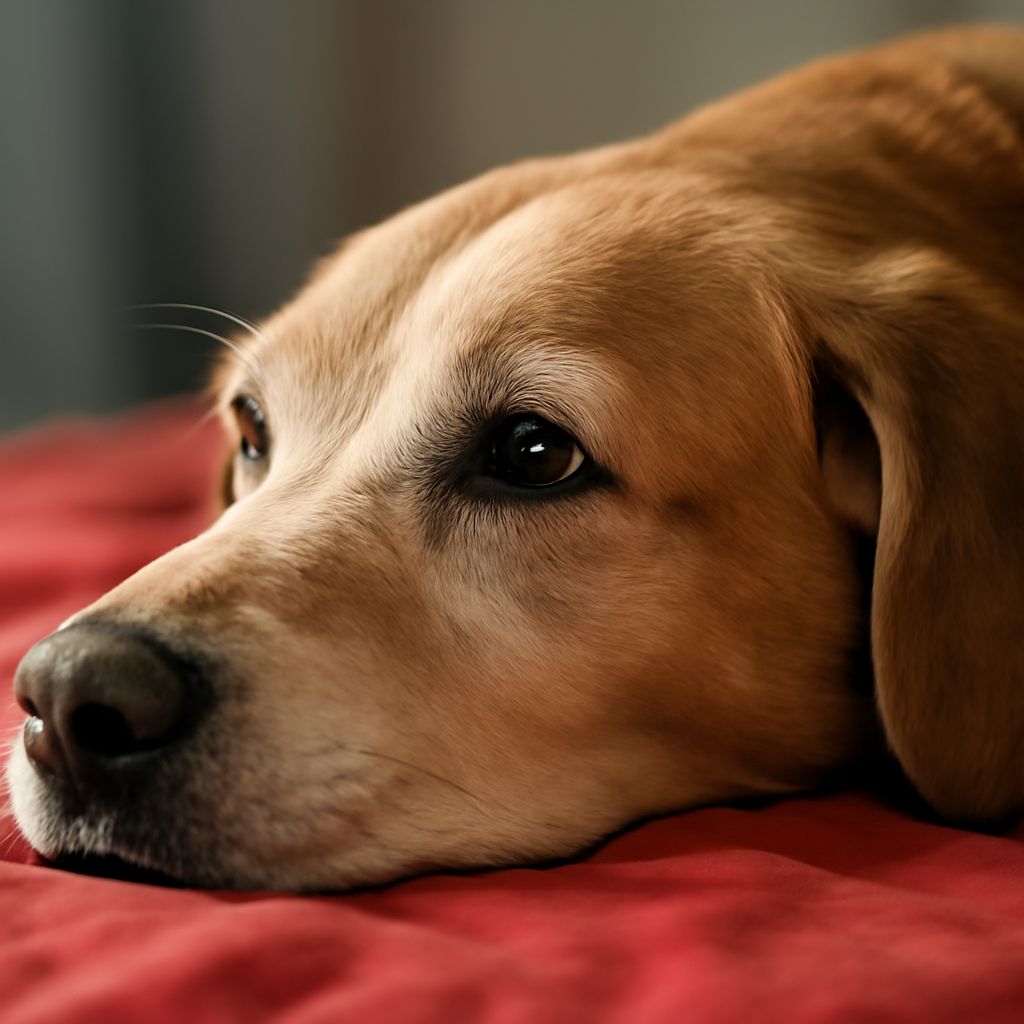
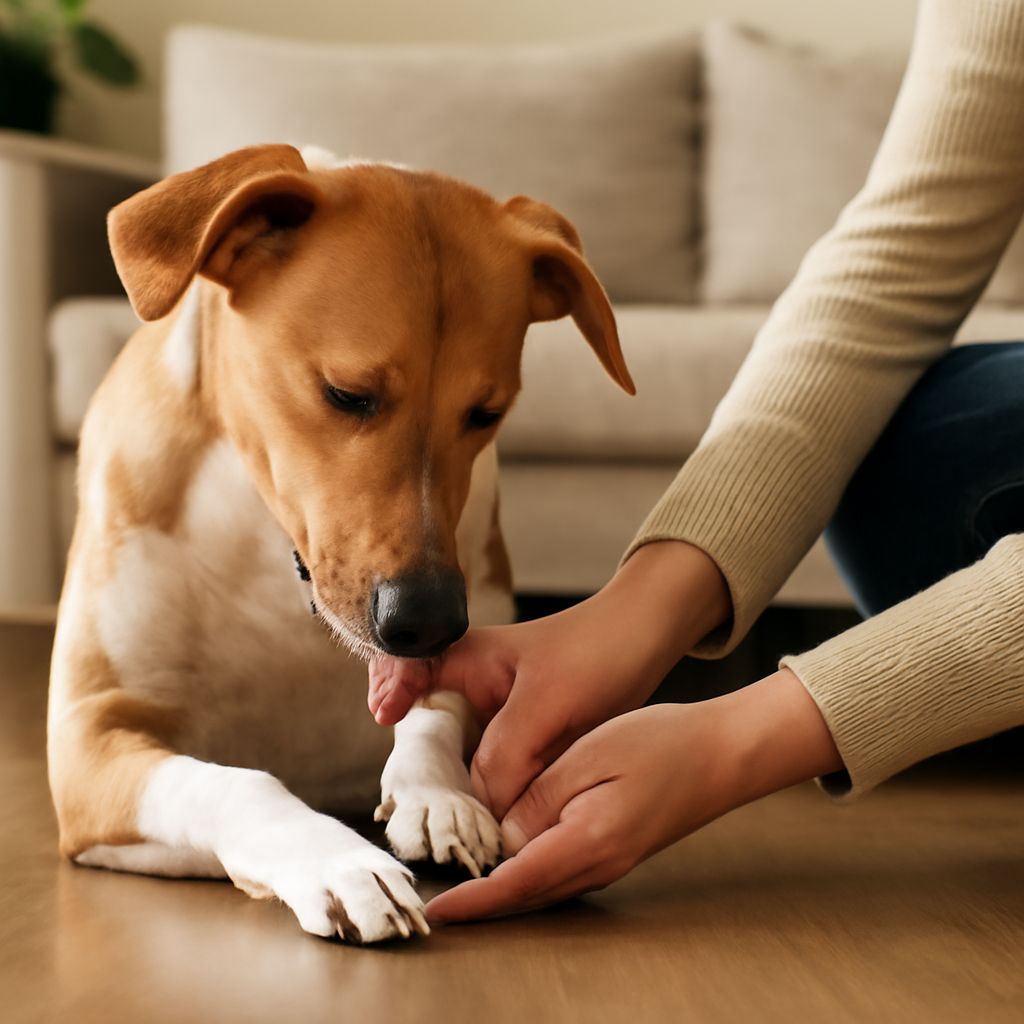
Dog twitching in sleep is one of the most alarming things a new owner witnesses, and yet in most cases it is completely normal. The movement happens during REM sleep when the brain processes the day’s experiences, and muscles respond to dream activity. Why does my dog yawn when I pet him is another question owners ask with concern, assuming yawning signals boredom or displeasure. A yawn during petting is often a calming signal, meaning the dog is asking for a pause, not expressing rejection. Why does my dog lick my wounds is a third question rooted in instinct. Dog saliva contains enzymes with mild antimicrobial properties, and licking is a natural response to injury. Do not let dogs lick open wounds on humans, however, because oral bacteria can cause infection.
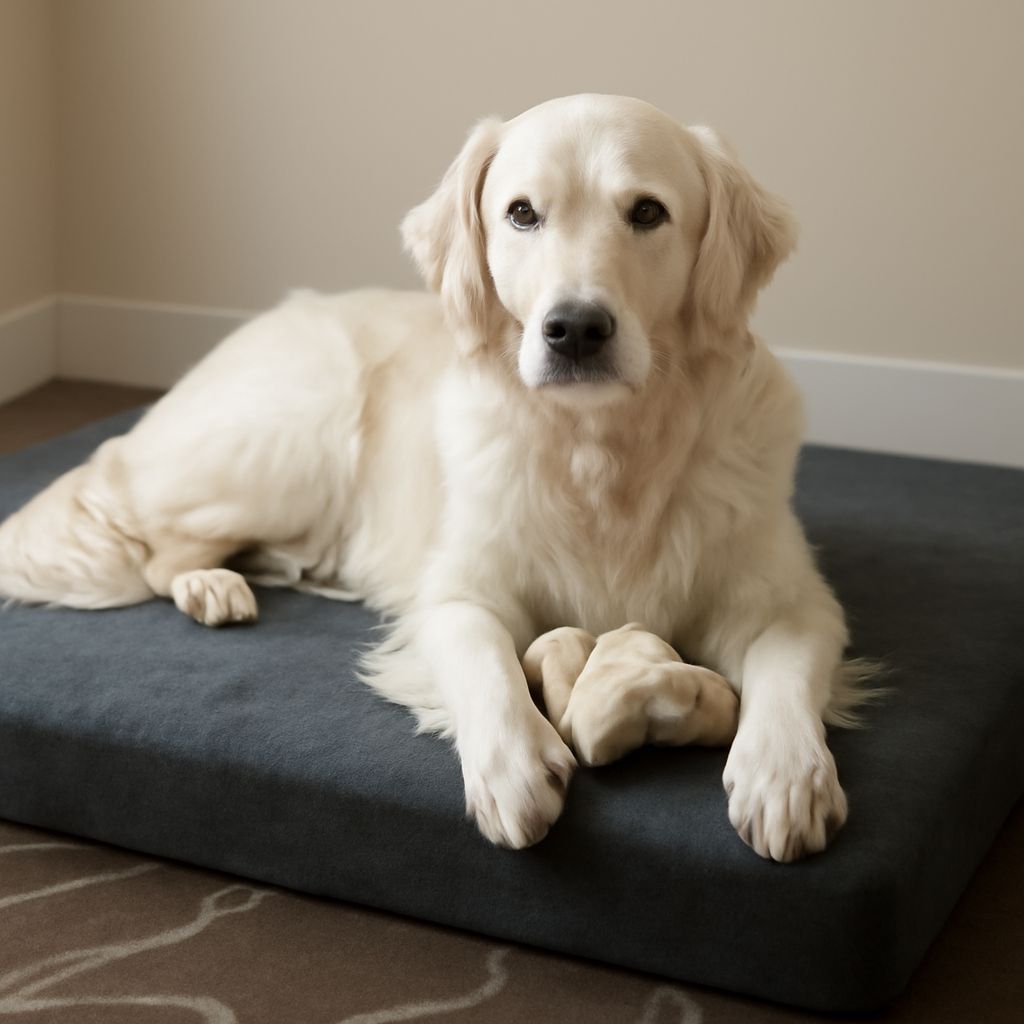
Why does my dog sleep on my pillow makes practical sense from the dog’s perspective. The pillow carries the owner’s scent and provides a slightly elevated, warm surface. Allowing it is a personal choice, but dogs with resource guarding tendencies should not be given access to sleeping spaces without behavior guidance first. Why does my dog twitch when he sleeps is functionally the same question as the first one, just phrased differently. The short answer: REM-stage muscle activity during dreaming is the cause.
The Science Behind Sleep Twitching in Dogs
Dogs cycle through non-REM and REM sleep similarly to humans. During REM, the brain’s motor cortex fires signals that would normally produce movement, but a brainstem mechanism called REM atonia suppresses most of those signals. Puppies and senior dogs have less developed or less efficient atonia, which is why they twitch more visibly than adult dogs in peak health. The leg paddling, lip quivering, and muffled barking you see during canine sleep are muscle responses leaking through an incomplete sleep paralysis system.
Physically waking a dog mid-twitch can trigger a startle reflex. The dog snaps before it is fully conscious. Let sleeping dogs complete their cycle and wake naturally unless the twitching escalates into sustained rigid muscle contractions, which may signal a seizure rather than a dream.
Distinguishing Normal Twitching from Seizures
Normal sleep twitching is irregular, brief, and stops when you call the dog’s name or gently touch it. The dog wakes easily, looks around, and returns to normal behavior. A seizure while sleeping looks different. The dog does not respond to touch or voice, the body stays rigid or shows rhythmic convulsions, and the episode lasts longer than one to two minutes. Post-seizure dogs are often disoriented, wobbly, or temporarily blind.
If you suspect a seizure rather than dream twitching, record the episode on your phone if possible and contact your vet promptly. Seizure activity in dogs has several causes, including idiopathic epilepsy, toxin ingestion, brain lesions, and metabolic disorders. A veterinary neurological exam can identify the cause and guide treatment options.
Sleep Position and Resting Behaviors Worth Understanding
A dog that sleeps on your pillow consistently may be seeking warmth, security, or scent comfort. This behavior does not indicate dominance despite outdated claims to that effect. Dogs sleeping pressed against their owners show trust and attachment. If the behavior becomes problematic, such as disrupting your sleep or becoming guarded, a certified animal behaviorist can help establish new sleeping boundaries without conflict. Yawning during handling, rolling onto the back, and looking away are all communication signals that dogs use to reduce social tension. Learning to read them improves the owner-dog relationship considerably.