Small Furry Pets: The Best Compact Companions for Your Home
Many people assume small furry pets are low-maintenance starter animals that require minimal attention. That assumption leads to poor outcomes for both owner and animal. Cute small pets like guinea pigs, rabbits, and chinchillas have specific social, dietary, and environmental needs that demand real commitment. Small pet ideas that work well in theory can fail quickly without proper planning. Caged pets are often kept in enclosures too small for their activity requirements. And what some call cool small pets can actually be among the most complex animals to keep well.
The good news: once you understand the actual needs of these animals, they make rewarding companions that fit comfortably into apartment and family life.
Which Small Furry Pets Are Right for You?
Guinea Pigs
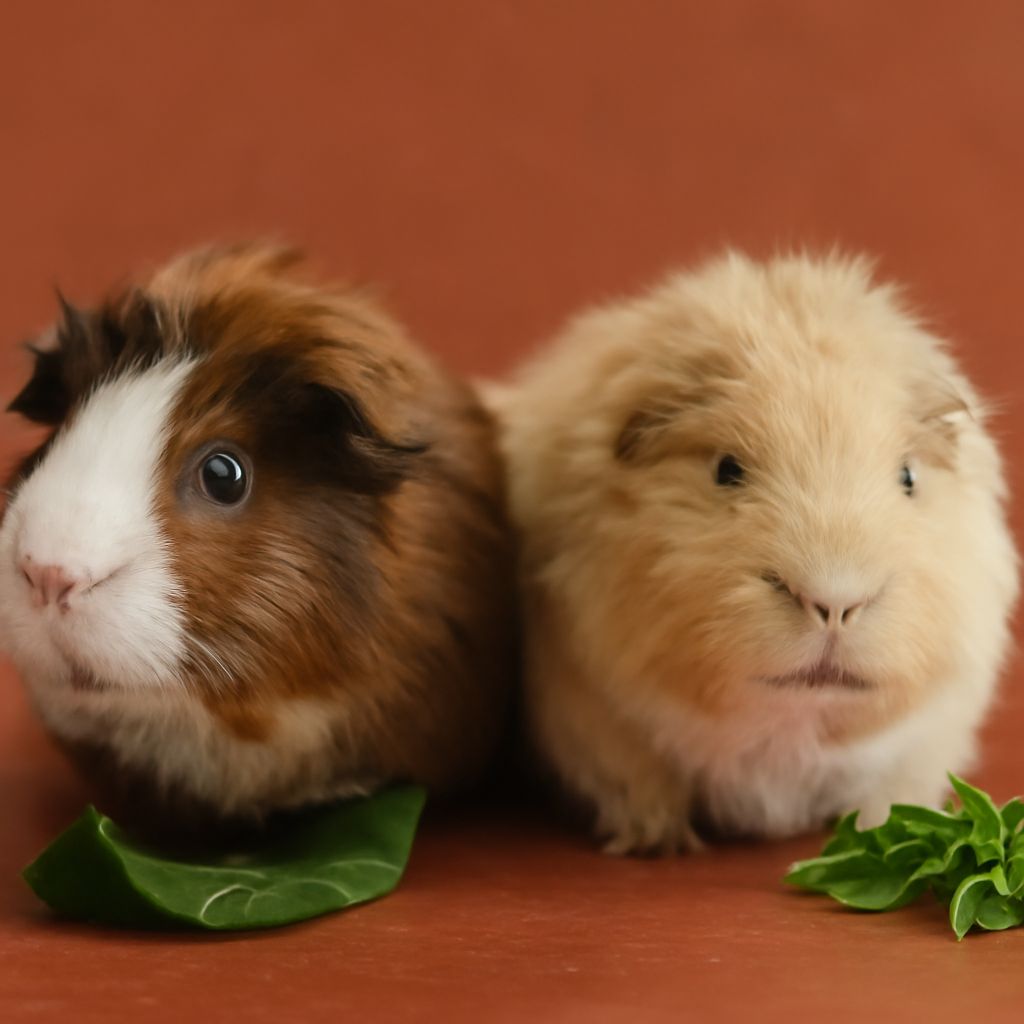
Guinea pigs are among the most social small furry animals available. They do best in pairs or small groups and need a cage at least 7.5 square feet for two animals, though larger is better. They eat hay as 80 percent of their diet, supplemented with fresh vegetables and a small amount of pellets. Their vocalizations and interactive personalities make them one of the more engaging small pet options for families with children aged six and up.
Rabbits
Rabbits are one of the most commonly misunderstood cute small pets. They are not simple starter animals. They need several hours of supervised free-roaming time daily, a large enclosure, a hay-based diet, and regular veterinary care including spay or neuter surgery. When housed and handled correctly, rabbits form strong bonds with their owners and live eight to twelve years.
Hamsters and Gerbils
Hamsters are a practical small pet idea for owners who prefer a more independent animal. Syrian hamsters are solitary and territorial, so each needs its own cage. Gerbils, by contrast, do well in same-sex pairs. Both species need burrowing substrate, enrichment items like wheels and tunnels, and a diet of quality pellets supplemented with seeds and fresh food.
What Caged Pets Actually Need
The term “caged pets” is often used to describe any small animal kept in an enclosure, but this framing understates what these animals require. Cage size is the most common point where care falls short. Many commercially sold cages are too small for the species they are marketed for. A single dwarf hamster, for example, needs at minimum 450 square inches of floor space, yet most pet store cages provide far less.
Enrichment inside the enclosure also matters. Wheels, hides, tunnels, and foraging opportunities reduce stress and stereotypic behaviors. Regularly rotating enrichment items keeps the environment mentally stimulating for animals that are naturally active explorers.
Cool Small Pets Beyond the Usual Options
Owners looking for something less common often consider chinchillas, degus, or rats. Rats are particularly underrated as small companion animals. They are highly intelligent, trainable, and form close bonds with their owners. They do best in groups of two or more and need large multi-level enclosures with daily out-of-cage time.
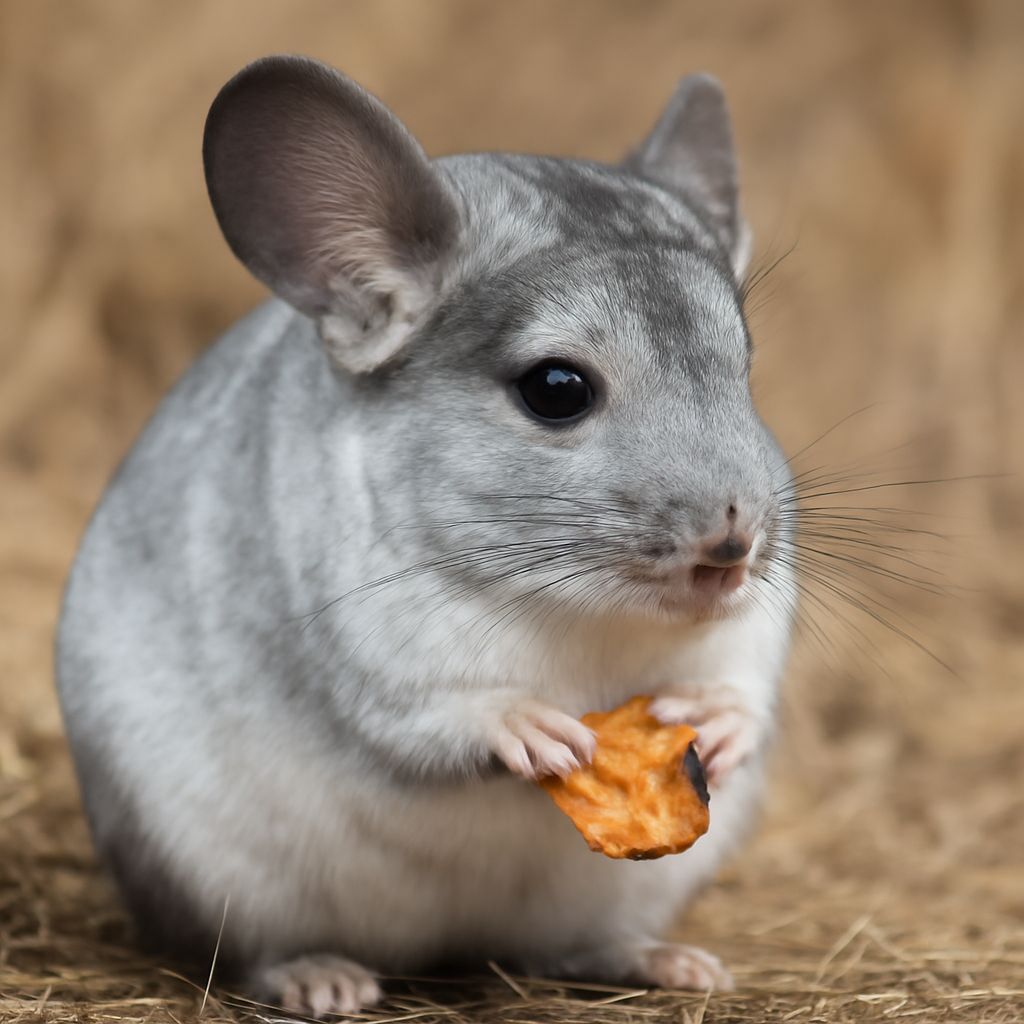
Chinchillas live 15 years or more and require specific temperature control (under 72°F), dust baths, and a low-fat, high-fiber diet. They are better suited to experienced pet owners than to first-time small animal keepers.
Regardless of which species you choose, research the animal’s lifespan, veterinary availability in your area, and total care costs before purchasing or adopting. Many small furry animals end up in rescues because owners underestimated the commitment involved.