Best Pet Birds for Beginners: Species, Care, and What to Expect
The best pet birds for beginners are not always the most visually striking or the most talked-about online. Common pet birds like parakeets and cockatiels have earned their popularity through genuine compatibility with new bird owners, not just availability. Pet birds for beginners should be hardy, manageable in noise level, and tolerant of the learning curve that comes with a first bird. Common bird pets range from finches that need minimal handling to African greys that require hours of daily interaction. Popular pet birds like macaws appear frequently in pet store windows, but they are not appropriate starting points for someone with no bird experience. Matching species to experience level prevents both welfare problems for the bird and frustration for the owner.
Bird ownership requires more preparation than most people anticipate. Cages must be sized appropriately, diet must go well beyond seed mixes, and veterinary care from an avian-experienced clinician is a non-negotiable part of responsible bird keeping.
Top Species for New Bird Owners
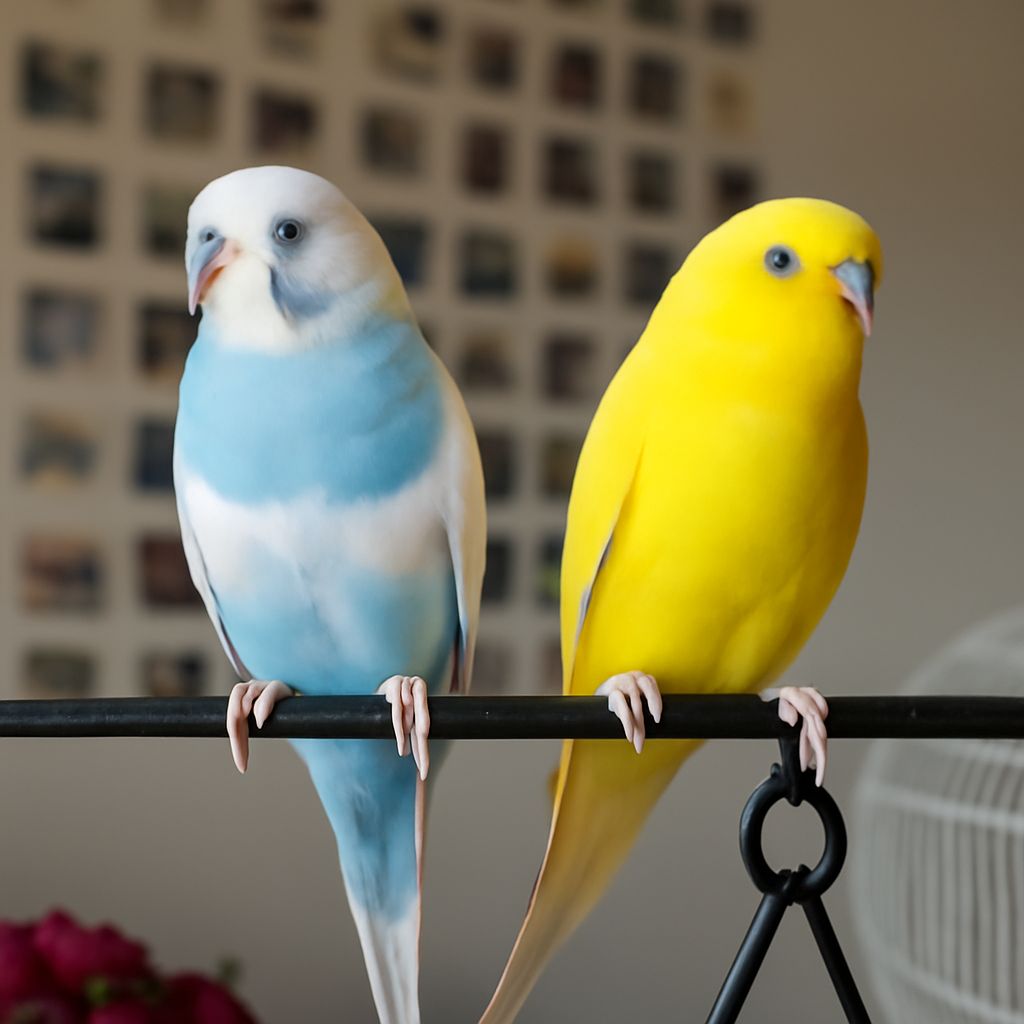
Budgerigars, commonly called parakeets, are the most widely kept pet birds in the world for practical reasons. They are small, relatively quiet, eat simple diets of pellets and fresh vegetables, and bond well with owners who handle them daily. A well-socialized budgie can learn to step up reliably, mimic speech, and entertain itself with foraging toys. A pair of budgies kept together are less dependent on owner interaction but still benefit from daily enrichment.
Cockatiels are a step up in size and complexity but remain among the best pet birds for beginners willing to invest a bit more time. They whistle rather than screech, learn tunes quickly, and are affectionate with consistent handling. Cockatiels are common bird pets in families with children because they tend to be gentle and resilient.
Lovebirds are another option in the starter category, though they need a companion bird or very frequent human interaction to avoid behavioral problems. A single lovebird bonded to its owner can be entertaining and active. Two lovebirds often bond primarily to each other, reducing owner interaction but improving bird welfare.
Housing and Diet Basics
Cage size matters more than most new owners expect. A budgie needs a cage at least 18 inches wide, 18 inches deep, and 24 inches tall, with bar spacing no wider than half an inch. Cockatiels need proportionally larger housing. Horizontal bars on at least two sides allow climbing, which is exercise for birds. Place the cage in a room where the family spends time, away from drafts, kitchens (where cooking fumes are toxic to birds), and direct sun exposure for most of the day.
Seed-only diets cause nutritional deficiencies in common bird pets. A quality pellet should make up 60 to 70 percent of the diet, supplemented with fresh vegetables, some fruit, and occasional cooked grain. Consult an avian veterinarian for a species-specific diet plan, especially in the first year of ownership.
Key Takeaways
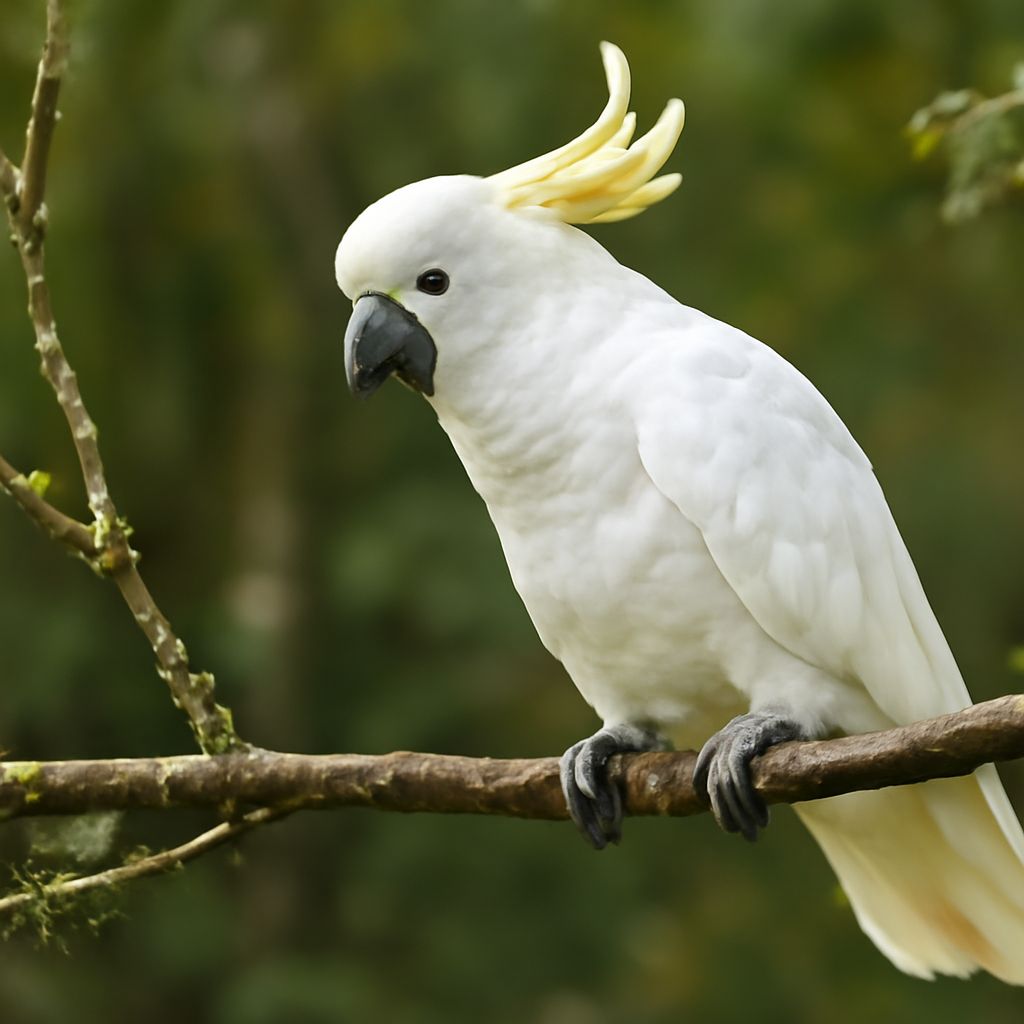
Popular pet birds like macaws and cockatoos attract attention, but budgerigars and cockatiels are the most practical starting point for a first-time bird owner. Set up the enclosure fully before the bird arrives, commit to daily interaction, and schedule an avian vet visit within the first week. Birds hide illness well, so proactive checkups catch problems before they become serious.