A common misconception is that a dog with a warm nose or slightly elevated temperature automatically needs emergency care. Dog fever treatment at home is appropriate in many situations, particularly when the fever is mild and the dog is otherwise alert and drinking water. That said, dog fever treatment is not a one-size-fits-all process. The right response depends on how high the temperature is, how long it has lasted, and what else is going on with the dog.
Knowing what to give dog for fever correctly means understanding that human medications like acetaminophen and ibuprofen are toxic to dogs. What to give a dog for fever is a question that has a short answer: never human NSAIDs, and always consult a vet before giving any medication. Dog fever temp starts at 103°F (39.4°C). Anything at or above 104°F (40°C) warrants prompt veterinary contact.
How to Take Your Dog’s Temperature Accurately
Rectal vs. Ear Thermometers
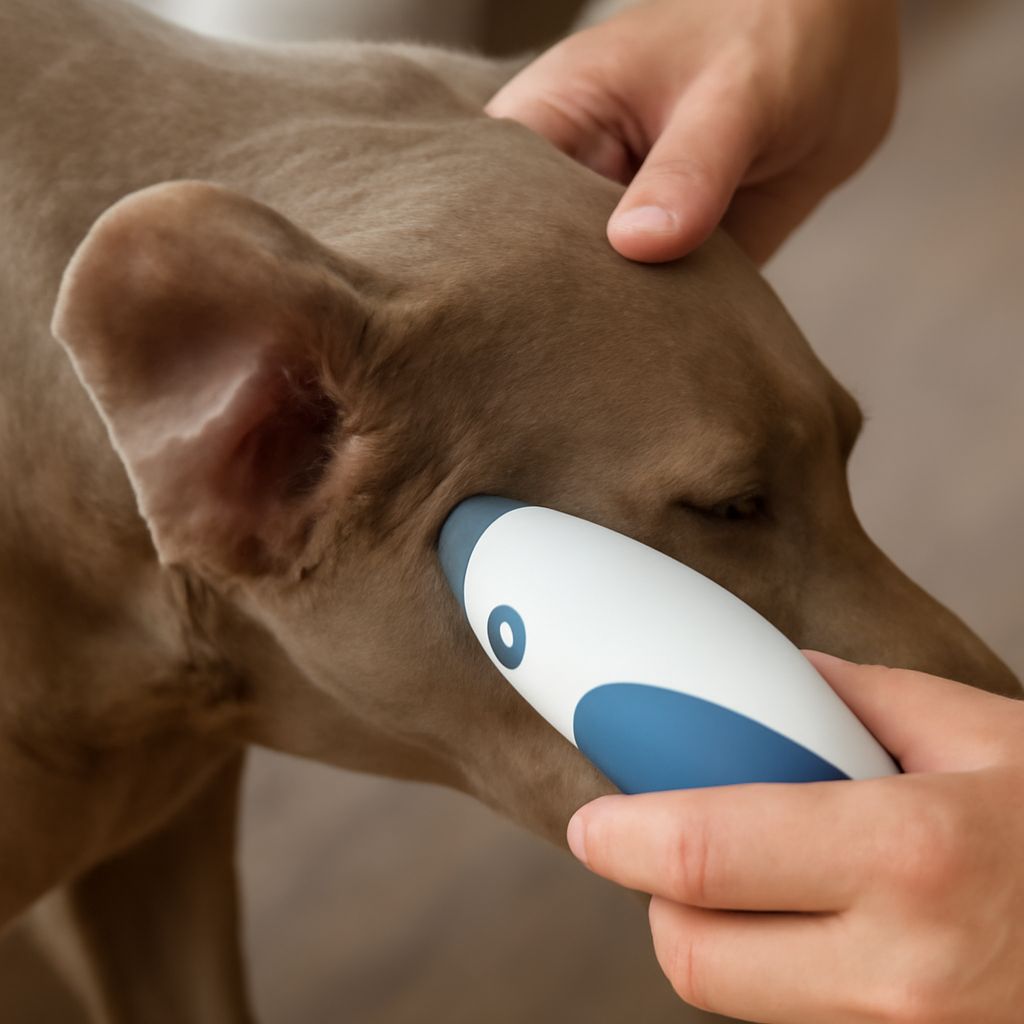
A rectal thermometer gives the most reliable reading for a dog. Use a digital thermometer with a flexible tip, lubricate it lightly, and insert it about one inch. Normal dog fever temp range is 101°F to 102.5°F (38.3°C to 39.2°C). Ear thermometers designed for pets are more convenient but less accurate, particularly in dogs with narrow or hairy ear canals.
Signs That Confirm a Fever Without a Thermometer
If a thermometer isn’t available, look for a combination of: warm ears and paws, shivering, loss of appetite, lethargy, and nasal discharge. These signs together suggest elevated temperature. A thermometer reading remains the only way to confirm the actual dog fever temp.
Safe Home Care for Mild Fevers
For fevers between 103°F and 103.5°F in dogs that are still drinking, cooling measures are appropriate. Apply cool (not cold) water to the paw pads and groin area using a damp cloth. Do not use ice or very cold water, as rapid cooling can cause blood vessel constriction and make the problem worse.
Encourage water intake. Mild broth with no onion or garlic can help a dog that won’t drink. Place the dog in a cool room with good airflow. Monitor the temperature every 30 minutes and stop cooling efforts once it drops below 103°F.
Dog fever treatment at home is appropriate only for mild, short-duration fevers with no additional symptoms. Fevers above 104°F, or any fever that doesn’t respond to cooling within an hour, require a veterinary visit. A dog with a fever and vomiting, difficulty breathing, seizures, or obvious pain needs emergency care.
What to Give a Dog for Fever: Medication Facts
There is no over-the-counter medication approved for dogs to reduce fever that is also safe for home use without veterinary guidance. Aspirin can be used in some adult dogs under vet supervision, but the dosing margin is narrow and it carries significant gastrointestinal risk. Never give acetaminophen or ibuprofen. These drugs cause severe organ damage in dogs, sometimes within hours.
If a vet prescribes an anti-inflammatory or antipyretic, follow the instructions exactly. Do not adjust the dose based on the dog’s response.
Bottom line: Mild fevers in dogs can be managed at home with cooling and hydration, but only when the temperature is below 104°F and the dog shows no other worrying symptoms. Always call a vet before giving any medication, and treat fevers above 104°F as a medical situation requiring professional evaluation.