A dog wound can range from a minor scrape that heals without intervention to a deep puncture requiring immediate veterinary attention. How to treat a puncture wound on a dog at home is a question owners ask frequently, but the honest answer is that puncture wounds specifically carry a higher infection risk than surface cuts and should be evaluated by a veterinarian in most cases. Does my dog need stitches is the follow-up question that separates wounds you can manage at home from those that need professional closure. Home remedies for dog wounds have a legitimate place for minor injuries, but they do not substitute for veterinary care when infection is present or tissue damage is significant. How to clean an infected wound on a dog is a practical skill, though a wound that is already infected needs antibiotic treatment alongside cleaning.
Most dogs sustain minor skin injuries through outdoor activity. Prompt first aid, correct wound assessment, and timely veterinary consultation when warranted give injuries the best chance of healing without complication.
First Aid for Minor Dog Wounds
Cleaning a Fresh Wound Clip the hair around the wound with blunt-tipped scissors to prevent contamination and improve visibility. Flush the wound with saline or clean running water for two to three minutes to remove debris. A large syringe without a needle, pressurized to deliver a steady stream, clears debris from wound edges more effectively than dabbing with cotton. Apply a thin layer of veterinary antiseptic gel if available, then cover with a non-stick bandage pad and light gauze wrap. Change the dressing daily.
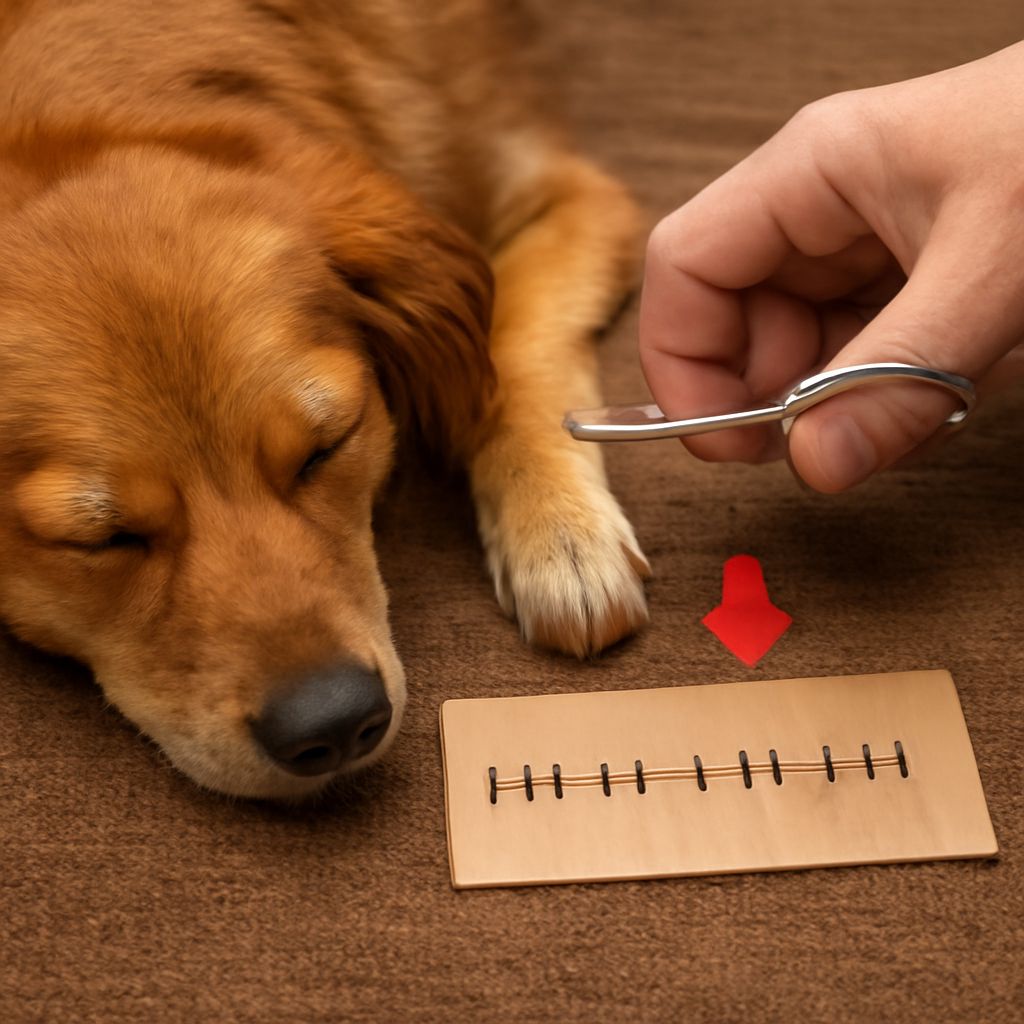
Recognizing a Wound That Needs More Than First Aid Puncture wounds from animal bites, nails, or sticks introduce bacteria deep into tissue where surface cleaning cannot reach. Does my dog need stitches depends on wound length, depth, and location. Wounds longer than half an inch, wounds near joints or the eye, wounds that gape open, or any bite wound should be seen by a veterinarian. The vet may debride the wound, flush it with irrigation under pressure, place a drain if abscess is likely, and prescribe antibiotics.
Home Remedies for Dog Wounds
Dilute chlorhexidine solution at 0.05 percent concentration is the most effective safe antiseptic for home wound care and is far better than hydrogen peroxide, which damages tissue and slows healing. Honey, specifically medical-grade manuka honey, has documented antimicrobial properties and works well on minor abrasions and superficial cuts. Plain petroleum jelly keeps wound edges moist and prevents scab formation that traps bacteria. These home remedies support healing in minor injuries but do not treat infection once bacteria have established themselves in tissue.
How to Clean an Infected Dog Wound
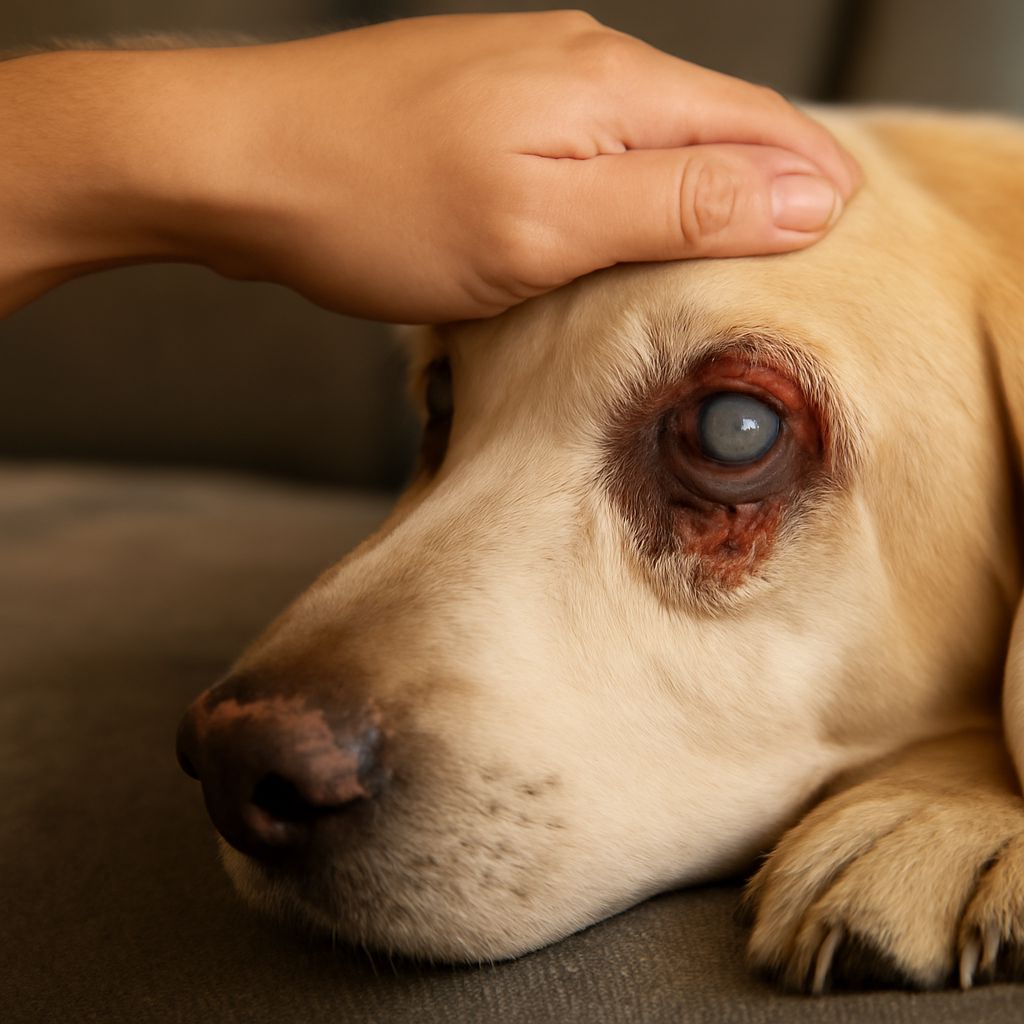
Signs of infection include increasing redness extending beyond the wound margin, warmth, swelling, discharge that is yellow or green, and odor. A dog with an infected wound needs veterinary diagnosis and systemic antibiotics in most cases. At home, keep the wound area clean with dilute chlorhexidine twice daily while awaiting or continuing veterinary treatment. Prevent the dog from licking the wound with an e-collar or protective sleeve. Licking introduces oral bacteria and delays healing significantly.
A veterinarian should also assess any wound that does not show clear improvement within 48 hours of home care, any wound in a diabetic or immunocompromised dog, and any wound near the eye, ear, or paw joint.
Key takeaways: Minor dog wounds respond well to saline flushing, dilute chlorhexidine cleaning, and daily dressing changes. Puncture wounds, bite wounds, infected wounds, and wounds that gape or are near joints need veterinary evaluation rather than home management alone. Early professional assessment prevents small injuries from becoming serious infections.